



Prostate Cancer
Latest News
Advertisement
Latest Videos








CME Content


Advertisement
More News

A preliminary study of the use of salvage lymph node dissection in patients with nonmetastatic, castration-resistant prostate cancer indicates the potential to delay disease recurrence as well as the use of systemic therapies through this approach.

A new study suggests that prostate-specific membrane antigen positron emission tomography/computed tomography may be a highly beneficial tool for initial staging of high-risk and high-intermediate-risk prostate cancer.

Researchers say the use of apalutamide (Erleada) in patients with high-risk, nonmetastatic castration-resistant prostate cancer improves metastasis-free survival in patients who have previously undergone radical prostatectomy or external radiotherapy-regardless of the type of treatment they received.

"The last several years have been particularly exciting in the area of metastatic castrate-resistant prostate cancer," writes J. Brantley Thrasher, MD.

Analyses of data collected in PROCEED, a large real-world registry, corroborate phase III study findings demonstrating that sipuleucel-T (Provenge) treatment for metastatic castrate-resistant prostate cancer has a particular benefit for improving overall survival in African-American men.
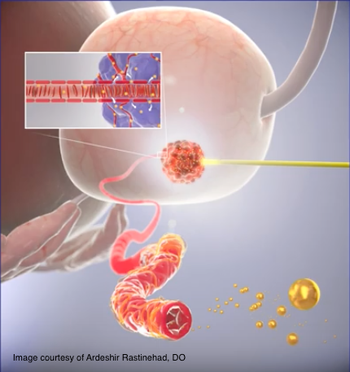
A new technique using gold-silica nanoparticles to perform ultrafocal photothermal ablation of prostate cancer tumors seems feasible, safe, and relatively free of serious complications for men with low- or intermediate-risk localized prostate cancer.

New evidence supports using hormone therapy with salvage radiation therapy after radical prostatectomy, according to a recent amendment to the American Society for Radiation Oncology/AUA joint clinical guideline on adjuvant and salvage radiotherapy after prostatectomy.
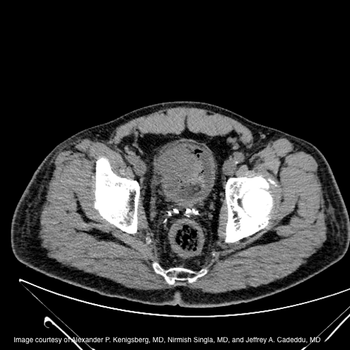
A 63-year-old African-American male presents to the emergency department with sudden onset of painless gross hematuria for one day. He reports dark red urine with clots causing occasional dysuria, difficulty emptying, and light-headedness.

Patients with CVD taking abiraterone or enzalutamide have a 43% higher risk of hospitalization, according to a recent study.

A survey of low-risk prostate cancer patients found men who choose active surveillance over definitive treatment have similar mental health outcomes.

Analyses based on number needed to treat benefit show that the overall survival benefit is similar when using abiraterone acetate (ZYTIGA), enzalutamide (XTANDI), or sipuleucel-T (Provenge) to treat men with chemotherapy-naïve metastatic castration-resistant prostate cancer. The data, however, favor sipuleucel-T for having the lowest direct cost.

Do you feel that DRE is still a relevant tool in the management of prostate cancer? Take our latest poll and let us know.

Mark Frydenberg, MD, of Australia's Monash University, discusses whether multiparametric MRI is ready to be used as a screening modality for prostate cancer.

In this interview, Mark Frydenberg, MD, discusses the evolution of PET scanning, its clinical indications, its advantages and drawbacks, and key questions that remain about its use.

"While much work is still to be done, we have excellent evidence that there is a beneficial class-like effect for the androgen inhibitors enzalutamide, apalutamide, and darolutamide used within the current definition of men with M0 CPRPC," write Michael Cookson, MD, and Tony Rodriguez, MD.

The magnetic resonance imaging pathway is the most accurate diagnostic strategy for detecting clinically significant prostate cancer, according to a recent literature review.

Researchers have identified a urine biomarker that noninvasively helps detect aggressive prostate cancer about as accurately as tissue-based prognostic markers, according to a recent study.

Neoadjuvant chemohormonal therapy warrants consideration in the management of men undergoing radical prostatectomy for clinically localized high-risk prostate cancer, said James Eastham, MD, at the American Society of Clinical Oncology annual meeting in Chicago.

Results of a phase III trial show the benefit of darolutamide (Nubeqa) in reducing the risk of metastases or death compared with placebo in men with nonmetastatic castration-resistant prostate cancer.

Race does not affect oncologic response to treatment with docetaxel (Taxotere)/prednisone in men with metastatic castrate-resistant prostate cancer, according to research presented at the American Society of Clinical Oncology annual meeting in Chicago.

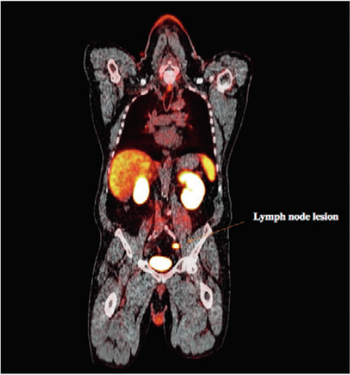
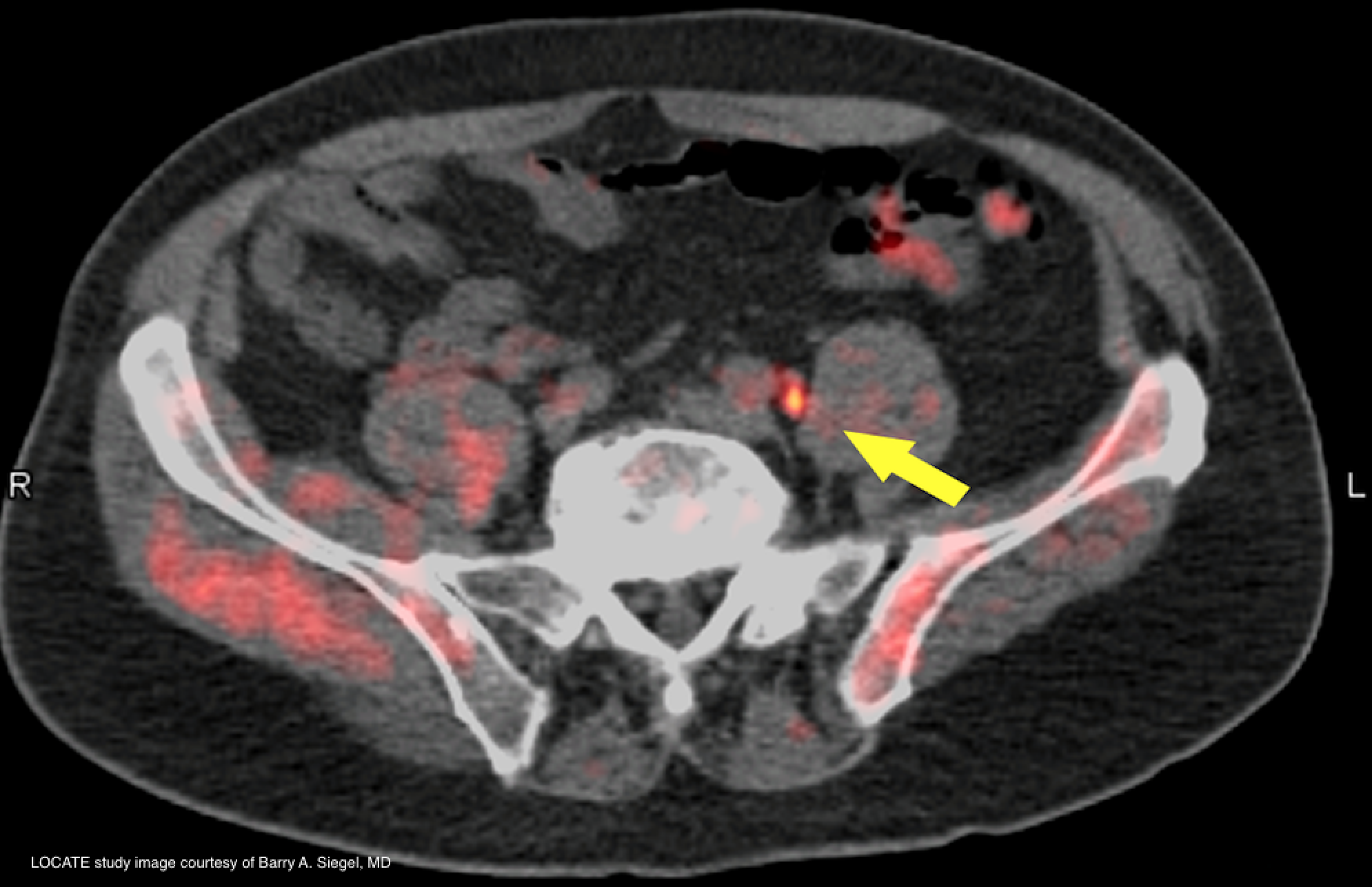
18F-DCFPyL PET/CT imaging demonstrated excellent performance in identifying regional or distant metastases in men with prostate cancer in the prospective OSPREY study.

A pivotal phase II trial of a novel MRI-guided ultrasound ablation treatment exceeded its primary efficacy endpoint of PSA decline in men with organ-confined prostate cancer.

These six questions are meant to test your knowledge of the updates to the AUA's treatment guideline for castration-resistant prostate cancer.

"This report brings to light an often-suspected but previously undocumented clinical issue in great and alarming detail," says Badar M. Mian, MD.
Advertisement
Advertisement
Trending on Urology Times
1
FDA approves sildenafil oral film for men with erectile dysfunction
2
The UroOnc Minute: Adjuvant Therapy in Renal Cell Carcinoma, with Brian Shuch, MD
3
Integration of doublet and triplet therapy in metastatic prostate cancer
4
URO-1 prostate biopsy devices adopted across Novant Health System as clinical study continues
5