

John A. Taylor, III, MD, MS, discussed the new wealth of options in non–muscle invasive bladder cancer, specifically highlighting detalimogene voraplasmid.
John A. Taylor, III, MD, MS, discussed the new wealth of options in non–muscle invasive bladder cancer, specifically highlighting detalimogene voraplasmid.
"Viral vectors are basically a blueprint of the virus that's used to carry the DNA payload into the target tissue, but the problem is they have some issues," says Katherine Chan, MD, MPH.

"At the end of the day, it's going to be unlikely that we're going to use a single therapy for all of our patients," says Vignesh T. Packiam, MD.

Anne K. Schuckman, MD, describes the growing number of options in NMIBC and the impact of these therapies on clinical practice.

Vignesh T. Packiam, MD, outlines the mechanism of action for detalimogene voraplasmid as well as its potential benefits in terms of storage and dosing.

Katherine Chan, MD, MPH, details the design of the pivotal phase 1/2 LEGEND trial, assessing the safety and efficacy of detalimogene voraplasmid in NMIBC.
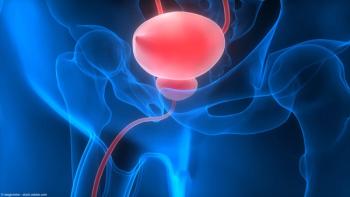
Take a look through the novel agents that are set to further redefine the treatment landscape for high-risk BCG-unresponsive NMIBC.

Rian J. Dickstein, MD, provides an overview of detalimogene voraplasmid, currently being evaluated for the treatment of non–muscle invasive bladder cancer.

The LEGEND trial is evaluating detalimogene voraplasmid in patients with high-risk non–muscle invasive bladder cancer.

Shreyas S. Joshi, MD, MPH, discusses some of the key considerations for new agents entering the treatment landscape for BCG-unresponsive NMIBC.

Preliminary data from the study are promising.
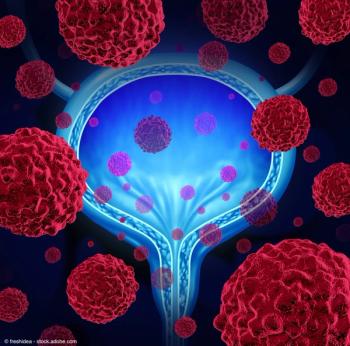
Explore the evolving landscape of non-muscle invasive bladder cancer treatments, focusing on the promising gene therapy detalimogene voraplasmid and its trial results.