What role will stem cells play in male infertility?
The use of stem cells to treat otherwise incurable or serious human disease remains a political "hot potato." One must remember, however, that the sources of embryonic and adult stem cells are distinctly different. The use of adult stem cells avoids all of the ethical and political criticism associated with the former's fetal etiology. While not totipotential, adult stem cells still have the advantage of prolonged proliferation, self-renewal, generation of more differentiated cells, maintenance of developmental potential, and proliferation in response to injury.
Engy Habashy, MD, discusses key takeaways from the 2025 AUA GSM guideline, including the role of androgens and hormonal therapies in managing genitourinary syndrome of menopause.
The phase 1/2 CELC-G-201 study found preliminary antitumor activity and manageable toxicity with gedatolisib plus darolutamide in metastatic castration-resistant prostate cancer.
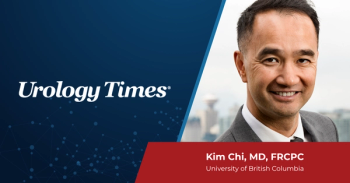
Kim Chi, MD, FRCPC, discusses the rationale and design of the phase 3 KLK2-comPAS trial evaluating pasritamig alone and in combination with JNJ-9401 in patients with mCRPC.
Chad R. Ritch, MD, MBA, FACS, discusses how PSMA-PET informs staging, treatment planning, recurrence workup, and the interpretation of equivocal findings.
Michael S. Cookson, MD, MMHC, FACS, discusses how Anktiva’s expanded FDA approval may broaden bladder-preserving treatment options for BCG-unresponsive papillary-only NMIBC.