

“The question of who is a candidate for active surveillance is hard to answer because this is a bedside, gut decision," says Primo Nery Lara, Jr, MD.
“The question of who is a candidate for active surveillance is hard to answer because this is a bedside, gut decision," says Primo Nery Lara, Jr, MD.
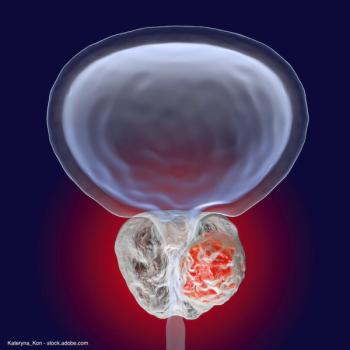
“Darolutamide improved overall survival despite a high rate of subsequent life prolonging systemic therapies in the placebo group,” said Matthew R. Smith, MD, PhD, lead author of the phase 3 ARASENS trial.
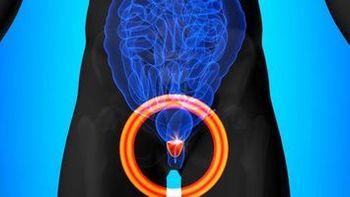
“Patients with intermediate-risk prostate cancer we know benefit from both escalation of radiotherapy dose as well as from the addition of androgen suppression. Technically, we still don’t know if we need both,” said Daniel Krauss, MD.

Episodic memory by computerized cognitive assessment was significantly improved in patients who received darolutamide compared with those treated with enzalutamide.
Data presented during the 2021 ASCO Annual meeting showed that fewer patients in the lenvatinib/everolimus arm were treated with subsequent anticancer treatments compared with patients in the sunitinib arm.

The health-related quality of life data come from the phase 3 CLEAR trial. The FDA is currently reviewing efficacy data from this trial supporting an application for pembrolizumab plus lenvatinib in frontline renal cell carcinoma.

The agency made the designation on the basis of recently reported data from the phase 3 CheckMate 274 trial that found a statistically significant improvement in disease-free survival in patients treated with the PD-1 inhibitor.
The vaccine was examined in a trial of patients with metastatic castration-resistant prostate cancer who were not responding to available therapies.

The genetic alterations in circulating tumor cells were linked to response or resistance to abiraterone acetate and enzalutamide.

The treatment paradigm in upper tract urothelial carcinoma (UTUC) is rapidly evolving, particularly with the FDA approving mitomycin gel (Jelmyto) as the first therapy to treat low-grade UTUC.
With several immunotherapy-based combinations now available in frontline RCC, new options are needed for patients who progress.