
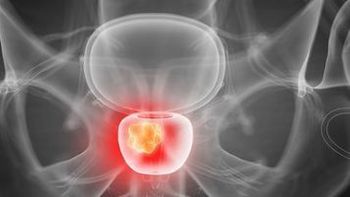
“This confirms the potential of PSMA PET to distinguish between risk groups for MFS,” said Dr. Christoph Würnschimmel.
“This confirms the potential of PSMA PET to distinguish between risk groups for MFS,” said Dr. Christoph Würnschimmel.
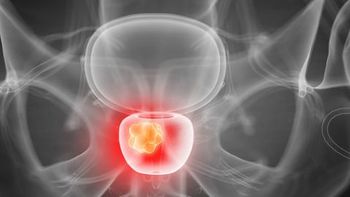
Response and survival rates with the immunotherapy-based regimen support ongoing phase 3 research with pembrolizumab in prostate cancer.

Holmium laser lithotripsy with Moses 2.0 is intended to enhance precision and versatility by optimizing laser energy transmission.

A subgroup analysis of the pivotal phase 3 ARAMIS trial showed that the efficacy of darolutamide was sustained in patients with a rapid PSA double time.

Minimally invasive water vapor thermal therapy offers rapid improvements in LUTS, QoL, and flow rate that remain durable to 5 years in patients with lower urinary tract symptoms due to benign prostatic hyperplasia.

Super-pulsed thulium fiber laser (TFL) has greater efficiency than a holmium:YAG laser, even when using the TFL with a smaller core-diameter fiber, according to preclinical findings.

The machine learning algorithm incorporates readily available clinical information.

Mediterranean diet score was modestly associated with time to grade group progression.

“Our findings suggest that genomic score and PSA density are risk factors for upgrading within 3 years of commencing active surveillance,” the investigators wrote.

A study author said that “the long exposure [to immune checkpoint inhibitor therapy] results in challenging surgery.”

Intravesical Oncofid P-B, a conjugate of paclitaxel and hyaluronic acid, is active in patients with carcinoma in situ of the bladder that is not responsive to bacillus Calmette-Guérin.

Given the efficacy and safety demonstrated, there may be a role going forward for the pembrolizumab/nab-paclitaxel combination in earlier disease stages.

Treatment with litoxetine, an investigational oral selective serotonin reuptake inhibitor, led to nearly 22% of patients becoming continent.

Referring physicians implemented PSMA PET–based treatment changes in 72% of patients.

The study compared the 2 procedures over 24 months of follow-up.
Retreatment rates were low with both aquablation and transurethral resection of the prostate.
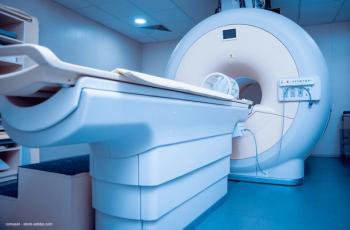
Cancers that are missed by mpMRI are significantly smaller and less aggressive than those that are detected.

In patients with prior exposure to PDE5 inhibitors, increasing the number of sessions of low-intensity shockwave therapy was associated with improving outcomes.

The EUPROMS patient-driven quality-of-life study included data from almost 3000 men treated for prostate cancer.

Steroid sulfatase inhibition showed early activity as a precision option in castrate-resistant prostate cancer, including the potential to enhance response to enzalutamide.