

The phase 1 study is set to begin later this year.
The phase 1 study is set to begin later this year.
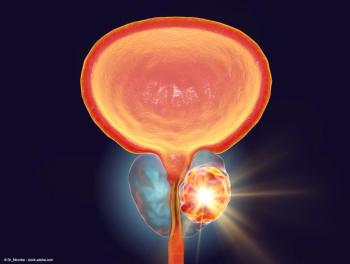
The approval is supported by data from the pivotal phase 3 ARANOTE trial.
The approval is supported by several studies highlighting the efficacy of Rezūm Water Vapor Therapy in patients with larger prostates.

The conversation covers practical, case-based strategies for counseling MSM patients.

"Overall, these findings add to the growing body of evidence that [shows that] apalutamide may offer a survival advantage in real-world setting in patients with metastatic castration-sensitive prostate cancer," says Mehmet A. Bilen, MD.
The IDeate-Prostate01 trial plans to enroll approximately 1440 patients whose tumors progressed following prior treatment with an ARPI.
The approval is supported by landmark results from the pivotal phase 2 SANS-UUI trial.

"Estimate how much you will need to spend each year during various stages of retirement," advises Ronald J. Paprocki, JD, CFP, CHBC.

ArteraAI is a multimodal artificial intelligence biomarker test that can predict therapy benefit and prognosticate long-term outcomes in prostate cancer.
Pfizer has chosen to no longer pursue an expanded indication for talazoparib plus enzalutamide in non-HRR gene mutated mCRPC in the US as a result of this decision.

The bkActiv S series is designed to guide nonsurgical urologic, colorectal, and pelvic floor procedures.

"We believe the confusion comes from the typical lexicon surgeons use when performing surgeries, rather than the actual code descriptor and the procedure performed," write Jonathan Rubenstein, MD, and Mark Painter.

Anne K. Schuckman, MD, describes the growing number of options in NMIBC and the impact of these therapies on clinical practice.
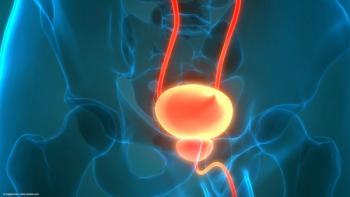
The CHAI biomarker was shown to outperform EAU and AUA stratifications.

"Osteopathic urologists were more likely to work in private practice (58.4% vs 49.8%; P = .038) and in rural/nonmetropolitan areas (16.2% vs 8.7%; P = .002)," write the authors.
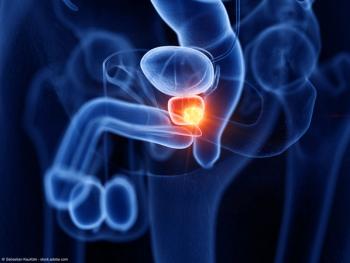
The results from the SABRE trial are intended to support the design of a registrational trial of 64Cu-SAR-Bombesin.

Benjamin M. Brucker, MD, discusses best practices for the onabotulinumtoxinA procedure, spanning all phases of treatment—before, during, and after administration.
The approval is supported by findings from the phase 3 ENVISION trial.
"I'm excited to see how these models are going to continue to be developed and applied in clinical practice, because precision medicine is here, and I’m looking forward to it," says Madhur Nayan, MD, PhD.
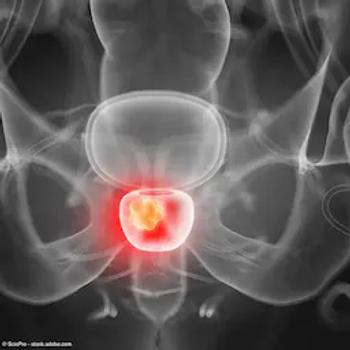
Gozellix was approved by the FDA in March 2025.
However, this regimen was associated with substantial toxicity, so careful patient selection is paramount, according to the authors.
The objectives of the trial are to further confirm the recommended phase 2 dose and to assess the efficacy of MVR-T3011.
The NDA is supported by a pivotal phase 3 trial of zoliflodacin vs ceftriaxone plus azithromycin in patients with uncomplicated gonorrhea.

The regimen showed activity regardless of the prior immunotherapy-based combination used in the first-line setting.
"As urologists, we are the gatekeepers, and we must always perform the best possible surgery to optimize oncological outcomes," writes Jeremy Teoh, MBBS, FRCSEd (Urol), FCSHK, FHKAM (Surgery).
In preclinical studies, ACE-232 demonstrated superior potency, efficacy, and pharmacokinetic properties compared with other CYP11A1 inhibitors.

The Cancer BioShield platform is being assessed as a treatment for lymphopenia in adult patients with refractory or relapsed solid tumors, including genitourinary tumors.
"As clinicians, researchers, and advocates, this moment invites us to reflect on how far we’ve come—and how much further we must go," writes Michael S. Cookson, MD, MMHC, FACS.
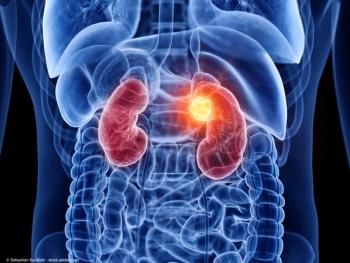
Data from the #HOPE4KIDNEY trial is intended to support submission for regulatory clearance of the Edison Histotripsy System.
Data showed that Non-Hispanic Black and Latinx/Hispanic patients were less likely to receive PSMA-PET imaging than non-Hispanic White patients.