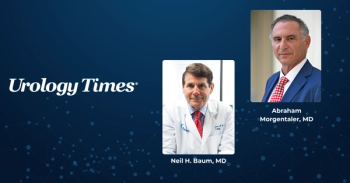
Abraham Morgentaler, MD, reviews evidence showing no association between testosterone therapy and prostate cancer risk and explains the saturation model of androgen action.

Nicholas Deebel, MD, shared key takeaways from a recent review outlining the current evidence on post-vasectomy pain syndrome.
In a recent interview with Urology Times®, Nicholas Deebel, MD, shared key takeaways from a recent review outlining the current evidence on post-vasectomy pain syndrome (PVPS).1 Specifically, he touched on the current management strategies for PVPS as well as the importance of integrating psychosocial support into routine care.
“We know from the literature that about 1% of patients receiving a vasectomy will have some degree of chronic discomfort or pain. It is incredibly rare,” Deebel noted. “That being said, the key consideration is does this discomfort affect the patients’ quality of life?”
Deebel is an andrology fellow at Northwestern Medicine in Chicago, Illinois.
During the discussion, Deebel emphasized the need for a shared-decision making approach when deciding how to best manage patients. The treatment pathway begins with conservative therapy, and the decision to move to other options is made in coordination with what the patient is experiencing.
Deebel also explained the relevance of using a biopsychosocial model and integrating other care specialists when assessing patients, in alignment with AUA guidelines.
“A large part of this process is de-stigmatizing this condition, PVPS, for the patient and recognizing with them that this does happen, they’re not alone, and we have an alternative health care professional team such as psychiatrists, sexual health counselors, and pelvic floor psychical therapists who can greatly help these patients,” he concluded.
REFERENCE
1. Moreland H, Snipes M, Tranchina S, et al. Post-vasectomy pain syndrome: prevention and management utilizing current evidence and clinical pearls. Int J Impot Res. 2025. doi:10.1038/s41443-025-01196-2