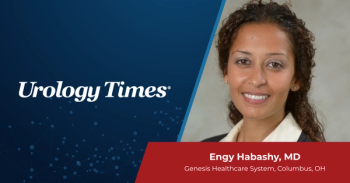
Engy Habashy, MD, discusses key takeaways from the 2025 AUA GSM guideline, including the role of androgens and hormonal therapies in managing genitourinary syndrome of menopause.
Urology practices are standing at a crossroads. The pressures shaping today’s healthcare environment – from the surge of biosimilars to shifting payer strategies and evolving regulatory demands – are rewriting the rules for how specialty care is delivered. What once felt like incremental change now resembles a steady drumbeat of new requirements, new products, and new expectations that touch every part of a practice’s clinical and operational life.
Across conversations with leaders in the field, including recent discussions sponsored by Cencora, one theme keeps rising to the surface: complexity is no longer a challenge to manage, but a landscape to navigate with intention. Practices that once relied on stable reimbursement patterns, predictable formularies, and familiar workflows are now adapting to a market defined by variability, competition, and constant evolution.
This moment is reshaping how urology practices think about care delivery, financial stability, and long-term strategy. And several trends are driving that shift – beginning with patient access.
Expanding patient experience and access to care
As treatment options expand, patient education and engagement are becoming increasingly important. Patients often face complex treatment decisions involving biologics, biosimilars, oral therapies, and emerging advanced therapeutics. Clear communication and education help patients understand their options, improves confidence in treatment plans, and can reduce delays in therapy initiation.
Financial barriers also remain a significant concern. Practices that connect patients with copay assistance programs, reimbursement support services, and medication access resources are often better positioned to support adherence and continuity of care. By combining clinical excellence with a patient-centered approach, practices can strengthen outcomes while building trust and satisfaction throughout the care journey.
Strengthening operational infrastructure
As more therapies become available, the operational backbone of a practice becomes even more important. Many practices are turning to centralized inventory management systems to unify ordering, oversight, and billing workflows. These platforms reduce administrative burden, improve visibility, and integrate with practice management systems and EMRs to give providers a clearer picture of what they’re administering, how it aligns with patient history, and where discrepancies may exist.
Urology practices should consider inventory management platforms that can track and manage high-value biologics and biosimilars, streamline procurement, reduce carrying costs, and maintain visibility across multiple locations. Cencora’s Nucleus® simplifies reporting while helping practices identify cost savings, track unused inventory and uncover unaccounted stock.
Infusion management is another area of growing complexity. Practices benefit from tools that simplify regimen selection, scheduling, and charting, while embedding clinical decision support to reduce the risk of dosing errors. Cencora’s IntelliDoseTxM® integrates workflows that connect infusion documentation directly to inventory and billing systems to help create a more reliable record of what was given, why it was given, and how it should be billed – an essential safeguard in a high-risk, high-complexity environment.
Achieving financial clarity
Financial clarity is essential for today’s urology practices. Business intelligence platforms can bring visibility into financial performance by combining practice management data with Medicare claims, inventory dispenses, census information, GPO rebate data and relative value units (RVUs). Further, a reporting engine that helps practices understand how they are performing internally against their peers can provide invaluable benchmarking data.
Beyond measuring financial performance, Cencora’s InfoDive® provides advanced analytics to help practices make more informed strategic decisions. Data-driven insights can identify trends in referral patterns, treatment utilization, patient retention, site-of-care shifts, and reimbursement performance. These insights enable leaders to proactively address operational challenges before they affect revenue or patient care.
Predictive analytics may also help practices anticipate inventory needs, evaluate the financial impact of new therapeutics, and model the potential effects of changing payer policies. As specialty care grows more complex, access to actionable data becomes a competitive advantage that supports both clinical and business decision-making
Managing regulatory requirements
Regulatory reporting remains a persistent challenge, especially as program requirements evolve and staff turnover threatens institutional knowledge. As a result, many practices are choosing to outsource MIPS reporting requirements to a team of dedicated experts who monitor annual updates, optimize measure performance, and help avoid penalties that can significantly impact revenue. By replacing the need for a single internal specialist with year-round support, practices reduce administrative burden and gain confidence that their reporting is accurate, timely, and aligned with the current requirements.
Advocacy also plays a critical role in sustaining community-based urology. As legislative agendas shift at both the federal and state levels, independent practices benefit from representation that helps protect reimbursement, access, and long-term viability. Policy engagement ensures that the realities of community urology are reflected in discussions that shape the future of specialty care.
Expanding dispensing capabilities
As medically integrated dispensing (MID) programs continue to expand within urology, practices increasingly need support evaluating whether a program aligns with their clinical and business objectives, as well as understanding the key steps to build and sustain a successful program that strengthens continuity of care. Support often includes evaluating prescription patterns and reimbursement potential, designing efficient workflows, preparing for accreditation and audit requirements, and continuously optimizing program performance. With clearer insight into capture rates, limited-distribution products, and reimbursement trends, practices can retain more prescriptions in-house while improving patient experience.
Maximizing value through GPO membership
Becoming a member in GPO can also help practices gain access to special contracting prices, technology implementation support, educational opportunities, and a dedicated team that manages contracts year-round. GPO members also benefit from real-time analytics to help evaluate contract economics, anticipate quarterly shifts, and determine whether switching products makes financial sense. Further, advanced ROI modeling supports decisions around specific drugs, providing deeper insights into purchasing decisions.
Building a biosimilar strategy
As practices strengthen dispensing and contracting strategies, another area of rapid evolution is the expanding biosimilar landscape.
Biosimilars are one of the fastest-growing segments in specialty healthcare. Since the first approval in 2015, they have generated millions in savings and expanded patient access to essential therapies. Biosimilars offer meaningful advantages for patients, providers and the healthcare system, including more choice in treatment options, lower costs compared to reference biologics, improved patient access, and reduced likelihood of innovator price increases. Their integration across oncology, immunology, ophthalmology, endocrinology, and bone health underscores their growing relevance in urology, particularly as new products enter the market and payer expectations evolve.
Though biosimilars bring meaningful opportunities for urology treatment affordability and access, they also create new operational, financial, and communication considerations that practices must navigate carefully. These include payer mandates that vary by region, average sales price (ASP) erosion that can reshape reimbursement, and patients who may hesitate to switch from more familiar brands. Staff need clear, consistent messaging, Contracting requires a well-informed strategy. Inventory becomes more complex. And not every biosimilar launches with robust patient support programs.
As biosimilars proliferate, practices need comprehensive support to evaluate products, integrate them into workflows, and protect both patient continuity and financial stability. Partners with deep market expertise and advocacy experience can help:
Together, these capabilities help lower-cost therapies reach patients while strengthening practice performance.
Preparing for advanced therapeutics
As the theranostics and radiopharmaceuticals market expands within urology, practices will need competitive contracting, turnkey operational support, and education to prepare for this next era of care. From best-in-class GPO contracts on key PSMA imaging agents and therapeutics within the radioligand therapy space to accessing the most to comprehensive turnkey solutions in nuclear medicine and radiopharmaceuticals, the right strategic partner can help practices expand and thrive in this specialized field of medicine.
GPO organizations are helping practices adopt these modalities without capital investment, operational complexity, or financial risk – from establishing hot labs and enhancing clinical research to developing a theranostics program and integrating radiation oncology services in-house. As we look ahead to next year, Cencora will be building out education-driven opportunities, including web series, podcasts, and virtual meetings designed to further educate urology practices on this specialized offering.
Planning for long-term resilience
The urology market will only grow more complex – but within that complexity are opportunities to differentiate and thrive. To navigate this moment, urology practices need strategic support that strengthens performance and protects patient care. Success in this environment will require more than responding to change as it occurs. Leading practices are increasingly adopting a proactive mindset – evaluating new therapies before they reach the market, investing in scalable infrastructure, strengthening payer strategies, and building partnerships that provide specialized expertise.
Those that plan proactively, stay informed, and build operational flexibility while maintaining a clear focus on patient outcomes will be best positioned to not only keep pace with change – but to help to shape the future of urology care.
The specialty healthcare landscape is accelerating. Your support should too.
Cencora offers a comprehensive suite of solutions designed to strengthen practice performance, elevate clinical excellence, and help your urology practice navigate today’s evolving healthcare environment.
From streamlining operations to enhancing workflow reliability and supporting safer, more coordinated patient care, Cencora will equip your urology practice with the tools you need to succeed now and in the future.
Learn how Cencora can support your practice: Urology | Besse Medical