

“Treatment based on visualization of 18F-flotufolastat–avid lesions may facilitate optimal targeting of recurrence sites and avoid futile salvage therapy,” said Przemyslaw Twardowski, MD.
“Treatment based on visualization of 18F-flotufolastat–avid lesions may facilitate optimal targeting of recurrence sites and avoid futile salvage therapy,” said Przemyslaw Twardowski, MD.

PSMA uptake in the prostatic midline is often linked with urine stagnation in the prostatic urethra and can lead to misinterpretation on PSMA-PET/CT,” the authors wrote. “Using post-void MRIs may help reduce false positives.”

“Prostatic extracellular vesicles represent a promising biomarker with the potential for reduction of false positive rate in men with elevated PSA following mpMRI,” the authors wrote.
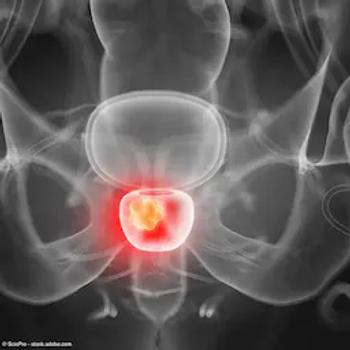
Validation testing suggested the combined model would prevent unnecessary systematic prostate biopsies in over 40% of study patients.

Clarius Bladder AI ultrasound software may have significant utility in acute care settings, urology clinics, and nursing homes.

Findings from the research showed that 68Ga-RM2 PET/MRI had an 85.2% sensitivity rate for diagnosing biochemical recurrence of prostate cancer.

Utilizing a deep learning-based AI algorithm to differentiate between diagnostic and non-diagnostic quality of prostate MRI facilitated a 10% higher specificity rate for diagnosing extraprostatic extension on multiparametric MRI, according to research presented at the 2023 RSNA Annual Meeting.

Researchers utilized the PI-QUAL scoring system to assess 355 mpMRI exams performed at 41 facilities in 18 countries.

Increased retrovesicourethral angle, decreased functional urethral length, and the presence of bladder funnel were pelvic floor parameters identified as potential predictors of stress urinary incontinence in the early postpartum period.

"The reported bpMRI-based AI model detected the majority of locally recurrent prostate cancer after radiotherapy," the authors wrote in their study conclusion.
“Implementation of the most recent PI-RADS update did not improve the incongruence in prostate cancer grade assessment between MRI/ultrasound fusion targeted biopsy and surgery,” the authors wrote.
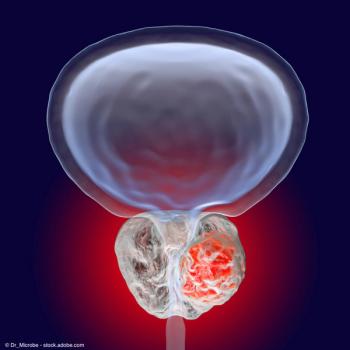
The incorporation of PSMA PET–imaging into a multivariate model enhanced the predictive accuracy for clinically significant prostate cancer in patients in the "PSA gray zone" of 4 to 10 ng/mL.
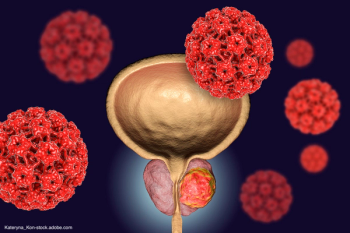
Use of non-contrast MRI also showed the potential to decrease identification of clinically insignificant disease.
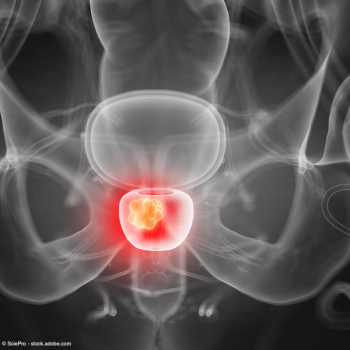
A recent study suggests that combined use of ultrasound and multiparametric MRI-targeted biopsy with systematic biopsy may be more effective for detecting clinically significant prostate cancers than using systematic biopsies alone

Even in the era of PSMA-PET imaging, whole-body low-dose computed tomography still offers value in the management of patients with prostate cancer, according to a study published in Insights into Imaging.

“These findings suggest that the technical advantages of precision of radiotherapy delivery afforded by MRg-A-SBRT translate to measurable clinical benefit,” wrote lead study author Jonathan E. Leeman, MD.
Analysis shows MRI is comparable to post-surgery pathologic staging for assessing risk of biochemical recurrence.

The AI model was accurate and effective in an independent test set, according to the study authors.
Pelvic lymph node involvement and polymetastases detected with PSMA-PET imaging were linked to significantly lower overall survival rates in patients initially diagnosed with non-metastatic, castration-resistant prostate based on conventional imaging.

Researchers examined the impact of deep learning–based AI software upon radiologists reviewing multiparametric MRI scans in the assessment of clinically significant prostate cancer.
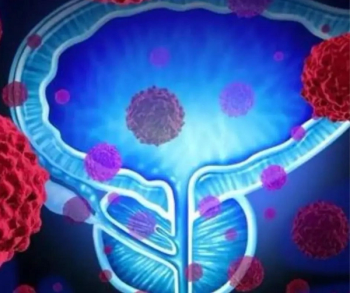
The deep learning software also showed no difference in the consistency of scoring with the Prostate Imaging-Reporting and Data System (PI-RADS).

“This study shows prostate artery embolization to be a safe and highly effective treatment whose long-term outcomes include sustained LUTS relief, significant improvement in quality of life and no change in erectile function,” according to Shivank Bhatia, MD.
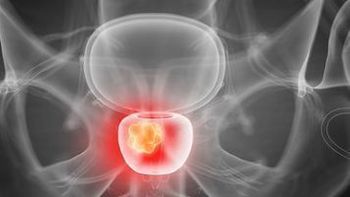
“Vertebral fragility fractures are often asymptomatic and overlooked but are known to decrease quality of life, and can also affect mortality,” the authors wrote.

Using MRI-directed targeted biopsy instead of systematic biopsy for screening and early detection in patients with an elevated PSA lowered the risk of overdiagnosis by half.

“I think this trial will pave the way for patients with high-risk prostate cancer to be treated in 5 weeks instead of 8 weeks," said Tamim M. Niazi, MD.

The study authors maintain there is no current evidence in the literature indicating that CT use is superior to other imaging modalities in reducing morbidity or improving outcomes in patients with urinary stone disease.
Results from the phase 3 MIRAGE trial showed lower rates of genitourinary and gastrointestinal side effects with MRI guidance vs CT guidance when treating patients with stereotactic body radiotherapy.
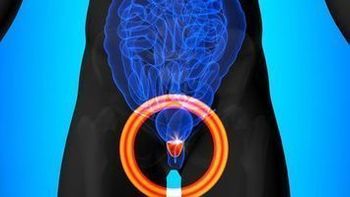
A recent study suggests that radiomics analysis based on 68Ga-PSMA-11 PET may non-invasively predict intraprostatic lesions in patients with prostate cancer.
The FDA has granted 510(k) clearance to an artificial intelligence software program that may enhance the efficiency and accuracy of prostate cancer diagnosis.
The rate of positive surgical margins was higher among patients who did not have a preoperative MRI.
