SMSNA 2024 abstract data show shockwave therapies and platelet-rich plasma, either alone or in combination, may be promising treatments for ED.
SMSNA 2024 abstract data show shockwave therapies and platelet-rich plasma, either alone or in combination, may be promising treatments for ED.

Data from a Mayo Clinic study show, despite some reports of discomfort and dissatisfaction, a majority of patients receiving penile prosthesis are satisfied 1 year in.
New research better defines the link between cardiovascular disease risk and prevalence of ED per serum ceramide levels.

Data from a new SMSNA 2024 abstract show an association between significantly high BMI and risk of azoospermia and oligospermia.
Tang discusses the limitations in available data, but nonetheless high potential, of SBRT in kidney cancer.
Data from the phase 3 BART trial shows adjuvant radiotherapy is notably safe for patients with MIBC following radical cystectomy and chemotherapy.

Pastuszak discusses the evolving nature of understanding how testosterone therapy post-radiation for prostate cancer may beneficial or harmful to patients, and how to navigate the decision.

Soumyajit Roy, MS, MBBS, explains how findings showing 5-year biochemical recurrence status may predict prostate cancer cure should alter the clinician-patient interaction.
Zaorsky discusses the patient safety misconceptions around radiotherapy for RCC, and considering patient-reported outcomes in future randomized controlled trials.

Findings from RAPTOR suggest 5-year biochemical recurrence may be a good indication of prostate cancer cure status.

Demogeot discusses his team's GETUG 14 findings regarding early administration of ADT plus high-dose radiotherapy for intermediate to high risk prostate cancer.
Zaorsky discusses his team's ASTRO 2024 abstract showing clear benefit of radiotherapy and ablation in reduced kidney effects in patients with RCC.

Van As makes the case for clinical evidence supporting the priority of SBRT, describing its convenience and cost-effectiveness without compromising outcomes.

Blanchard provides an update on the SABRE trial, assessing an iodinated hydrogel space used for SBRT treatment in patients with prostate cancer.
Dandapani highlights her team's promising findings around combination Ra-223, SBRT and ADT therapy for metastatic castrate sensitive prostate cancer.
Findings from GETUG 14 show short-term ADT with high-dose radiotherapy provided 5-year improved efficacy without increased risk of toxicity.

Data from the PARTIQoL trial show no significant difference in progression-free survival, bowel function, and other patient quality-of-life measures between PBT and IMRT.

A late-breaking abstract at ASTRO 2024 shows local therapy history does not significantly affect the risk of death in patients with mCRPC receiving an ARPI.

New CEASAR findings at ASTRO 2024 show how 3 treatment modalities differ in prostate cancer patient functioning—as well as how patients perceive the issues.
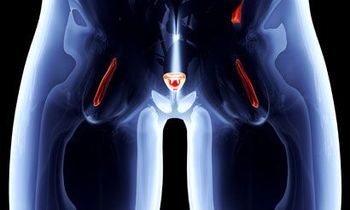

Ga-68 PSMA-11 radiotracer may be a feasible option for SCINTIX radiation therapy in patients whose prostate cancer has spread to the bones.

Follow-up phase 3 analyses support a hypofractionated radiation therapy regimen to conventional dosing in patients with prostate cancer.

New data from ESMO 2024 support an initial dose of Radium223 prior to chemotherapy among patients with mCRPC.
New findings from the open-label SPLASH trial show patients with mCRPC achieved improved progression-free survival as well as response rates and antigen-specific reductions.
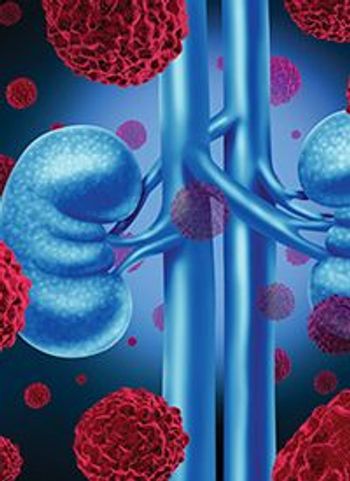
Late-breaking data from ESMO 2024 suggest ipilimumab / nivolumab may be a new standard of care for non-clear cell renal cell cancer.

Investigators observed promising clinical effect with the EGFR / HER3 bispecific antibody-drug conjugate.

September 27th 2024