Recent data suggest that bladder cancer burden is increasing across age groups, with a disproportionate rise among younger women.
Recent data suggest that bladder cancer burden is increasing across age groups, with a disproportionate rise among younger women.

Laura Bukavina, MD, MPH, MSc, sat down to discuss the emerging role of ctDNA in guiding treatment decisions for patients with muscle-invasive bladder cancer, drawing on findings from the RETAIN and RETAIN 2 trials.
As immunotherapy and antibody-drug conjugates move earlier in treatment, questions about sequencing therapies are emerging.

Laura Bukavina, MD, MPH, MSc, recapped a debate at SUO 2025 on how to appropriately classify high-grade bladder tumors.
Laura Bukavina, MD, MPH, offered her thoughts on the significance of the KEYNOTE-905 data and highlighted some remaining questions surrounding the regimen.
From a practical standpoint, integrating ctDNA into clinical practice poses challenges.
Betty Wang, MD, said she envisions ctDNA integrating into existing surveillance protocols for patients with high-risk NMIBC.
Wang and Bukavina outline several cases of ctDNA's utility in the space.
A notable finding was that 35% of these NMIBC patients exhibited ctDNA positivity.
The trial is assessing the safety and tolerability of adaptive radiation therapy with concurrent sacituzumab govitecan in patients with MIBC.
“[We’re working on] being able to apply the same mechanism and testing and thought that we put into this into stool to give people a precision signature of how they're going to respond or experience toxicity from EV based on their stool microbiome,” says Laura Bukavina, MD, MPH.
“We took the urine from those patients, and we tested to see if we can predict their gemcitabine metabolism capability. We were able to predict it pretty accurately,” says Laura Bukavina, MD, MPH.

"My biggest hope for people reading this review is to understand that there are some golden opportunities for research," says Laura Bukavina, MD, MPH, MSc.
"I think integrating microbiome surveillance into clinical trials can bridge the gap between research and also therapeutic applications," says Ilaha Isali, MD, MSc.

"Studying the microbiome overall is challenging because it's dirty science. You have to be incredibly careful with contamination," says Ilaha Isali, MD, MSc, and Laura Bukavina, MD, MPH, MSc.
"The interplay between the microbiome and bladder cancer is very complex," says Ilaha Isali, MD, MSc.
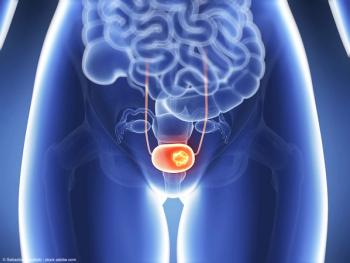
"We...tried to summarize all the findings that could potentially be helpful for future research in terms of bladder cancer," says Ilaha Isali, MD, MSc.