Vanderbilt University Medical Center
Articles by Vanderbilt University Medical Center

The therapy, known as Autologous Muscle Derived Cells for Urinary Sphincter Repair (iltamiocel), involves a medical procedure in which a participant’s own muscle cells are collected, processed, and then injected into the tissues of the urinary passage.

Amy Luckenbaugh, MD, is an assistant professor of Urology at Vanderbilt University Medical Center.

W. Kimryn Rathmell, MD, PhD, an internationally recognized expert in kidney cancer, is Chair of the Department of Medicine and Physician-in-Chief at Vanderbilt University Medical Center.
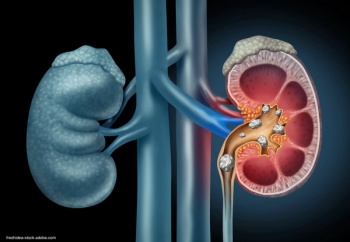
A multidisciplinary team at the Vanderbilt Institute for Surgery and Engineering is collaborating on a 3D navigational system to help limit kidney stone fragments that remain after surgery.

The study assessed 120 women with overactive bladder for associations between anxiety and somatic symptoms, quality of life, quantitative sensory testing measures, and psychological stress symptoms.
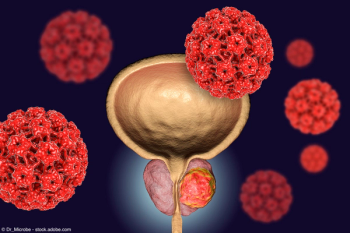
Active surveillance is the preferred treatment option for men with low-risk prostate cancer and an option for some men with favorable intermediate-risk prostate cancer.

“This fellowship was one of the first FPRMS fellowships and one of only three ever created which fully incorporated both urology and gynecology in a single training program,” said Roger Dmochowski, MD.
“Vanderbilt researchers are participating in numerous projects related to PRS and disease risk; studies such as this highlight the importance of evaluating whether novel clinical tools actually enhance care,” said Kerry Schaffer, MD.

“Our study offers molecular and cellular insights into this aggressive subtype of prostate cancer, which we hope will ultimately impact patient care,” said the study’s lead author, Hong Yuen Wong, PhD.

The researchers assessed gender differences in patients with interstitial cystitis/bladder pain syndrome (IC/BPS).

“The benefit of the clinic is a holistic approach to the survivorship care that takes into account things that we as urologists don’t usually consider in our everyday patient encounters,” said Niels Johnsen, MD, MPH, assistant professor of Urology, Division of Reconstructive Urology and Pelvic Health, Vanderbilt University Medical Center.

Tosoian is developing the Contemporary Uro-oncologic specimens and Protocols (CUSP) program, which will implement prospective collection of the biospecimens and correlative clinical data essential to basic, translational, and clinical genitourinary cancer research.


