

The test can help clinician determine whether a second procedure would be of benefit to a patient.
The test can help clinician determine whether a second procedure would be of benefit to a patient.

Physician involvement in responses to payer audits is crucial.

"Three decades into prostate-specific antigen screening–detected prostate cancer, the prognostic and therapeutic impacts of various types of pelvic lymph node dissection remain unclear," writes Badar M. Mian, MD.

Any aha! moments usually come before trial begins.

Review of nearly 5600 patients found a 5% pooled incidence of postoperative urosepsis.
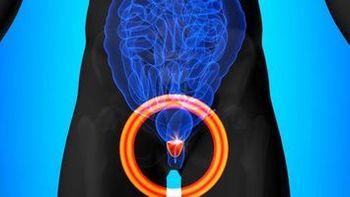
A phase 3 trial has already been launched to build on these early results with the combination of the PARP inhibitor and androgen receptor inhibitor.

Odds of having UI were 56% higher in women with vs women without diabetes.
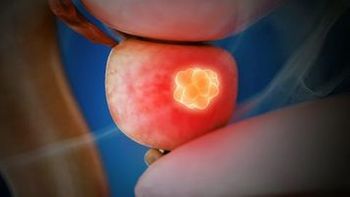
The PSMA-targeted radiopharmaceutical 177Lu-PSMA-617 is poised to become one of the first PSMA theranostics approved by the FDA.

Depression appears to be common in patients, retrospective data indicate.

The Optilume drug-coated balloon catheter system is used to treat patients with lower urinary tract symptoms related to benign prostatic hyperplasia.

Ninety-eight percent of the study population was female.

Using a blood or saliva sample, ProstateNow employs a 3-pronged approach for assessing risk.
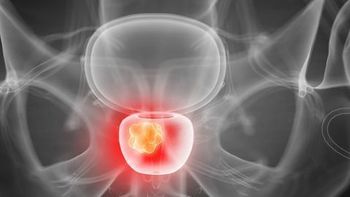
Scott T. Tagawa, MD, explained the latest developments with the radiopharmaceutical radium-223 at the 2021 New York GU 14th Annual Interdisciplinary Prostate Cancer Congress®.