Vignesh Packiam, MD, discusses strategies to manage intravesical therapy toxicity in NMIBC, improve treatment tolerability, and preserve bladder function.
Heidegger emphasizes that sexual concerns are almost never purely biological or purely psychological—they are biopsychosocial.
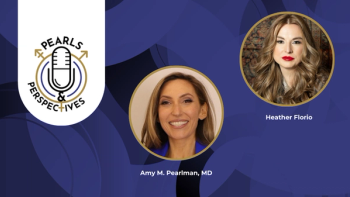
In this episode of Pearls & Perspectives, Amy Pearlman, MD, sits down with
Heidegger emphasizes that sexual concerns are almost never purely biological or purely psychological—they are biopsychosocial. Although urologists play a critical role in diagnosing and managing physical contributors (hormones, pain, medications, anatomy), sex therapists address shame, trauma, communication, desire, and relationship dynamics that often determine whether treatment succeeds.
Patients want to talk about sex—they just need permission. Even clinicians receive limited sexual health training, making proactive, curious questioning essential.
Anatomy education is foundational. Many patients have never learned basic sexual anatomy or seen accurate models of structures like the clitoris, contributing to misinformation, frustration, and poor outcomes.
Pain should never be normalized. Outside of consensual kink, sexual pain should always be taken seriously and addressed collaboratively.
Sex therapy is not “it’s all in your head.” Framing referrals as part of comprehensive care—not a dismissal—improves patient acceptance and outcomes.
Heidegger notes that sex therapy can benefit:
• patients with persistent sexual pain or dysfunction
• individuals struggling with desire, arousal, orgasm, or anxiety around sex
• couples with mismatched desire or communication issues
• patients navigating gender, orientation, trauma, or shame
• individuals or couples who want to proactively improve pleasure and intimacy.
The episode challenges several pervasive myths:
• Libido is not simply “high” or “low.”
• Many people experience responsive (not spontaneous) desire.
• Needing lube, toys, or medication does not mean lack of attraction.
• Orgasms and pleasure look different for every body and every relationship.
Heidegger and Pearlman explore delayed ejaculation, noting contributors such as:
• conditioning from self-pleasure that doesn’t translate to partnered sex
• performance pressure and partner expectations
• medications (e.g., SSRIs)
• pelvic floor tension and anxiety.
Solutions include normalizing diverse orgasm pathways, adjusting self-stimulation patterns, reducing outcome pressure, and improving communication.
The conversation highlights:
• the importance of comprehensive STI testing (including oral and rectal sites)
• normalizing STI discussions and moving away from shame-based language
• giving patients scripts for disclosure and consent conversations
• introducing frameworks like the STARS model (Safety, Turn-ons, Avoids, Relationship expectations, STI status).
Good sex is not about being “good at sex”—it’s about attunement, curiosity, and feedback. Heidegger shares resources for skill-building, including:
• educational platforms (e.g., OMGYES, Pleasure Mechanics, Beducated)
• sex coaching and workshops
• somatic sex education (where legally available).
Heidegger also discusses her work with equine-assisted therapy, using horse-human interactions to help patients develop boundaries, communication, nervous system regulation, and relational awareness—skills that translate directly into intimacy and sexual relationships.
This episode reinforces that:
• No single provider can (or should) address every aspect of sexual health.
• Collaboration between urology and sex therapy leads to better, more sustainable outcomes.
• Empowering patients with education, language, and referrals is a form of care—not abdication.