

Opinion|Videos|August 28, 2025
Phase 2 data highlight potential of detalimogene voraplasmid
Author(s)Rian J. Dickstein, MD
Fact checked by: Benjamin P. Saylor, Strategic Content Lead
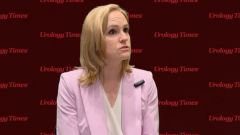
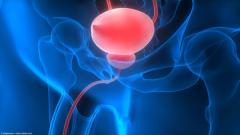
Rian J. Dickstein, MD, provides an overview of detalimogene voraplasmid, currently being evaluated for the treatment of non–muscle invasive bladder cancer.
Advertisement
In this interview, Rian J. Dickstein, MD, medical director of the Bladder Cancer Program at Chesapeake Urology, discusses the promise and challenges of detalimogene voraplasmid, a novel non-viral, plasmid-based gene therapy under investigation for patients with BCG-unresponsive non–muscle invasive bladder cancer (NMIBC). Unlike viral vectors, the therapy does not integrate into the genome, alleviating concerns about genetic alteration. It is also shelf-stable, easily reconstituted, and does not require specialized storage or handling, making it practical for clinical use.
Episodes in this series








Preliminary data from the phase 2 LEGEND trial (NCT04752722) showed a 71% complete response (CR) rate, with Kaplan-Meier–estimated 6-month CR at 51%. Although these results compare favorably with other therapies in this setting, Dickstein emphasized caution due to the small patient cohort and the early stage of follow-up. The decline in CR from 67% at 3 months to 47% at 6 months is consistent with patterns seen in other trials. Possible explanations include tumor immune evasion, disease biology, or waning treatment effect. Longer follow-up will clarify whether responses plateau or continue to drop off.
Mechanistically, detalimogene voraplasmid is designed to activate both innate and adaptive immune responses, with the adaptive component—stimulated by IL-12 expression—potentially driving long-term durability. Safety findings have been encouraging, with only grade 1-2 local adverse events such as dysuria, bladder spasm, and fatigue reported, and no systemic immune-related toxicities observed.
Feasibility of the 60-minute drug retention requirement was generally good, even among elderly patients, though urologists should address preexisting urinary symptoms to optimize exposure. For patients who are poor candidates for or decline radical cystectomy, Dickstein expressed hope that this therapy could delay or potentially obviate the need for surgery, though longer-term data are needed before drawing definitive conclusions.
Advertisement
Related to this article

Michael S. Cookson, MD, MMHC, FACS, discusses how Anktiva’s expanded FDA approval may broaden bladder-preserving treatment options for BCG-unresponsive papillary-only NMIBC.

Sandip M. Prasad, MD, MPhil, discusses the safety profile of mitomycin intravesical solution, including common adverse events and patient counseling during chemoablation for NMIBC.
Sandip M. Prasad, MD, MPhil, discusses 3-year ENVISION trial data showing durable responses with mitomycin intravesical solution for recurrent LG-IR-NMIBC.

Armine K. Smith, MD, discusses sexual health counseling, sex-specific considerations, and organ-preserving approaches for patients undergoing radical cystectomy.

Timothy N. Clinton, MD, recaps bladder cancer data from the 2026 AUA Northeastern Section meeting, including BOND-003 cretostimogene results and safety data on mitomycin intravesical solution.

Mark D. Tyson II, MD, MPH, reviews emerging bladder-sparing therapies for NMIBC, highlighting cretostimogene data, treatment sequencing, and the need for comparative trials.

Kim Chi, MD, FRCPC, discusses the rationale and design of the phase 3 KLK2-comPAS trial evaluating pasritamig alone and in combination with JNJ-9401 in patients with mCRPC.

Engy Habashy, MD, discusses key takeaways from the 2025 AUA GSM guideline, including the role of androgens and hormonal therapies in managing genitourinary syndrome of menopause.
Advertisement
Advertisement
Trending on Urology Times
1
How PSMA-PET shapes staging and recurrence workup in prostate cancer
2
ESMO 2026: Key presentations across genitourinary oncology
3
Engy Habashy, MD, on the role of androgens in GSM management
4
Darolutamide associated with less cognitive change than enzalutamide in prostate cancer
5