

"It’s an important topic to debate,” says Scott E. Eggener, MD.
"It’s an important topic to debate,” says Scott E. Eggener, MD.
“There are so many advances in prostate cancer, many of which are actually targeted,” says Alicia K. Morgans, MD, MPH.

A secondary analysis of 2 treatment alteration studies demonstrated that 18F-fluciclovine PET/CT scans play a pivotal role in determining if androgen deprivation therapy is appropriate for patients with prostate cancer.

The study included patients who were Hispanic and from the south Florida region, which was not included in previous studies.
“Overall, my take is that even with an intense PSMA-targeted radionuclide regimen, I think the chance of a response… at least by PSA, is higher with stronger baseline PSMA imaging,” says Scott T. Tagawa, MD, MS, FACP.

Eggener addresses the NCCN’s reversal on its controversial decision to remove the word “preferred” from its guideline on active surveillance for low-risk prostate cancer.

"We sought to conduct a National Cancer Database analysis evaluating the impact of the extent of lymphadenectomy on survival outcomes for patients presenting with intermediate- and high-risk prostate cancer,” said Furkan Dursun, MD.

Men who were obese and on active surveillance had worse urinary incontinence compared to non-obese peers through 5 years.
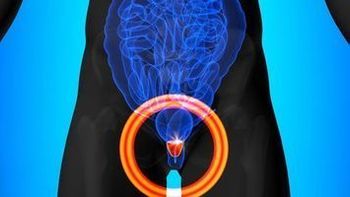
“This post hoc analysis demonstrates that enzalutamide plus ADT provides clear clinical benefits in improving survival, delaying progression, and other secondary end points in patients with oligometastatic disease,” says Andrew J. Armstrong, MD, MSc.