

eCoin is a new technology for the management of bladder overactivity that is implanted near the posterior tibial nerve subcutaneously.
eCoin is a new technology for the management of bladder overactivity that is implanted near the posterior tibial nerve subcutaneously.

Here is what patients experience enrolling in and participating in Medicare.

Apology laws limit the admissibility of apologetic statements.

"Ultimately, it will be the treating physician’s responsibility to identify cost-effective alternatives and available resources to help mitigate the financial toxicity incurred from novel cancer therapies," writes Badar M. Mian, MD.

"Cancer doesn’t take a holiday or vacation, and it doesn’t care about a pandemic. Our efforts to reduce deaths from prostate cancer through screening and early detection must continue," writes Michael S. Cookson, MD, MMHC.

Two studies shared at the 2022 Annual Meeting of the South Central Section of the AUA highlighted onabotulinumtoxinA and sacral nerve stimulation as alternative treatment options for patients older than 70 years with overactive bladder.

Kelvin Moses, MD, PhD, interviews Tracy M. Downs, MD, about progress and remaining challenges regarding diversity, equity, and inclusion in the field of urology.
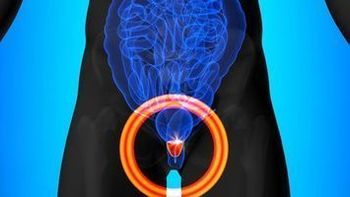
The target of 64Cu SAR-Bombesin is the Gastrin Releasing Peptide receptor, which is found on prostate tumors as well as several other tumors.

"The biggest advantage of this technique is that because the sound waves are coming from inside and going outwards, it doesn't destroy anything beyond the prostate, at least in theory,” said Michael Koch, MD.

In this interview, Andrew C. Peterson, MD, MPH, discusses the development of the artificial urinary sphincter.

“Community urologists need to interact more intimately with academic urologists so all of us have a voice in this direct-to-consumer conversation," says 1 urologist.

The ClarityDX Prostate test assesses a combination of clinical and biological biomarker data and provides a risk score that a patient biopsy would show a clinically significant prostate cancer.

The application is supported by findings from the phase 2/3 QUILT-3.032 trial.