

Howard B. Goldman, MD, FACS, discusses innovations such as tibial nerve stimulation devices, pudendal nerve targeting, and alternative stimulation frequencies.
Howard B. Goldman, MD, FACS, discusses innovations such as tibial nerve stimulation devices, pudendal nerve targeting, and alternative stimulation frequencies.

"We believe the confusion comes from the typical lexicon surgeons use when performing surgeries, rather than the actual code descriptor and the procedure performed," write Jonathan Rubenstein, MD, and Mark Painter.

In preclinical studies, ACE-232 demonstrated superior potency, efficacy, and pharmacokinetic properties compared with other CYP11A1 inhibitors.

The Cancer BioShield platform is being assessed as a treatment for lymphopenia in adult patients with refractory or relapsed solid tumors, including genitourinary tumors.

"As clinicians, researchers, and advocates, this moment invites us to reflect on how far we’ve come—and how much further we must go," writes Michael S. Cookson, MD, MMHC, FACS.
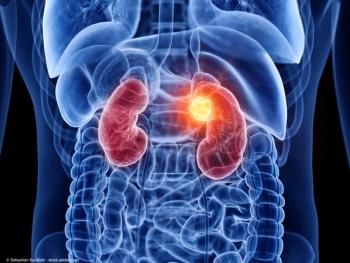
Data from the #HOPE4KIDNEY trial is intended to support submission for regulatory clearance of the Edison Histotripsy System.

"Time and again, we see physicians make avoidable mistakes that hinder or delay their ability to reach their financial goals," writes Jeff Witz, CFP.
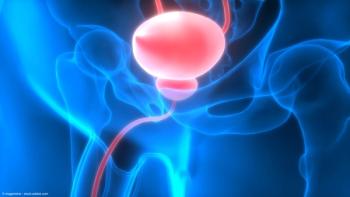
According to the authors, the mitomycin/BCG regimen could alleviate some of the burden of the global BCG shortage.
Treatment with darolutamide was found to extend median time to deterioration of FACT-P total score by 5.1 months vs placebo

“This was a positive study, resulting in a statistically significant improvement in the primary end point of rPFS in the intent-to-treat population," said Rana R. McKay, MD, FASCO.
The findings also lend further credence to the muscle-invasive bladder cancer treatment regimen, investigators reported.

"This final analysis of this study continues to support nivo+ipi as a standard of care for patients with untreated RCC," says Robert J. Motzer, MD.

The trial plans to enroll approximately 70 patients with mCRPC.

The investigators reported that ultra-low PSA responses “were associated with prolonged rPFS and delayed progression to mCRPC and PSA progression.”