
Alicia K. Morgans, MD, MPH, reviews promising prostate cancer findings from ESMO 2026,
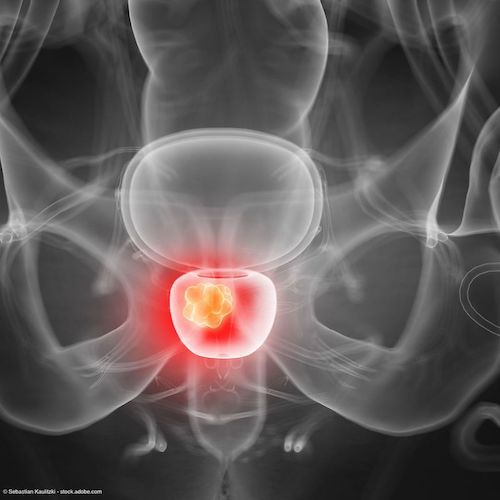
Chad Ritch, MD, discusses how PSMA-PET informs patient management across different stages of the prostate cancer journey.
In this video, Chad R. Ritch, MD, MBA, FACS, discusses how prostate-specific membrane antigen (PSMA)-PET imaging informs staging and treatment planning for patients with high-risk and very high-risk
Ritch explains that PSMA-PET imaging helps clinicians assess metastatic disease burden and determine whether patients may benefit from additional local treatment. Although high-volume metastatic disease may rule out surgery, selected patients with oligometastatic disease or limited regional lymph node involvement may still be candidates for surgical intervention.
“Certainly in high burden metastatic disease, which may not have been detected on a conventional CT or bone scan and picked up on a PSMA-PET scan, that changes the decision for surgery for a lot of people,” Ritch noted.
He also emphasized that PSMA-PET findings can help guide decisions about radiation therapy with systemic treatment in patients with low-volume metastatic disease. For patients undergoing surgery for very high-risk disease, he adds that establishing a baseline with PSMA-PET can also help inform postoperative surveillance and the interpretation of subsequent imaging findings.
In patients with suspected recurrence after radical prostatectomy, Ritch describes using PSMA-PET imaging as prostate-specific antigen (PSA) levels approach the biochemical recurrence threshold of 0.2 ng/mL. Although detection can be challenging at low PSA levels, initial imaging can establish a baseline for comparison with subsequent scans and help guide future management decisions. Following radiation therapy, PSMA-PET may be particularly useful when PSA levels are rising but have not yet met the Phoenix definition of biochemical recurrence (PSA nadir plus 2 ng/mL). Imaging during this interval may identify local prostate recurrence or distant metastatic disease earlier, although Ritch notes that the long-term clinical benefit of earlier detection remains an area of investigation.