Alicia Morgans, MD, discusses ARACOG findings on cognitive outcomes with darolutamide vs enzalutamide and the influence of genetic dementia risk.
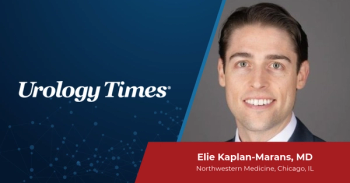
Benjamin Garmezy, MD, discusses personalizing mHSPC treatment intensification based on disease burden, molecular biomarkers, and patient-specific factors.
In this video, recorded at the
Garmezy highlights the increasing complexity of treatment selection as more therapeutic options become available for patients with advanced prostate cancer. Although androgen deprivation therapy (ADT) combined with an androgen receptor pathway inhibitor remains an appropriate approach for most patients, additional treatment intensification may be warranted based on molecular features, including BRCA1/2 mutations and PTEN loss. He also discusses the roles of docetaxel and lutetium-177 PSMA-targeted radioligand therapy, emphasizing the importance of considering disease biology, comorbidities, potential toxicities, and patient preferences when selecting among available options.
When identifying patients who may benefit most from treatment intensification, Garmezy considers both traditional clinical risk factors and molecular characteristics. High-volume disease, including extensive bone, visceral, or extrapelvic nodal metastases, and high-risk features can inform treatment decisions. Genomic findings also play an important role, with BRCA1/2 mutations and aggressive variant molecular signatures, including alterations in PTEN, RB1, and TP53, potentially identifying patients who warrant a more intensive approach.
Garmezy also addresses the challenges of applying established disease-volume definitions in an era of increasingly widespread PSMA-PET imaging. Because historical definitions of high-volume disease were developed using conventional imaging, he notes that the clinical implications of identifying additional metastatic lesions with PSMA-PET remain an important area of investigation. He points to efforts by the Prostate Cancer Working Group 4 to incorporate newer imaging modalities into clinical trials, which may help clarify how imaging findings should influence treatment selection and intensification.