
Opinion|Videos|November 25, 2026
2026 SUNA uroLogic: Nursing strategies for intravesical cretostimogene
Fact checked by: Hannah Clarke
Streamlined 2-step cretostimogene administration cut equipment and patient anxiety without compromising efficacy, according to Debra Cohen, RN.
Advertisement

Nurses and associates managing high-risk non–muscle invasive
Investigational cretostimogenegrenadenorepvec differs mechanistically from BCG, Cohen said. The oncolytic adenovirus exploits dysregulation of the Rb/E2F pathway in malignant urothelial cells, replicating selectively and lysing those cells while releasing tumor antigens that prime an adaptive immune response, including immunologic memory. BCG, by contrast, acts on healthy and malignant cells alike, which Cohen linked to its broader adverse event profile.
Administration begins with the excipient n-dodecyl-beta-D-maltoside (DDM), which transiently disrupts the glycosaminoglycan layer to permit viral entry. Because the urothelium remains permeable for roughly 24 hours, Cohen counsels patients to avoid alcohol, caffeine, citrus, and carbonated beverages during that window, and she emphasized framing those instructions as physiology rather than prohibition.
Cohort A of the phase 2 CORE-008 trial (NCT06567743) randomly assigned 54 patients with BCG-naive high-risk NMIBC to the original 5-step administration process or an optimized 2-step process consisting of a 15-minute DDM dwell followed by cretostimogene instillation.1 The 5-step process requires 10 50-cc syringes plus additional syringes for medication and saline; the 2-step process requires 4.
"It's less equipment, less anxiety for the patient," Cohen said.
During the 60-minute dwell, Cohen's clinic retains the catheter and elevates a sterile Foley bag to mitigate bladder spasm and prevent leakage, repositioning recumbent patients every 15 minutes to distribute the agent. Catheter removal is feasible for continent patients who prefer it. Cretostimogene is handled as a biosafety level 2 agent, mirroring existing BCG protocols: mask, eye protection, double or chemotherapy gloves, gown, biosafety cabinet, and red-bag disposal.
Reported treatment-emergent adverse events have included bladder spasm, dysuria, urinary frequency, hematuria, fatigue, and urgency, most of them mild and typically resolving within 1 to 2 days.2 Adequate hydration mitigates dysuria. For refractory irritation, Cohen described a pretreatment intravesical dwell of 5 mL of 8.4% sodium bicarbonate with 15 mL of 2% lidocaine, hyoscyamine 0.125 mg for retention difficulty, and Trendelenburg positioning for late-dwell urgency.
Cohen also uses induction and maintenance milestones, including written messages from prior participants, to reinforce engagement across multiyear treatment courses.
––––
REFERENCES
1. Steinberg GD, Pearce S, Belkoff L, et al. First results from CORE-008 cohort A: phase 2 study of intravesical cretostimogenegrenadenorepvec in patients with high-risk BCG-naïve non-muscle invasive bladder cancer. J Clin Oncol. 2026;44(7_suppl):756. doi:10.1200/JCO.2026.44.7_suppl.756
2. Eleazar A. Durable responses seen with cretostimogene in BCG-unresponsive NMIBC. Targeted Oncology. Published July 29, 2026. Accessed November 23, 2026.
Advertisement
Related to this article

Sam S. Chang, MD, MBA, discusses factors guiding bladder-sparing treatment selection in BCG-unresponsive NMIBC, including efficacy, treatment burden, cost, and patient preferences.
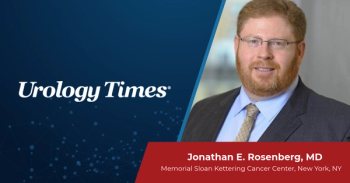
Jonathan E. Rosenberg, MD, discusses the FDA approval of perioperative durvalumab plus enfortumab vedotin and considerations for treatment selection in cisplatin-ineligible MIBC.

Vignesh Packiam, MD, discusses optimizing BCG treatment in high-risk NMIBC, including patient selection for combination immunotherapy and treatment-related trade-offs.
Juan Gómez Rivas, MD, FEBU, PhD, discusses priorities for expanding equitable PSMA-PET access and evaluating its impact on prostate cancer treatment decisions and outcomes.

The first patient was dosed at Fujian Medical University Union Hospital.

Panelists answer audience questions on treatment targets, fertility-sparing options, and formulations, and why lifestyle change and therapy pair well.
Panelists challenge the belief that testosterone fuels prostate cancer, explain PSA on therapy and TRAVERSE BPH data, and weigh Schedule III status.

Jessica Feehan, NP-C, discusses the expanding role of APPs in urology, from clinical leadership and procedures to care coordination and treatment initiation.
Advertisement
Advertisement
Trending on Urology Times
1
Rectal Spacing for Prostate Radiotherapy: Evidence, Candidates, and Spacer Materials
2
RAG-01 enters phase 2 testing for intermediate- and high-risk NMIBC in China
3
Juan Gómez Rivas, MD, FEBU, PhD, on advancing PSMA-PET access and clinical evidence
4
Sam S. Chang, MD, MBA, on personalizing treatment after BCG failure
5