
Streamlined 2-step cretostimogene administration cut equipment and patient anxiety without compromising efficacy, according to Debra Cohen, RN.
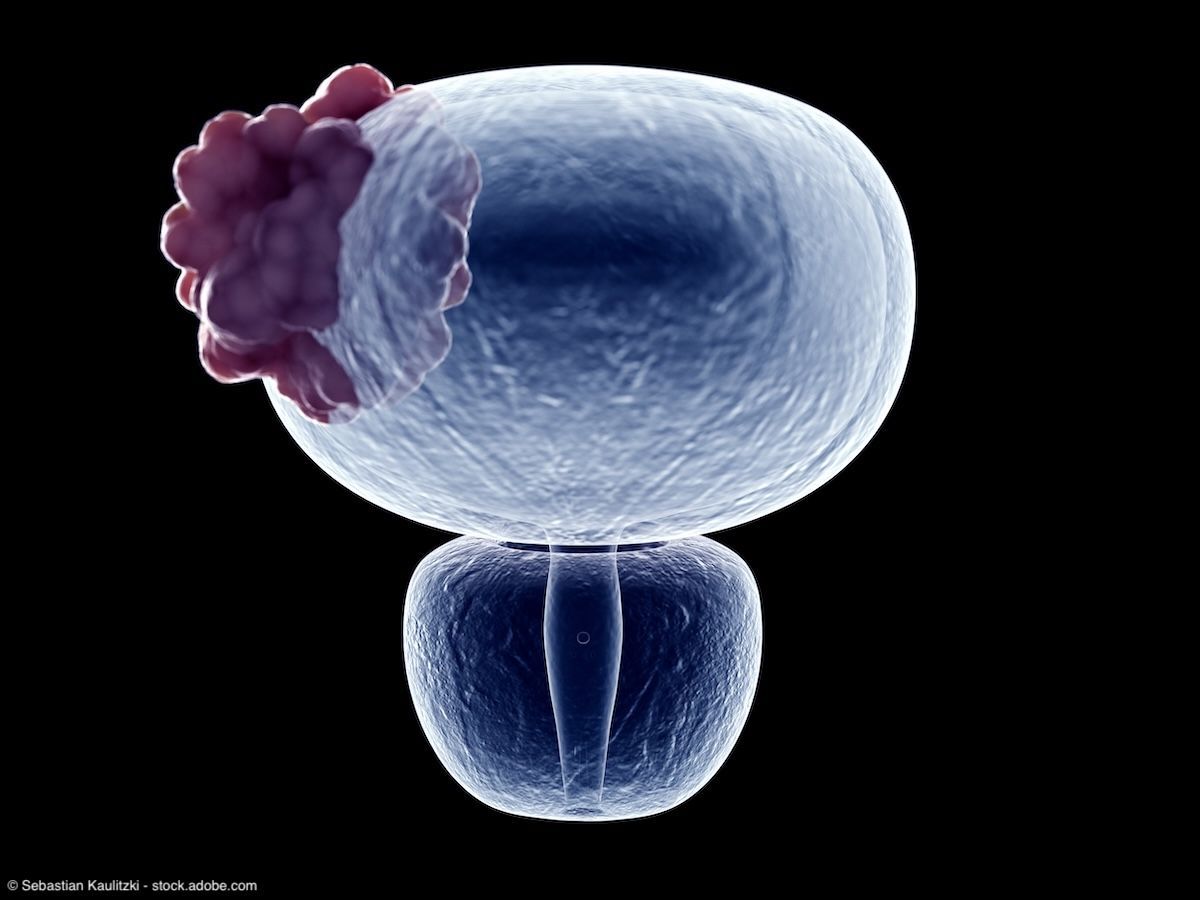
Sam S. Chang, MD, discusses factors guiding bladder-sparing treatment vs radical cystectomy, emphasizing disease characteristics and shared decision-making.
In this video, Sam S. Chang, MD, MBA, discusses the factors that influence his decision to recommend additional bladder-sparing treatment or radical cystectomy for patients with BCG-unresponsive non–muscle invasive
Chang explains that selecting between bladder-sparing treatment and radical cystectomy requires consideration of several disease- and patient-specific factors. Tumor characteristics, including whether a patient has T1 disease vs a smaller Ta tumor, play an important role in assessing the appropriateness of additional bladder-preserving approaches. He also considers patients’ symptoms and baseline bladder function, noting that patients with poorly functioning bladders may have difficulty tolerating additional intravesical treatments.
Chang also highlights findings from the nonrandomized CISTO trial (NCT03933826), which demonstrated that radical cystectomy may be an appropriate choice for many patients when considering quality of life and physical well-being.1 According to Chang, these findings further underscore the importance of evaluating treatment decisions beyond disease characteristics alone. He emphasizes that there is no established hierarchy of treatment options and that decisions should reflect individual patient circumstances and preferences.
“[W]e do need to discuss all these options and personalize that decision,” Chang says, underscoring the importance of shared decision-making when determining the most appropriate treatment approach.
REFERENCE
1. Gore JL, Wolff EM, Nash MG, et al. Twelve-Month Results From the CISTO Study Comparing Radical Cystectomy Versus Bladder-Sparing Therapy for Recurrent High-Grade Non-Muscle-Invasive Bladder Cancer. J Clin Oncol. 2026;44(4):274-285. doi:10.1200/JCO-25-01324