Sponsored Resources


Sponsored by Pfizer

Ashish M. Kamat, MD, MBBS, provides expert insights into the current state of bladder cancer care, emphasizing the critical role of patient-centric approaches and exploring the evolving treatment landscape. Kamat is an endowed professor of urologic oncology and cancer research at the University of Texas MD Anderson Cancer Center and president of the IBCG (International Bladder Cancer Group) and former president of the IBCN (International Bladder Cancer Network). Dr. Kamat has been compensated by J&J for his time to develop this content.


Neal Shore, MD, FACS, is a U.S. Chief Medical Officer at GenesisCare USA and Medical Director of the Carolina Urologic Research Center. He also was an investigator on the Phase 2 and 3 studies in the clinical trial program for nadofaragene firadenovec-vncg.


Experts begin their panel discussion on OAB by describing the typical diagnostic process and initial conversations that they have with patients suspected of having the condition.

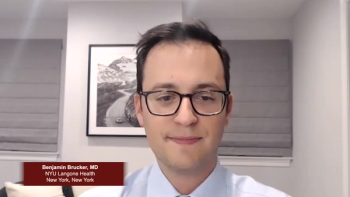
Urologist Benjamin Brucker, MD, urogynecologist Eman Elkadry, MD, and nurse practitioner Jenna Horton, NP introduce themselves, outline their credentials, and briefly describe the patients with overactive bladder (OAB) who they typically see in their clinical practice.

When it comes to technology, recommendations from a peer can highlight which solution is best for your practice. Learn how this urology practice was transformed by implementing our ModMed® Urology EHR.


These free resources will help you learn all you need to know about about remote patient monitoring, a digital health solution that captures and records patient physiologic data outside of a traditional health care environment.


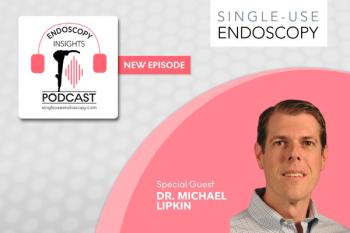
Dr. Michael Lipkin discusses a recent study conducted at Duke University Hospital that found that a new single-use cystoscope demonstrated superior flexion and comparable optics to the reusable scopes already being used in a hospital urology department.


A panel of experts discusses the evolution of BPH treatment, as well as how their practices have been affected by COVID-19.

Experts highlight recent clinical data and their implications for diagnosis and treatment.