

RAG-01 is an saRNA therapy that is delivered via intravesical instillation and is designed to target and activate p21, a tumor suppressor gene.
RAG-01 is an saRNA therapy that is delivered via intravesical instillation and is designed to target and activate p21, a tumor suppressor gene.

The study is exploring the small activating RNA therapy RAG-01 in patients with BCG-unresponsive non–muscle-invasive bladder cancer.

The ProstACT GLOBAL study is investigating second-line TLX591 in combination with the current standard of care (SOC) vs SOC alone in patients with mCRPC who have progressed on a novel androgen axis drug.
Treatment with TLX591 resulted in a PSA reduction in nearly two-thirds of evaluable patients with PSMA-expressing metastatic castration-resistant prostate cancer.

The phase 2 ProstACT TARGET study is exploring TLX591 (177Lu-DOTA-rosopatamab) in combination with external beam radiation therapy.
“There’s a tremendous amount of work going on right now with PARP inhibitors in the resistant stage, but now also we’re looking at them in the sensitive stage,” says Neal D. Shore, MD.

Dr Neal Shore gives his first impressions of a patient case and gauges the risk of progression.

For the first time, the trial will examine the efficacy of SpaceOAR Vue Hydrogel in reducing late gastrointestinal toxicity and improving the quality of life in patients receiving stereotactic body radiotherapy for the treatment of prostate cancer.
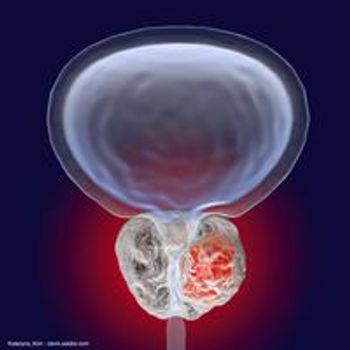
The phase 1/2 COBRA trial is exploring the novel PSMA-PET imaging agent 64Cu-SAR-bisPSMA in patients with biochemical recurrence.

Bobby Liaw, MD; Neal Shore, MD, FACS; and Vivek K. Narayan, MD, MS, discuss the incidence and prevalence of advanced prostate cancer, including mCSPC and nmCRPC.

“I would say what RTOG-0815 has provided is data to have an intelligent conversation with our patients and provide them numbers so that they know what to expect,” says Bridget F. Koontz, MD.

“We [at GenesisCare] would be really interested in looking at strategies to identify men that we think are aggressive but localized and offer them a chance to do a shorter course hormonal therapy, which is going to substantially improve quality of life without losing on the efficacy end,” says Bridget F. Koontz, MD.

“The RTOG-0815 study [of dose-escalated RT plus androgen suppression] has provided...data to have an intelligent conversation with our patients and provide them numbers so that they know what to expect,” says Bridget F. Koontz, MD.

The oncology provider will enable patient access to the PSMA-PET imaging agent piflufolastat F 18, which the FDA approved in May 2021 for identifying suspected metastasis or recurrence of prostate cancer.

GenesisCare doctors Kishore K. Dass, MD, Anurag Agarwal, MD, and Jerry Singer, MD, share their expert insight on the novel PSMA-PET imaging diagnostic Pylarify .

This video features commentary from Leonard Bitterman, the first patient in the United States to receive Pylarify.

Lantheus, the developer of piflufolastat F 18, selected oncology provider GenesisCare to administer the first commercially available dose of the agent.
Amid a recent FDA approval and impressive phase 3 data shared during ASCO, there has been a flurry of activity in the PSMA space.