

An analysis of NRG/RTOG 0815 found Decipher predicted distant metastasis risk and identified patients with greater benefit from short-term ADT.
An analysis of NRG/RTOG 0815 found Decipher predicted distant metastasis risk and identified patients with greater benefit from short-term ADT.
A national study found that use of MRI before prostate biopsy increased in US hospitals from 2017 through the first half of 2026.
Nannan Thirumavalavan, MD, reflects on how the FDA’s testosterone labeling changes, informed by the TRAVERSE trial, have influenced TRT prescribing and clinician confidence over the past year.
Investigators in the BioFront trial are evaluating whether CBM588 enhances the efficacy of immune checkpoint inhibitors in renal cell carcinoma.
Despite early termination of the trial, its results provide scientific rationale for further investigation into targeting alternative AR domains in mHSPC.

2025 featured multiple advancements in women's health aimed at enhancing treatment options and awareness.

Jaeger emphasized that the ideal HoLEP candidate is any patient with bothersome lower urinary tract symptoms due to BPH, including those with urinary retention or intolerance to medication
Pedro C. Barata, MD, MSc, FACP, outlines ARANOTE findings stratified by age subgroups.

Daniel Spratt, MD, presented data validating the PAM50 gene expression signature as the first predictive biomarker to guide hormone therapy in prostate cancer.

Data showed that 1 in 6 men with GG1 prostate cancer ultimately had higher-risk disease when other clinical features were taken into account.
Laura E. Davis, MD, discusses the link between early onset prostate cancer and persistent poverty.
“The key finding is [that] this might be, in itself, a novel risk factor for bladder cancer," says Laura E. Davis, MD.
“Oftentimes, [during] the very first visit, we are talking a lot. I am learning what's going on with them," says Anna Myers, CNP.
"We can improve urinary tract infections considerably with behavioral modification," says Anna Myers, CNP.

“What's really cool about overactive bladder is that, it's not like high blood pressure. They do not have to leave this office with a pill in hand," says Anna Myers, CNP.
"A lot of times…decreased desire is affected by everything else: pain with sex, orgasm, arousal. Because if none of that is good, then desire isn't going to be good either," says Anna Myers, CNP.

In a recent study of the RELIEF stent, 95% of patients showed no VUR following stent placement.

“These findings support the safety of vaginal estrogen for treatment of local menopause symptoms, even in high-risk women,” says Gabriella M. Rustia, MD.
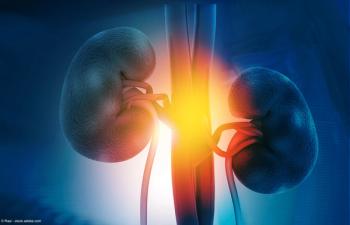
"We think that radiation therapy is one of the best treatment options available for kidney cancer," says Nicholas Zaorsky, MD, MS.

"That's probably the biggest thing that I would say to somebody who's interested in urology is, do you think you can get on another patient's level?" says Emily Sopko, CNP.

"I like working alongside the residents, because they've taught me pretty much everything that I know about urology," says Emily Sopko, CNP.

"Often, we can do flexible cystoscopies for difficult Foley placements, or if we need to remove an indwelling stent at the bedside, I can assist with those things," says Emily Sopko, CNP.

"I'm able to really dedicate a lot of my time to patients and families for education," says Emily Sopko, CNP.

"When it came down to linking the clinical information with both biopsy reports as well as the prostatectomy pathology reports, we didn't have much of a challenge with that," says Randy A. Vince Jr, MD, MS.

"I'm very transparent with my patients by telling them these exist. I don't provide them because we don't have enough level of evidence or body of research supporting them," says Ramy Abou Ghayda, MD, MPH, MBA.
"What we found is that across the board, all 16 scores did relatively well with the association between an elevated polygenic risk score and prostate cancer incidence," says Randy A. Vince Jr, MD, MS.

“One thing is we’re trying to create an atmosphere in the center whereby men feel at ease, they're comfortable talking to their provider who is specialized in this field,” says Ramy Abou Ghayda, MD, MPH, MBA.

"I think digital therapeutics and virtual care are going to expand access," says David Sheyn, MD.

“I think ultimately, when we think about when do we deliver MDRT and to whom, it comes down to a goals of care discussion,” says Angela Jia, MD, PhD.
"We did discuss a couple of future research ideas, a number of which would have been controlling for those potential factors we thought could contribute to the increased UTI risk that we were not able to control for in the study like loss of commensal bacteria or anything of that nature," says David Gilbert.