
Opinion|Videos|July 6, 2026
Emerging Treatment Strategies in mCSPC
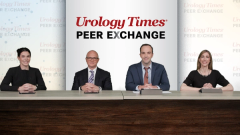
This episode, titled “Emerging Treatment Strategies in mCSPC,” features panelists discussing the rapidly evolving treatment landscape in metastatic castration-sensitive prostate cancer (mCSPC) and the growing number of therapeutic approaches being incorporated alongside androgen deprivation therapy (ADT) and androgen receptor pathway inhibitors (ARPIs).
Advertisement
Episodes in this series
This episode, titled “Emerging Treatment Strategies in mCSPC,” features panelists discussing the rapidly evolving treatment landscape in metastatic castration-sensitive prostate cancer (mCSPC) and the growing number of therapeutic approaches being incorporated alongside androgen deprivation therapy (ADT) and androgen receptor pathway inhibitors (ARPIs). The expert faculty review how emerging strategies, including PARP inhibitors, AKT inhibitors, metastasis-directed therapy (MDT), and PSMA-targeted radioligand therapies, are expanding treatment possibilities and creating new opportunities for personalized care.
The panel of experts highlights the impact of PSMA PET imaging on disease staging and treatment planning, particularly for patients with oligometastatic disease. They discuss how advances in imaging have led to greater adoption of metastasis-directed therapy and the integration of local and systemic approaches aimed at improving long-term disease control. Faculty also examine the growing use of PARP inhibitor combinations in biomarker-selected populations and discuss the potential future role of therapies targeting PTEN-deficient disease and PSMA-positive tumors.
Throughout the discussion, the panelists emphasize that ADT plus ARPI remains the therapeutic backbone across treatment strategies, while emerging agents may further intensify or personalize therapy for selected patients. They also explore how increasing treatment options create new questions regarding sequencing and duration of therapy. In addition, the expert faculty discuss the concept of treatment de-intensification in carefully selected patients, including the possibility of treatment holidays and close surveillance following robust responses. The panel considers the balance between maximizing disease control and minimizing long-term treatment-related toxicities, underscoring the need for individualized decisions as evidence continues to evolve.
In the next episode, “Evidence Gaps in mCSPC,” panelists will discuss key unanswered questions in metastatic castration-sensitive prostate cancer, including treatment de-intensification, the role of deep PSA responses, and strategies for patients with suboptimal treatment outcomes. The panel will also explore the need for predictive biomarkers, prospective comparative studies, and other advances that may help personalize treatment decisions in the future.
Advertisement
Related to this article

Engy Habashy, MD, discusses key takeaways from the 2025 AUA GSM guideline, including the role of androgens and hormonal therapies in managing genitourinary syndrome of menopause.

Chad R. Ritch, MD, MBA, FACS, discusses how PSMA-PET informs staging, treatment planning, recurrence workup, and the interpretation of equivocal findings.

Michael S. Cookson, MD, MMHC, FACS, discusses how Anktiva’s expanded FDA approval may broaden bladder-preserving treatment options for BCG-unresponsive papillary-only NMIBC.

Jeffrey M. Spier, MD, discusses how fatigue may impact patient quality-of-life and when dose reduction may be an appropriate treatment strategy.

This approval expands the perioperative use of pembrolizumab plus enfortumab vedotin to all patients with MIBC, regardless of cisplatin eligibility.
Take a look through some of the notable data presentations at this year's ESMO Congress.
The investigational HIF-2α inhibitor casdatifan demonstrated antitumor activity as monotherapy and in combination regimens across the ARC-20 platform study.

The agency issued a PDUFA target action date of June 14, 2027.
Advertisement
Advertisement
Trending on Urology Times
1
European Commission approves perioperative pembrolizumab plus enfortumab vedotin for MIBC
2
Michael Cookson, MD, reacts to Anktiva’s expanded approval in NMIBC
3
FDA accepts new drug application for UGN-103 in recurrent LG-IR-NMIBC
4
ESMO 2026: Key presentations across genitourinary oncology
5