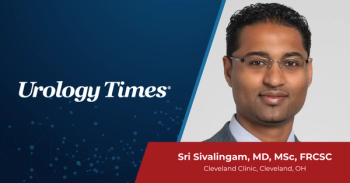
Sri Sivalingam, MD, discusses how suction-based technologies are improving stone clearance and raising expectations for ureteroscopic stone treatment.

Jennifer U. Miles-Thomas, MD, MBA, reflects on the key pillars to building successful surgeon/advanced practice providers partnerships.
In this interview, Jennifer U. Miles-Thomas, MD, MBA, discusses how clearly defined roles, structured training, and professional development opportunities are essential to building strong surgeon/advanced practice provider (APP) partnerships and improving long-term retention. Miles-Thomas is an assistant professor of urology at the Feinberg School of Medicine at Northwestern University in Chicago, Illinois.
According to Miles-Thomas, a successful surgeon/APP partnership begins with a team-based mindset in which all clinicians are empowered to work at the top of their license within a physician-led model. She emphasizes that while differences in training and scope of practice can create tension, aligning around shared goals and clearly defining responsibilities based on both education and individual strengths can foster collaboration. Ensuring that APPs are not routinely tasked with duties below their training level is particularly important, as this can contribute to burnout and diminish job satisfaction.
Retention, she explains, requires more than competitive compensation. Health systems must also invest in APPs’ professional growth by offering leadership opportunities, involvement in specialized clinics, and avenues for career diversification beyond direct patient care. At Northwestern, APPs lead subspecialty clinics such as those focused on overactive bladder or stone disease allow them to develop expertise and take ownership of patient management within defined parameters. Providing these opportunities helps maintain engagement and creates a sense of purpose and progression.
Finally, Miles-Thomas highlights the importance of structured onboarding, mentorship, and ongoing support. APPs transitioning into new specialties require dedicated training to build the clinical depth needed for high-quality care. Clear triage systems, strong mentorship, and APP leadership infrastructure further support team integration and communication. Together, these elements create a collaborative environment where APPs feel valued and motivated to grow within the organization.