

Patients in the Cxbladder arm had a 59% relative reduction in the number of cystoscopies performed vs those in the control arm.
Patients in the Cxbladder arm had a 59% relative reduction in the number of cystoscopies performed vs those in the control arm.

"This study reinforces our role as physicians to guide patients away from costly supplements with little or no benefit," said Wai Lee, MD.

The new Category I code will become effective on January 1, 2026.

Cretostimogene grenadenorepvec is an intravesical oncolytic immunotherapy currently under investigation in phase 3 trials.

"The positive trends emerging from the ongoing phase 1 trial of BMC128, particularly in combination with nivolumab, underscore the transformative potential of microbiome-based therapeutics in oncology,” says Gal Markel, MD, PhD, MBA.

The first commercial doses of the diagnostic have now been administered in both Austria and France.
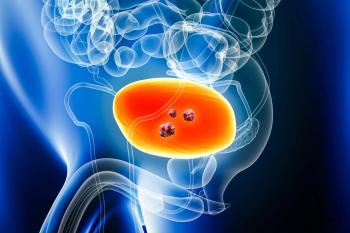
Disitamab vedotin is a novel humanized anti-HER2 antibody-drug conjugate that previously demonstrated encouraging anti-tumor activity in combination with toripalimab in patients with metastatic urothelial carcinoma.
The 12-month duration of response was 82.3% among patients with LG-IR-NMIBC who achieved a complete response at 3 months following the first UGN-102 instillation.
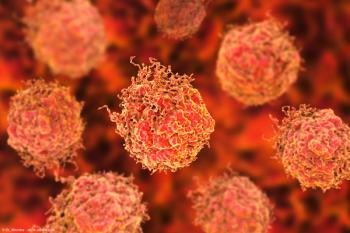
“Our trial’s preliminary major finding is that PSCA-directed CAR T cells may be effective against mCRPC," says Saul J. Priceman, PhD.
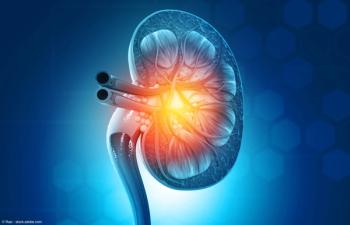
The median progression-free survival with the combination was 19.83 months.
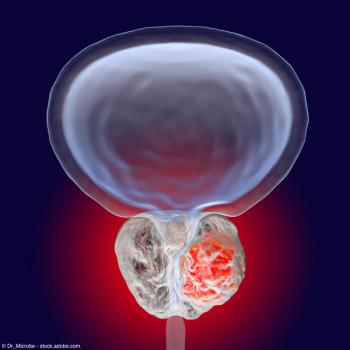
The negative margin rate was 72.8% with UnfoldAI vs 1.6% with SOC, translating to a 45-fold increase in accurately identifying cancer extent with the AI tool.
The median OS was 14.5 months among those with high B2 expression, compared with 24.0 months among those with low B2 expression.
“The ability to gather actionable information from PSMA PET scans is important for physicians to make informed decisions about patient management for men with prostate cancer,” says Eugene Teoh, MBBS, MRCP, FRCR, DPhil.

"We concluded that to improve cost-effectiveness, prostate cancer screening strategies should focus on reducing false positives and overdiagnosis," says Roman Gulati, MS.
The BLA submission is supported by findings from the phase 3 ZIRCON trial, which demonstrated high specificity and sensitivity of TLX250-CDx for PET/CT imaging of ccRCC.
Data from a phase 1 study of KPG-121 were also recently presented at the 2024 ASCO Annual Meeting.
The study reported a median rPFS of 8.8 months among 23 adult patients with previously treated, progressive mCRPC.

"Ensuring equal access to genomic tumor testing and precision medicine treatments may be a viable strategy to help close the well-described gaps in prostate cancer outcomes between Black and White men," says Luca F. Valle, MD.

The change was made following the submission of a real-world evidence study showing that 5- to 10-year overall survival following robot-assisted radical prostatectomy was comparable to that of non-robotic radical prostatectomy.
"We hope this study encourages a national acceptance of active surveillance as an effective management strategy for prostate cancer,” says Daniel Lin, MD.
No statistically significant difference was seen in progression-free survival among those who received metformin vs those who received placebo.

“The PRO data presented here complements the published clinical efficacy and safety data, add the patient's voice, and support the use of EV/pembro for patients with locally advanced/metastatic urothelial cancer," says Shilpa Gupta, MD.
"In the cisplatin-ineligible cohorts, we showed that high event-free survival and overall survival rates can be achieved at 12 and 36 months in patients treated with neoadjuvant avelumab in combination with cisplatin-based chemotherapy," says Jeremy Blanc, MD.

Gilead reported that a numerical improvement in OS favoring sacituzumab govitecan was observed, though the end point was not reached in the intent-to-treat population.

Patients with high-risk disease were shown to have a significantly higher mean value of SUVmax compared with patients with low-risk disease (23.5 ± 13.2 vs 10.6 ± 5.4; P < 0.05).
The IND acceptance will initiate the launch of a phase 1 trial to evaluate the safety, tolerability, and preliminary anti-tumor activity of 225Ac-FL-020 in patients with mCRPC.
"This announcement is an important step in increasing the awareness and accessibility of OnQ Prostate beyond its earliest adopters, so that more physicians and patients can benefit from this technology," says Brittany Hunt.
The approval is based on findings from the phase 3 CheckMate-901 study.
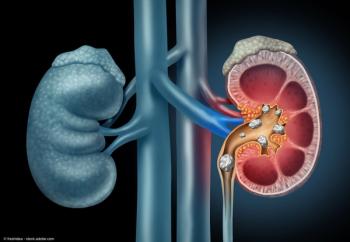
Regarding patient-reported outcomes, those who underwent URS showed higher urinary symptoms, greater pain intensity, and greater pain interference at 1 week following surgery compared with those who underwent SWL.
“If approved by the FDA, this new product will have a significant impact on prostate cancer patients, physicians, and their caregivers by helping to eliminate the inequity of access to PSMA-PET agents, and increase the ability to accurately diagnose cancer early, reducing the cost of care, and increasing the probability of patients’ survival," says Mike Crosby.