
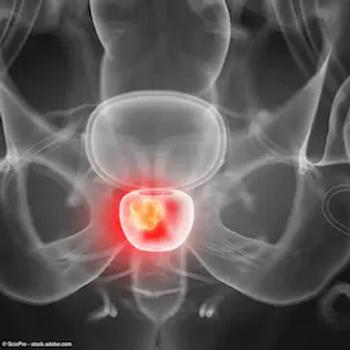
The trial is comparing the diagnostic performance of 61Cu-NODAGA-PSMA I&T with that of 18F-piflufolastat.
The trial is comparing the diagnostic performance of 61Cu-NODAGA-PSMA I&T with that of 18F-piflufolastat.

The codes will go into effect on January 1, 2026.

None of the videos mentioned the long-term impact of exogenous testosterone on spermatogenesis.
The decision to withdraw sacituzumab govitecan from the market was made in consultation with the US FDA following negative data from the phase 3 TROPiCS-04 trial.

Almost all studies (93.5%) reported an improvement in validated patient-reported outcomes following treatment.
Overall, 4 of 5 patients with low-grade disease who received bel-sar with light activation achieved a complete clinical response.

At 5 years, 95.8% of patients in the SBRT arm were free from biochemical or clinical failure compared with 94.6% of patients in the control radiotherapy arm.
Data from the EMPIRE-2 trial also showed that 18F-fluciclovine resulted in significantly more boosts to the prostate bed.

The target action date for the application is June 13, 2025.
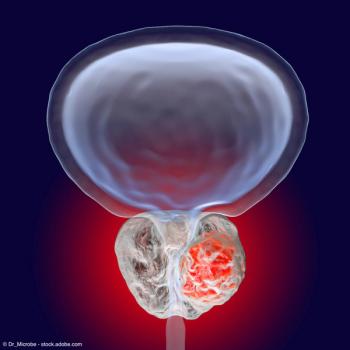
Overall, 15/16 patients had a true positive scan based on confirmatory imaging and/or biopsy, equating to a PPV of 93.75%.
The application is supported by data from the pivotal phase 3 ARANOTE trial.
Patient recruitment for the phase 3 AMPLIFY trial is set to begin early next year.
Both 177Lu-PSMA-I&T and 64Cu-PSMA-I&T are currently in phase 3 development for use in prostate cancer diagnostics and treatment.
“Nivolumab, combined with standard of care trimodality therapy, appears to be promising for the treatment of grade group 5 prostate cancer," says John Michael Bryant, MD.

“While there are other treatment options available for treating BPH, there remains a significant need for much less invasive treatment approaches that can preserve and protect the integrity of the urethra and other critical structures," says Ryan Rhodes.

"Overall, TAR-200 is being tested with the aim of changing the therapeutic paradigm of patients with an early bladder cancer diagnosis, including non–muscle-invasive disease and muscle-invasive disease," says Andrea Necchi, MD.
"We remain on track for the opening of phase 2 in the next few months. We also expect to see the full phase 1 results presented at a scientific meeting in 2025," says David E. Gauden, DPhil.
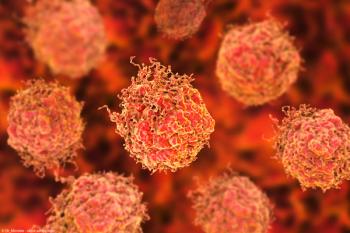
Patients with elevated CTC count at baseline experienced poor complete response rates and worsened PFS and OS.
The WATER IV PCa will assess Aquablation vs radical prostatectomy in patients with grade group 1 to 3 localized prostate cancer.
Illuccix is now indicated for use in the selection of patients with mCRPC for PSMA-targeted radionuclide therapy.
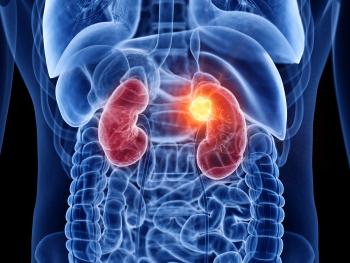
“We are pleased that a first patient has been imaged in the CA-NINE trial, which supports potential label expansion for TLX250-CDx into recurrent, metastatic disease,” says David N. Cade.
The overall report rate per unit sold of the PEG hydrogel spacers was 0.40%.
In total, the phase 3 UTOPIA trial plans to enroll 87 patients with LG-IR-NMIBC to assess the safety and efficacy of UGN-103.
“The toxicity benefits of aggressive margin reduction persist beyond the acute phase post-SBRT," the authors wrote.
At the 24-month time point, patients who received apalutamide had a 23% reduction in the risk of death compared with patients who initiated enzalutamide.
The 3-year biochemical progression-free survival was 61%, and the 3-year radiographic progression-free survival was 67%.
The estimated 10-year cumulative incidence of PCSM was 1.2% for those who did not experience biochemical recurrence within 5 years of radiotherapy vs 29.0% among those who did.
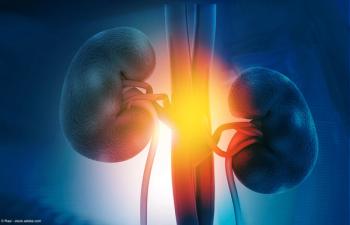
"We think that radiation therapy is one of the best treatment options available for kidney cancer," says Nicholas Zaorsky, MD, MS.
The phase 3 ENLIGHTED trial has reached the 50% patient enrollment threshold.
“Our findings give patients and doctors valuable insights into what to expect after ADT treatment, helping them make informed decisions about managing side effects and improving long-term outcomes," says Amar U. Kishan, MD.