

Initial data from the trial are expected to be released in the first half of 2025.
Initial data from the trial are expected to be released in the first half of 2025.

The redePHine trial is expected to launch in the first half of 2025.

The inclusion of the test is supported by more than 25 studies demonstrating its clinical utility, including 2 studies published earlier this year.

Pluvicto was approved by Health Canada in August 2022.

From baseline to 1 year, the Ki-67 index decreased in the dietary intervention cohort by 15% and increased in the control cohort by 24%.

Age, race, and hormonal contraceptive use did not significantly impact the efficacy of sildenafil cream, 3.6%, in female sexual arousal disorder.
A final decision on marketing authorization is anticipated for Q1 of 2025.
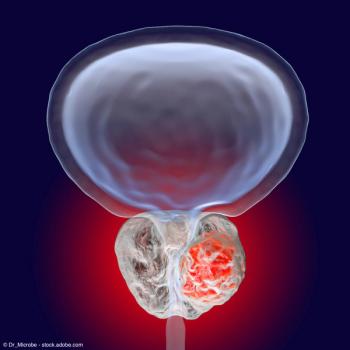
“If approved, this approach has the potential to transform the treatment paradigm in prostate cancer, offering patients with localized disease an effective treatment option that may reduce the risk of disease recurrence," says Glen Gejerman, MD, MBA.
The primary aims for the EVANESCE-II trial are to confirm the safety of the FemPulse System and to establish noninferiority to first-line tolterodine.
Specifically, 90% of patients in the HIFU arm vs 86% of patients in the radical prostatectomy arm were free from subsequent definitive treatment at 30 months.

Cretostimogene grenadenorepvec is an investigational oncolytic immunotherapy for patients with BCG-unresponsive high-risk NMIBC.
The clearance is supported by data from the PRESERVE trial, which evaluated the safety and effectiveness of the NanoKnife System in patients with intermediate-risk prostate cancer.
The overall complete response rate was 74.5% (95% CI, 65.4%-82.4%).

PT217 is currently under investigation in the phase 1/2 SKYBRIDGE trial in patients with neuroendocrine cancers.
Data showed that all patients achieved a PSA decline of at least 50%.
Ferring has announced the opening of the first clinical trial sites for 2 studies within the ABLE clinical trial program as well as the launch of the phase 1/2 LUNAR trial.

“The combination of pembrolizumab and chemotherapy presents a promising new treatment approach for these challenging-to-treat, rare cancers and could be a major breakthrough for patient care,” says Arnold I. Chin, MD, PhD.

The phase 2 CELLVX-230 trial is exploring the potential of FK-PC101 to delay or prevent prostate cancer recurrence following prostatectomy.
“Our study highlights the potential of epigenomic profiling from a simple blood draw to provide a real-time, non-invasive readout of PSMA expression that corresponds with treatment response," says Jacob E. Berchuck, MD.
“The median DOR of 47.8 months in patients who achieved complete response with JELMYTO provides evidence of robust durability in maintaining control of low-grade UTUC over an extended period,” says Phillip Pierorazio, MD.

The study showed significant reductions in both anxiety and depressive symptoms following the intervention.
Data from the CAPItello-281 trial also showed a trend toward an improvement in overall survival.
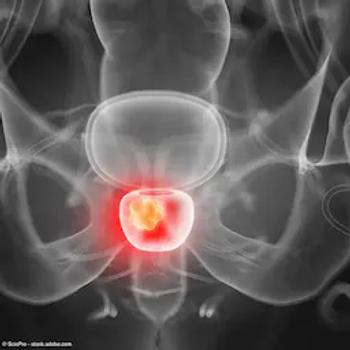
The trial is evaluating the diagnostic performance of copper Cu 64 PSMA I&T PET/CT in men with suspected biochemical recurrence of prostate cancer following treatment with curative intent.
In the recent news release, Koelis reported that the final patient was enrolled in the VIOLETTE study in September 2024.
The sNDA is supported by data from the pivotal phase 3 ARANOTE trial.
“Prostate cancer patients with life expectancies of less than 5 or 10 years were being subjected to treatments that can take up to a decade to significantly improve their chances of surviving cancer, despite guidelines recommending against treatment," says Timothy J. Daskivich, MD.
Initial results on ADI-270 are anticipated for the first half of 2025.
At the time of data cutoff, 71% of patients achieved a complete response following treatment.
The primary objective is to compare the detection rate of sites of prostate cancer recurrence between the 2 agents.
Data demonstrated wide variation in the proportion of patients recommended for testing and showed that barriers to testing remain.