
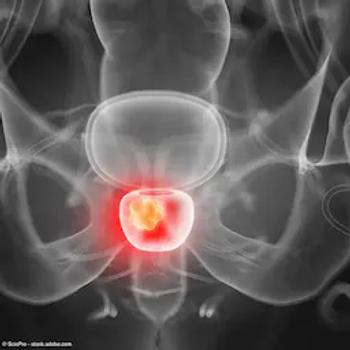
In total, 40.3% of patients experienced a change in staging between initial assessment on conventional imaging and PSMA PET.
In total, 40.3% of patients experienced a change in staging between initial assessment on conventional imaging and PSMA PET.
The planned sBLA will seek approval of Anktiva for patients with BCG-unresponsive NMIBC in the papillary indication.

The NDA is supported by data from cohort 2 of the phase 2b SunRISe-1 trial.

The Mona Lisa 2.0 platform has been previously approved in the US, Australia, and Singapore.

“In this phase 2 study, an image-guided adaptive strategy enabled radiotherapy dose escalation to over 86% of patients’ bladder tumors without significant increase in toxicity,” wrote the authors.

In a recent study of the RELIEF stent, 95% of patients showed no VUR following stent placement.
The PDUFA target action date has been set for August 29, 2025.

The Expander-2 trial is intended to provide data that will support submission of the device for regulatory approval.
The test can provide results in 48 minutes for diagnostic insights for conditions such as hypogonadism, impotence, polycystic ovarian syndrome, and other androgenital syndromes.
"We expect to initiate patient dosing in the second quarter of this year, with initial three-month [complete response] data to follow," says Doug Warner.
9MW2821 was previously awarded a breakthrough therapy designation as a monotherapy for locally advanced or metastatic urothelial carcinoma.

Following an initial dose of VIR-5500 of 120 µg/kg or higher, all patients achieved a PSA reduction.
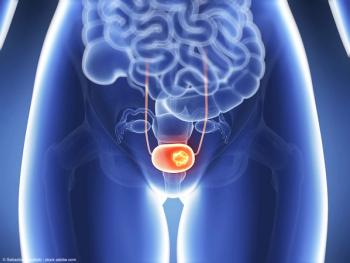
At a median follow-up of 33.2 months, the confirmed objective response rate was 73.2%.

The NMPA’s approval was supported by data from the phase 3 EV-302 trial.

Sunobinop resulted in a reduction in urinary urgency, urinary frequency, and incontinence episodes over the treatment period compared with placebo.
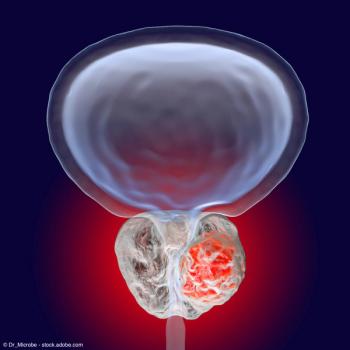
The application is supported by data from the pivotal phase 3 ARANOTE trial.

The J-code became effective on January 1, 2025.
“However, it was informative to uncover such a high number of metastatic findings in a well-defined cohort of patients resembling the EMBARK trial population that was supposed to only include those without metastases," says Adrien Holzgreve, MD, MHA.
The detection rate for [99mTc]Tc-HYNIC-iPSMA SPECT imaging was 77.5%.
Among those with Signature II tumors, overall survival was improved among those who received nivolumab compared with those who received everolimus.
The BLA for TLX250-CDx was initially submitted to the FDA in June 2024.
Catch up on all the notable drug and device approvals in urology over the past year.
As the year comes to a close, we revisit some of this year’s top content on the management of renal cancer.
The approval is supported by data from the phase 3 CheckMate-67T trial.
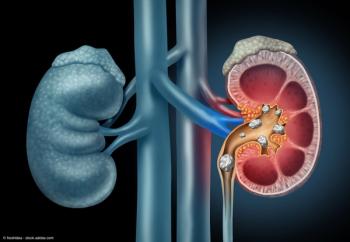
As the year comes to a close, we revisit some of this year’s top content on kidney stone management.

The SURE procedure also demonstrated significantly better outcomes on the study’s secondary end points of stone clearance and residual stone volume.
The approval of vibegron is supported by data from the phase 3 COURAGE trial.
The alert was issued to clarify that the devices should not be used for suction and irrigation.
The investigators found a positive correlation between PSA levels and SUVmax.
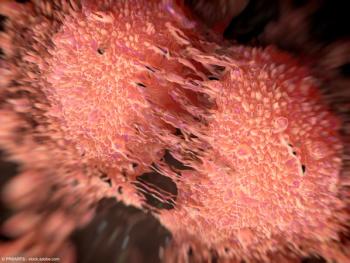
“Our findings highlight the coordinated interplay between GCN2 and p53 regulation during nutrient stress and provide insight into how they could be targeted in developing new therapeutic strategies for [prostate cancer]," write the authors.