

“We are witnessing the dawn of teletreatment,” says Jihad Kaouk, MD, FACS.
“We are witnessing the dawn of teletreatment,” says Jihad Kaouk, MD, FACS.

Enzalutamide plus talazoparib significantly extended overall survival vs enzalutamide alone in mCRPC.

Data showed a significant association between the C allele of the SNP-765G>C of the PTGS2 gene and BPH.

Ian Metzler, MD, discusses developments in imaging and treating stones.

Data from the pivotal CONTINENCE trial showed encouraging efficacy of SCONE neuromodulation therapy.
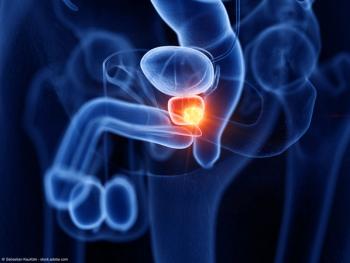
The first patient in the trial will be receiving 67Cu-SAR-bisPSMA in combination with enzalutamide.
“Given the rates in epidemiologic studies and surveys showing that up to 70% of women are symptomatic, we were surprised to find that only 9% [filled] a prescription,” says Ekene Enemchukwu, MD, MPH, FACS, URPS.
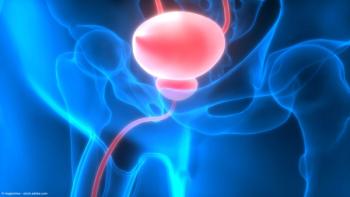
The sBLA is supported by data from cohort B of the pivotal QUILT-3.032 trial.
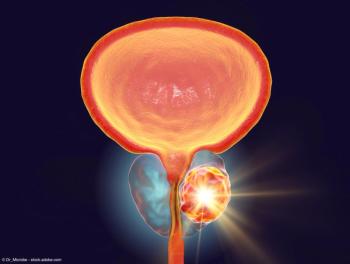
"The goal of the PRECISION study is to ensure that treatment with 3 radiation doses does not lead to greater side effects than those observed in the PACE-B study," says Professor Duncan B. McLaren, MBBS.
Sima P. Porten, MD, MPH, discusses the need to better understand how genetic makeup influences how individuals process environmental toxins.
“I think it will help patients decide what prostate surgery they want,” says Naeem Bhojani, MD, FRCSC.
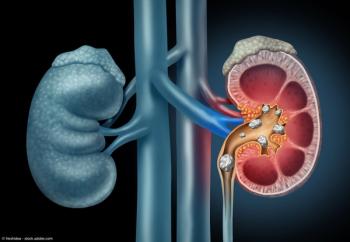
“The technology in the field of stone management is exciting, and I think it offers patients a lot more options than what they've had in the past,” says Brian Stork, MD.

An approach to WVTT involving 1 treatment per prostate lobe was associated with decreased post-operative complications.

"What we found is that 9% of women with a GSM-related diagnosis filled a prescription for vaginal estrogen during the study period, and these women tended to be younger," says Ekene Enemchukwu, MD, MPH, FACS, URPS.

This approval marks the first clearance of a stapler designed for single-port robotic surgery in the US.

"Building on decades of research into the genetic markers of prostate cancer, our study shows that the theory does work in practice—we can identify men at risk of aggressive cancers who need further tests and spare the men who are at lower risk from unnecessary treatments," says professor Ros Eeles.
Betty Wang, MD, provides insight on 3 presentations that she believes “may be game changing” in urology.

"We should not be preemptively reducing the dose for all our patients, because half of the patients will never develop grade 3/4 anemia," says Neeraj Agarwal, MD, FASCO.

In February 2025, the FDA recommended a removal of the black box warning related to an increased risk of adverse cardiovascular outcomes for all testosterone products. This recommendation has important implications for urologists and the patients they treat.

“I think it's primarily due to dietary changes that are more and more prevalent regardless of sex,” says Ian Metzler, MD, MTM.

At week 12, patients in the URO-902 cohorts demonstrated significantly greater improvements in daily microuritions vs placebo.

"“The approval of Gozellix is likely to both streamline and expand access to PSMA-PET imaging, hopefully broadening the distribution and use of gallium 68," says Kelly L. Stratton, MD, FACS.
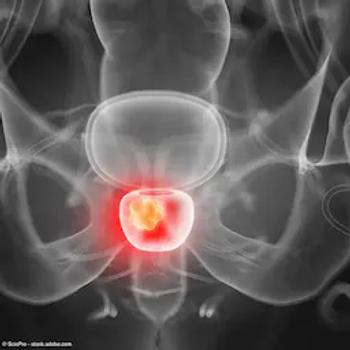
"For every 1 unit increase in whole body tumor SUVmean, there was a 12% decrease in the risk of an rPFS event and a 10% decrease in the risk of death," says Phillip H. Kuo, MD, PhD, FACR.
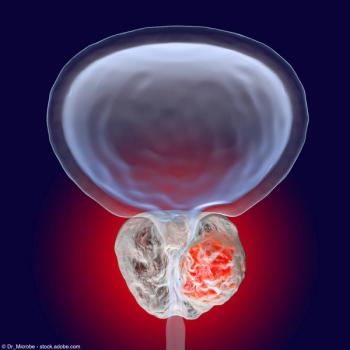
"This finding reinforces PROSTOX ultra as a true measure of the biological response to radiation, independent of treatment era or technique that can identify the safest course of treatment to avoid toxicity," says Amar U. Kishan, MD.
“To find a therapy that's all encompassing, that manages all of this in a long-term fashion, low-dose vaginal estrogen is the preferred treatment,” says Ekene Enemchukwu, MD, MPH, FACS, URPS.

A lookahead of the notable FDA decisions and conferences slated for Q2 2025.
"This study was an investigator initiated study, and what they wanted to do was a randomized trial for large prostates, so 80 to 180 grams, between Aquablation and prostate enucleation," says Naeem Bhojani, MD, FRCSC.
"This is another tool in our armamentarium to treat muscle-invasive bladder cancer and represents an advance compared to where we've been over the past few decades," says Matthew D. Galsky, MD.

“The differences in patient experience between UroLift System and Rezūm, particularly in terms of early recovery, sexual function, and overall satisfaction, are key considerations for both clinicians and patients selecting a treatment path," says Mark Rochester, MD, FRCS.
"We demonstrate that patients with metastatic disease stayed on therapy longer—a median of 9 months vs 7 months for the non-metastatic patients," says Rana R. McKay, MD, FASCO.