Articles by Rana R. McKay, MD
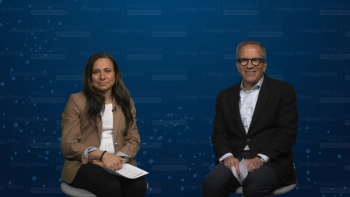
In this video, Neal D. Shore, MD, FACS, and Rana R. McKay, MD, FASCO, address the clinical positioning of darolutamide (Nubeqa) plus ADT in mHSPC, the favorable safety profile of darolutamide, and the importance of multidisciplinary involvement in prostate cancer management.
Neal D. Shore, MD, FACS, and Rana R. McKay, MD, FASCO, present the primary rPFS and key secondary OS results from ARASEC and contextualize the findings within the broader darolutamide (Nubeqa) evidence base.
In this segment, Rana R. McKay, MD, FASCO, and Neal D. Shore, MD, FACS, detail the 6 prognostic variables used for propensity score matching, the mechanics of 1:1 patient pairing, and the practical advantages of the ARASEC design over a large randomized phase 3 trial.
Rana R. McKay, MD, FASCO, and Neal D. Shore, MD, FACS, explain ARASEC's use of a synthetic historical control arm derived from the CHAARTED trial, a design approach they describe as both ethically necessary and methodologically efficient.
Rana R. McKay, MD, FASCO, highlights phase 2 data on radium-223 dichloride plus cabozantinib for patients with renal cell carcinoma with bone metastases.
In this video, Neal D. Shore, MD, FACS, and Rana R. McKay, MD, FASCO, discuss the evolving treatment landscape for metastatic hormone-sensitive prostate cancer and the clinical rationale for evaluating darolutamide (Nubeqa) plus ADT in a US patient population.
Rana R. McKay, MD, FASCO, shares results from the ARASEC study, which evaluated darolutamide plus ADT in mHSPC using a novel external control-arm design.
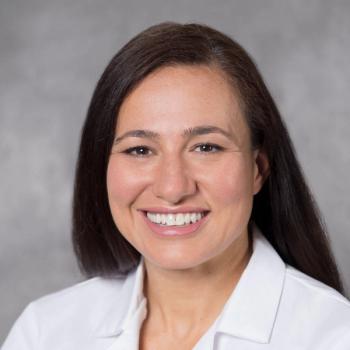
Rana R. McKay, MD, FASCO, highlights notable takeaways from the COMRADE trial, assessing the combination of olaparib plus radium-223 in CRPC.

Rana R. McKay, MD, FASCO, outlines findings from a study looking at the somatic, germline, and immunologic landscapes of UTUC and UCB tumors.
Rana R. McKay, MD, FASCO, details the key efficacy and safety findings from the phase 2 COMRADE trial.
"We demonstrate that patients with metastatic disease stayed on therapy longer—a median of 9 months vs 7 months for the non-metastatic patients," says Rana R. McKay, MD, FASCO.
"Radium-223 continues to have a very significant role for patients with advanced castration-resistant prostate cancer," says Rana R. McKay, MD, FASCO.
"Our findings highlight that completing 5 cycles or more of radium was associated with a 2- to 5-fold increase in overall survival," says Rana R. McKay, MD, FASCO.
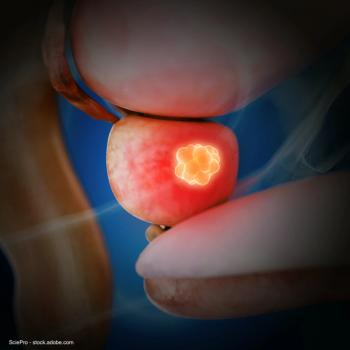
Many factors play into decision-making process when weighing agents.
Patients with cancer are particularly susceptible to negative consequences of COVID-19.



