
"We concluded that to improve cost-effectiveness, prostate cancer screening strategies should focus on reducing false positives and overdiagnosis," says Roman Gulati, MS.
"We concluded that to improve cost-effectiveness, prostate cancer screening strategies should focus on reducing false positives and overdiagnosis," says Roman Gulati, MS.
Benjamin L. Maughan, MD, PharmD, highlights key studies presented at the 2024 ASCO Annual Meeting regarding biomarkers and the evolution of first-line treatments in renal cell carcinoma.
The BLA submission is supported by findings from the phase 3 ZIRCON trial, which demonstrated high specificity and sensitivity of TLX250-CDx for PET/CT imaging of ccRCC.

"Ultimately, it is best to report CPT 50548 (only) for the performance of a typical laparoscopic nephroureterectomy," write Jonathan Rubenstein, MD, and Mark Painter.
“Over the 4-year period since first-line protocol therapy initiation, [patients treated with] nivolumab plus cabozantinib achieved a 1.5-times longer mean TFS vs sunitinib," says Charlene Mantia, MD.
Data from a phase 1 study of KPG-121 were also recently presented at the 2024 ASCO Annual Meeting.
“Overall, our results continue to support the use of lenvatinib and pembrolizumab as a current standard treatment option in the first-line treatment of [patients with] kidney cancer," says Viktor Grünwald, MD, PhD.
"The main finding from this network meta-analysis is the ranking of the 4 treatment approaches that we considered," says Scott Morgan, MD, MSc, FRCPC.
The study reported a median rPFS of 8.8 months among 23 adult patients with previously treated, progressive mCRPC.

"Ensuring equal access to genomic tumor testing and precision medicine treatments may be a viable strategy to help close the well-described gaps in prostate cancer outcomes between Black and White men," says Luca F. Valle, MD.

"From a learning curve standpoint, there's not much to learn. It tends to be fairly quick in terms of your ability to do the procedure," says Matthew E. Sterling, MD.
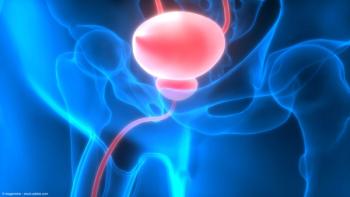
“CORE-001’s excellent efficacy, long-term durability of response, and favorable benefit-to-risk-ratio profile seen with combination cretostimogene and pembrolizumab suggest the potential for a novel bladder-sparing therapy in the BCG-unresponsive NMIBC setting,” said Roger Li, MD.

The change was made following the submission of a real-world evidence study showing that 5- to 10-year overall survival following robot-assisted radical prostatectomy was comparable to that of non-robotic radical prostatectomy.
"We hope this study encourages a national acceptance of active surveillance as an effective management strategy for prostate cancer,” says Daniel Lin, MD.
No statistically significant difference was seen in progression-free survival among those who received metformin vs those who received placebo.

“The HERCULES trial is the first trial to demonstrate the efficacy of immune checkpoint inhibitors in [patients with] advanced penile cancer with [a] manageable safety profile," says Fernando Cotait Maluf, MD.
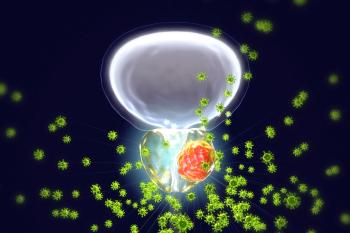
Results presented from a phase 1/2 trial of ARV-766 demonstrated efficacy and tolerability in patients whose metastatic castration-resistant prostate cancer progressed after androgen receptor pathway inhibitor therapy.
Circulating kidney injury molecule-1 (KIM-1) may be a biomarker for minimal residual disease, disease recurrence, and benefit from adjuvant atezolizumab in patients with renal cell carcinoma at increased risk of recurrence, according to a retrospective analysis of the phase 3 IMmotion010 trial.

“The PRO data presented here complements the published clinical efficacy and safety data, add the patient's voice, and support the use of EV/pembro for patients with locally advanced/metastatic urothelial cancer," says Shilpa Gupta, MD.
Updated findings from cohort H of the EV-103 study showed promising 2-year event-free survival outcomes and favorable antitumor activity with enfortumab vedotin in cisplatin-ineligible patients with muscle-invasive bladder cancer.
A post-hoc analysis of the phase 3 ARAMIS trial provided additional efficacy evidence for darolutamide in nmCRPC, including benefits related to prostate cancer–specific survival and reaching a PSA level <0.2 ng/mL.
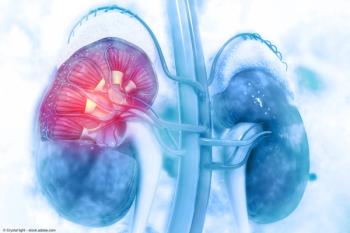
Patients with advanced renal cell carcinoma treated with TKIs in the second or third line following lenvatinib treatment showed modest activity, highlighting the need for improved treatment options.
A retrospective cohort of patients with metastatic urothelial cancer who received prior enfortumab vedotin had low efficacy when treated with sacituzumab govitecan, with the best outcomes coming from directly sequencing the 2 agents.
“For patients who received darolutamide plus ADT and docetaxel, minimal differences in post-progression survival were observed between first subsequent therapies," said Marc-Oliver Grimm, MD.
In the EMBARK trial in patients with nonmetastatic hormone-sensitive prostate cancer, patients with good PSA responses at 37 weeks had their treatment suspended until their PSA started to rise again.
Adding cabazitaxel to abiraterone acetate and prednisone significantly reduced the risk of disease progression or death in patients with mCRPC previously treated with ADT plus docetaxel for HSPC.

This monotherapy was safe for all doses and dosing schedules observed in the study and daily doses showed initial antitumor activity.
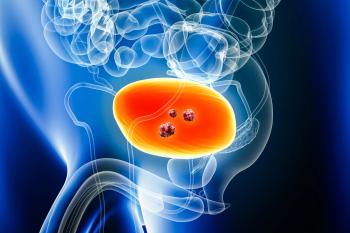
Neoadjuvant therapy with sacituzumab govitecan demonstrated hypothesis generating complete responses following surgery with tolerable toxicity after a protocol amendment requiring a dose reduction and G-CSF prophylaxis for patients with muscle-invasive bladder cancer.
"In the cisplatin-ineligible cohorts, we showed that high event-free survival and overall survival rates can be achieved at 12 and 36 months in patients treated with neoadjuvant avelumab in combination with cisplatin-based chemotherapy," says Jeremy Blanc, MD.