
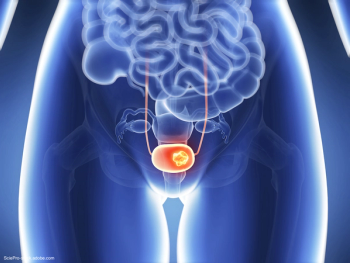
The combination use of niraparib plus abiraterone and prednisone continued to improve outcomes in patients with metastatic, castration-resistant prostate cancer and HRR gene alterations.
The combination use of niraparib plus abiraterone and prednisone continued to improve outcomes in patients with metastatic, castration-resistant prostate cancer and HRR gene alterations.
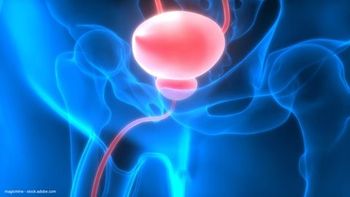
In the the phase 2 HCRN GU 16-257 trial, 33 patients with muscle-invasive bladder cancer were eligible to forego cystectomy and continue 240-mg maintenance nivolumab monotherapy every 2 weeks for 8 cycles followed by surveillance.

Key benefit to expansion of telehealth lies in expanded access.

Nearly three-fourths of physicians doing contract work reported experiencing little to no burnout.
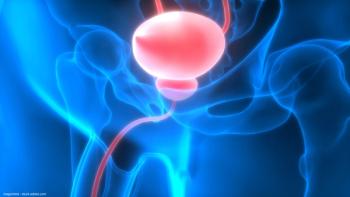
“A majority of patients that present with bladder cancer do not have muscle invasive disease. They have earlier stage, non-muscle invasive, and the NCCN guidelines have detailed guidance for providers about managing those patients,” said Thomas Flaig, MD.
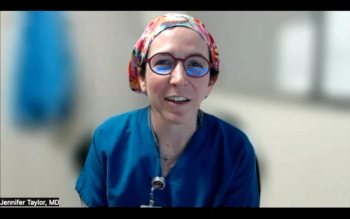
"The interesting thing that's come out of the research that Dr. Lebares has done is that burnout can be countered by mindfulness," said Jennifer M. Taylor, MD, MPH.

An associate professor of Urology at Yale School of Medicine, Dr. Kenney specializes in treating genitourinary cancers, with a particular focus on kidney cancers.

Innovation is at the cornerstone for care in Cleveland Clinic’s Department of Urology, and it’s enabling experts to deliver more personalized approaches to patients.

“Even though we set some priority areas, we also allow practicing urologists to make suggestions for things that they want to know about,” says Amanda North, MD.

"I am prepared and excited to be fully immersed in the health policy work of the AUA as the 2023 Gallagher Scholar," says Denise Asafu-Adjei, MD, MPH.
Amanda North, MD, discusses the AUA census in depth, specifically highlighting the data collected on residents and fellows.

“Almost 1/3 [of telehealth visits] were planned as audio-only, and the healthcare system is no longer going to pay for that. We can use the data from our census to go to Congress and say, 'Hey, you're making a mistake,’” says Amanda North, MD.
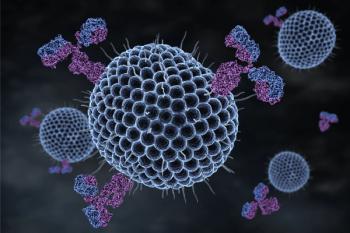
Although cases of acute urinary retention and defecation caused by herpes zoster in the sacral area have been reported, no clinical cases about spontaneous bladder rupture have been previously published, according to the authors.

The latest videos from the American Urogynecologic Society (AUGS).
The latest updates from AUGS.

Join the discussion on Health Reform with world leader in health policy and bioethics, Ezekiel J. Emanuel, MD, PhD, the Vice Provost for Global Initiatives and expert panelists and UCSF leaders.

"I have no doubt we’ll become a destination program. We have a great team. Combined with a few key recruitments, we will be set to take our place on the global stage of urology," says Isaac Y. Kim, MD, PhD, MBA, urology professor and chair, Yale Urology.

The symposium brings together clinicians devoted to solving the disease of cancer and the many challenges associated with it.
Access the latest resources from AUGS
Latest events from AUGS

Yale Urology has ranked among the top 50 urology programs in the nation and #1 in Connecticut in U.S. News & World Report’s just-released listing.

ADT and other mainstays of therapy for men with castration-resistant prostate cancer may be effective in the management of Skene’s gland malignancy, a rare paraurethral adenocarcinoma.

Tosoian is developing the Contemporary Uro-oncologic specimens and Protocols (CUSP) program, which will implement prospective collection of the biospecimens and correlative clinical data essential to basic, translational, and clinical genitourinary cancer research.
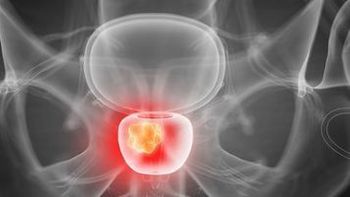
Multiple PSMA-PET imaging agents are approved by the FDA for use in prostate cancer.

Urology areas covered for this FDA clearance include conditions of the prostate, bladder, kidneys, and genitalia.

The SAP program cultivates a community of advocacy groups, medical associations, and medical institutions to foster collaboration and an open exchange of information among trusted peers for the ultimate benefit of patients and their families.

The noninvasive UriFind test identifies bladder cancer based on methylation detection of exfoliated cell DNA in urine.

The federal agency has issued final guidance on how to design studies that include this patient population.
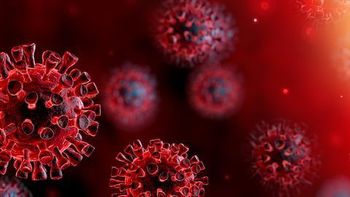
Questions remain surrounding the origin of the global pandemic.

Here are some news items in the urology field you may have missed this week.