
In this "Malpractice Consult" column, Dawn Collins, JD, also discusses cases involving penile pain following cystoscopy, alleged failure to diagnose kidney obstruction, and death follow stent placement.
In this "Malpractice Consult" column, Dawn Collins, JD, also discusses cases involving penile pain following cystoscopy, alleged failure to diagnose kidney obstruction, and death follow stent placement.
Other pipeline products discussed in this round-up include and advanced renal cell carcinoma agent, a bladder cancer detection agent, and a BPH treatment.
While urologists are generally comfortable discussing patients’ sexual orientation, they report that both their knowledge of care of transgender patients and training in such care are lacking.
"All the surgeons I know think that while they may not be the best in the world at what they do, they are clearly above average (think Lake Wobegon, but as adults). Hence, it can be a little disconcerting when data is produced that suggests that at least half of us have room for improvement," writes Henry Rosevear, MD.
A month after Hurricane Harvey’s aftermath, Houston-based urologist Steven Canfield, MD, says his practice is still having to reschedule operating room times to help out with the hurricane-induced OR shortage.
It’s hard to argue against an erectile dysfunction treatment that is potentially disease modifying, is noninvasive, and seems to do no harm. The treatment, low-intensity shock wave therapy, has yet to earn the FDA’s approval but is widely used in other countries. Early results from ongoing U.S. trials are promising.
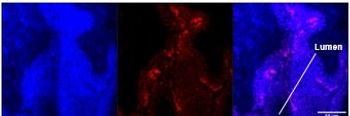
The use of intravesical cisplatin nanoparticles reduces cancer cell proliferation while limiting drug absorption beyond the bladder barrier, according to early findings.

Researchers from The Cancer Genome Atlas Research Network have outlined five distinct expression subtypes of muscle-invasive bladder cancer, each of which may be targetable by different treatments.
In patients with refractory urgency urinary incontinence (UUI), sacral neuromodulation (InterStim) and onabotulinumtoxinA (Botox) produce similar reductions in mean daily UUI episodes, according to 24-month follow-up data on patients treated in a randomized trial.
“The APMs being designed by LUGPA allow for participation by all urologists regardless of their practice setting or affiliation,” explains Alec Koo, MD.
“Care process models… represent a way to decrease variation and waste, and thereby they lead to improved outcomes and significant cost reductions,” says Jay T. Bishoff, MD.
“The answer is to remove the barriers and frustrations that are causing burnout so that physicians can focus on their role as care providers,” advises Paul DeChant, MD, MBA.
Nearly three-fourths of men with very low-risk prostate cancer underwent active surveillance as a primary therapy, according to a study presented at the LUGPA annual meeting in Chicago.
In his health policy briefing, Deepak A. Kapoor, MD, discusses LUGPA’s comments to CMS regarding MACRA and the 2018 Medicare physician fee schedule.
The association and its member groups are “leading the way” in developing urology-specific measures that can be used for MIPS quality reporting, says LUGPA President Neal D. Shore, MD.
Overexpression of a specific pair of genes might provide early warning of prostate cancer patients’ likelihood of progressing to metastatic disease.
If members of the Medicare Payment Advisory Commission have their way, the new Merit-based Incentive Payment System will be sent into oblivion, never to be heard of again.
A recently proposed bill “offers transparency measures that provide stakeholders further elucidation of how money moves through the pharmaceutical supply chain,” writes the AACU’s Brian Henderson.
About one-fourth of patients with interstitial cystitis/bladder pain syndrome have Hunner lesions in the bladder visible on cystoscopy.
In this interview, urologist Francis J. McGovern, MD, discusses the scope of the problem of opioid abuse, outlines opioid-sparing strategies, and explains what the future holds in this area.
Mitomycin C instillation within 24 hours after transurethral resection of non-muscle invasive bladder cancer significantly reduces the risk of recurrence and delays the time to recurrence.
Repeated hydrodistention as therapy for interstitial cystitis has a low complication rate and does not decrease bladder capacity over time.
"Urologists need to be ever more vigilant to protect the private information under their custodianship," writes Robert A. Dowling, MD.
New research may pave the way for a form of nerve stimulation for refractory overactive bladder that is home based and less invasive than current neuromodulation approaches.
In men with clinically low-risk prostate cancer managed in community-based urology practices, utilization of active surveillance as initial management is higher among those who undergo genomic testing.
“I’d like to see [the American Board of Urology] do something to make the process more applicable to our practice,” says one urologist.
"The ABU is committed to evolving a [life-long learning] program that diplomates find relevant and less burdensome. We will always welcome diplomates’ feedback regarding this evolving program," writes H. Ballentine Carter, MD.