

Richard N. Schlussel, MD, discusses how advances in robotic surgery and artificial intelligence are expected to transform care in pediatric urology.
Richard N. Schlussel, MD, discusses how advances in robotic surgery and artificial intelligence are expected to transform care in pediatric urology.

Mina M. Fam, MD, discusses the significance of the FDA's recent approval of tebipenem pivoxil for patients with complicated urinary tract infections.

The approval is supported by data from the phase 3 PIVOT-PO trial, in which tebipenem demonstrated noninferiority to imipenem-cilastatin.

Objective performance indicators in robotic surgery are providing the first quantitative framework for evaluating surgical technique, according to Michael Stifelman, MD, professor and chair of urology at Hackensack Meridian Health, whose early prostatectomy data link specific intraoperative metrics to functional outcomes—while governance frameworks, cultural adoption, and the prospect of real-time intraoperative guidance define the near-term challenges and long-term trajectory.

Anjali Kapur, MD, discusses a post-market analysis of the safety of the eCoin implantable tibial nerve stimulator for patients with urge urinary incontinence.

CAN-2409 plus valacyclovir significantly improved disease-free survival compared with placebo plus valacyclovir.

Sonam Saxena highlights a study on factors that may predict failure of robotic ureteroplasty with buccal mucosa graft.

Sonam Saxena discusses recent findings on trends in surgery vs active surveillance for localized kidney cancer.

Mina M. Fam, MD, discusses some of the common misconceptions that patients have when seeking testosterone replacement therapy.

The PRELUDE trial is assessing oncological outcomes with neoadjuvant 177Lu-PSMA-617 in high-risk, localized prostate cancer.

The website is meant to educate patients and their caregivers on several aspects of the kidney cancer journey.

The Kidney Cancer Resource Center is a collaborative effort by Hackensack Meridian Health’s leading experts in the field of renal cell carcinoma.

"For urologists that are interested in implementing Aquablation into their armamentarium, I am very envious, because anyone who is going to start doing Aquablation now is going to be using the HYDROS System," says Ravi Munver, MD.

The investigators found that only 2 (1.4%) urology programs and 12 (5.3%) OB/GYN programs included female sexual dysfunction content.

"Aquablation can be used for small, medium, large, and extra-large prostates," says Ravi Munver, MD.

"Aquablation is like no other transurethral therapy that has come about in the last 100 years," says Ravi Munver, MD.

"[Aquablation] is the only therapy that offers the benefits of a true resective therapy, which is what it is, as well as a non-resective therapy," says Ravi Munver, MD.

“We believe this is going to be the next rendition of how we can train physicians, as well as make surgeons more effective at their job,” says Nitin K. Yerram, MD.

“These allow us to treat just those areas of cancer, maintaining much better preservation of sexual function and less incontinence,” says Kevin R. Basralian, MD.

“What we've shown with our data and through our experience, is that by using this technology, we're able to preserve more normal kidney and disrupt less of the normal kidney,” says Michael D. Stifelman, MD.

“We think artificial intelligence has a wide variety of applications that will benefit urologists both in and out of training,” says Mubashir S. Billah, MD.

“It's the next evolution of being able to provide precision care for our patients in the area of prostate cancer,” says Nitin K. Yerram, MD.

"What we believe is happening is women are seeking the help of female urologists, and therefore, because of the nature of the condition, the female urologists are absorbing the burden of the care of these patients, particularly the non-billable burden," says Debra L. Fromer, MD.

“One of those gigs was the New York section of the AUA, we did a fundraising event, which was a battle of the bands with 2 other urology departments that had bands as well,” says Debra Fromer, MD.

Urogynecologists focus on female pelvic medicine and reconstructive surgery, handling issues related to the pelvic floor and bladder.

Event to raise funds for urologic research, education and innovation.
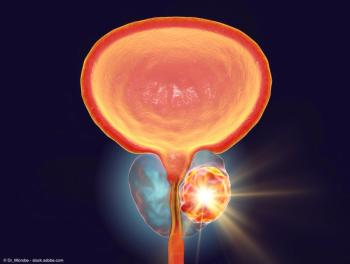
The Focal One high intensity focused ultrasound system uses precision sound waves to destroy prostate tumor tissue and spare healthy tissue, reducing the risk of side effects that would lower a patient's quality of life.
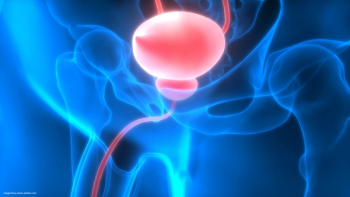
“Aquablation is safe and effective based on several years of research,” said urologist Zein K. Nakhoda, MD.

Press Release
From urologic oncology and pediatric oncology to single port robotic surgery, the Department of Urology team is celebrating several achievements.
"The main advantage of the Lithovue Elite is that it allows for intrarenal and intraureteral pressure monitoring," says Ravi Munver, MD.