

News|Videos|December 6, 2025
Choosing salvage therapy after prostate cancer focal ablation
Author(s)Kelly L. Stratton, MD, FACS
Fact checked by: Hannah Clarke
For patients undergoing salvage surgery or radiation, Kelly L. Stratton, MD, FACS, notes that previous focal therapy can influence outcomes.
Advertisement
Episodes in this series


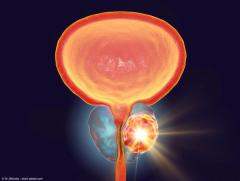

Among the sessions featured at the 2025 Society of Urologic Oncology Annual Meeting in Phoenix, Arizona, was a case discussion, “Recurrence after Focal Therapy and Salvage Prostatectomy.” In this video interview, Kelly L. Stratton, MD, FACS, an assistant professor of urologic oncology in the University of Oklahoma Department of Urology and an adjunct assistant professor of medical oncology at the Stephenson Cancer Center, explains that although focal therapy for prostate cancer is increasingly popular, some patients will experience persistent or recurrent cancer, making salvage treatment an important topic. The best salvage approach depends on several individualized factors:
• type of focal therapy received and extent of prostate tissue treated
• characteristics of the recurrence (location, risk category, imaging appearance)
• changes caused by the initial ablation, such as prostate shrinkage, which may affect the feasibility and complexity of salvage surgery.
Stratton emphasizes a personalized approach: evaluating imaging (including MRI and prostate-specific membrane antigen [PSMA]-PET), performing targeted biopsy to confirm recurrence, and assessing whether the disease has spread. Options may include:
• active surveillance
• repeat focal/ablative therapy
• radiation therapy
• salvage prostatectomy.
For patients undergoing salvage surgery or radiation, he notes that previous focal therapy can influence outcomes. Urinary control after salvage prostatectomy is often similar to primary surgery, but nerve preservation may be more difficult due to tissue changes from the ablation.
Stratton stresses the importance of reviewing the patient’s pre-treatment disease features, changes after ablation, and aligning treatment decisions with goals such as cancer control, quality of life, continence, and erectile function. Advances in imaging—especially PSMA-PET—help determine whether repeat focal therapy is appropriate or whether patients should transition to whole-gland treatments like surgery or radiation.
Advertisement
Related to this article

An analysis of NRG/RTOG 0815 found Decipher predicted distant metastasis risk and identified patients with greater benefit from short-term ADT.
Brian Mazzarella, MD, discusses the landscape for intermediate-risk prostate cancer and early VAPOR 2 findings on water vapor ablation.

Juan Gómez-Rivas, MD, discusses barriers to PSMA-PET imaging and how disparities in access may affect prostate cancer staging and treatment planning.
Mark D. Tyson, II, MD, MPH, reviews emerging bladder-sparing therapies for NMIBC, highlighting cretostimogene data, treatment sequencing, and the need for comparative trials.

Exploratory analyses suggest persistent immune remodeling after aglatimagene plus radiation in localized prostate cancer.

John P. Sfakianos, MD, discusses how ctDNA can be optimally integrated into bladder cancer clinical trials.

The phase 3 BiPASS trial is evaluating the use of 68Ga-PSMA-PET in combination with MRI for pre-biopsy prostate cancer detection.

In RTOG 3506, adding enzalutamide to standard ADT and salvage radiotherapy was associated with 2-year PFS benefit.
Advertisement
Advertisement
Trending on Urology Times
1
Avoiding False Positives on Prostate Cancer PSMA PET Scans
2
2026 AUA/SUO NMIBC guideline: Key updates for clinical practice
3
Decipher may help identify ADT benefit in intermediate-risk prostate cancer
4
AUA South Central Section Meeting: Mark D. Tyson, II, MD, MPH, recaps data in NMIBC
5