

The study compared the 2 procedures over 24 months of follow-up.
Cheryl Guttman Krader is a contributor to Dermatology Times, Ophthalmology Times, and Urology Times.
The study compared the 2 procedures over 24 months of follow-up.

Steroid sulfatase inhibition showed early activity as a precision option in castrate-resistant prostate cancer, including the potential to enhance response to enzalutamide.

Intravesical instillations prevent recurrence of non–muscle-invasive bladder cancer.

Significant improvements in BPH-related lower urinary tract symptoms were observed with the system.

72.9% of patients with papillary disease achieved high-grade recurrence-free survival at 3 months after initial treatment.

Study results show wide variation in stent placement following ureteroscopy.
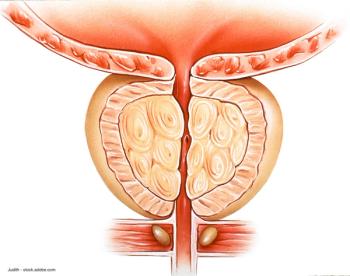
Only 1.5% of patients undergo repeat surgical intervention for BPH recurrence.

Neither oral nor gel testosterones show significant effect on liver function test results.

The treatment improves markers of nonalcoholic fatty liver disease, an investigator reports.

Findings from a systematic literature review further our understanding of the prevalence of distinct clinical states of advanced prostate cancer, their association with homologous recombination repair (HRR) gene alterations, and the use of testing methods to identify HRR gene alterations, researchers say.

The benefits of holmium laser enucleation of the prostate with MOSES-enabled pulsed laser modulation justify its consideration as the gold standard surgical treatment for lower urinary tract symptoms related to benign prostatic hyperplasia, according to Amy E. Krambeck, MD.

Findings from a study characterizing the providers and services offered by stand-alone commercialized men’s health clinics should be eye-opening and alarming for urologists, said Jagan K. Kansal, MD, MBA, at the American Urological Association 2020 Virtual Experience.

Analyses of data from a multi-institutional registry show that blue light cystoscopy using hexaminolevulinate HCl (Cysview) detects invasive bladder tumors that are missed by white light cystoscopy in an appreciable number of patients.

Women with mixed urinary incontinence seeking surgical intervention for refractory urinary urge incontinence have the same low risk of subsequently needing surgery for stress urinary incontinence whether they are treated with intradetrusor onabotulinumtoxinA (BTX [Botox]) injections or sacral neuromodulation.

Patients using anticholinergic medications for the management of overactive bladder (OAB) are at increased risk of new-onset dementia compared with individuals treated with the beta-3 agonist mirabegron (Myrbetriq), according to findings of a new population-based, retrospective study published online March 13, 2020, in BJU International.

After meeting the primary endpoint in a phase 3 study, Myovant Sciences submitted a New Drug Application to the FDA seeking approval of relugolix, an oral nonpeptide gonadotropin-releasing hormone receptor antagonist, as a once-daily treatment for men with advanced prostate cancer.

“The outcomes and experience in the PROfound trial… represent major progress in the treatment of advanced prostate cancer that historically has not been considered amenable to genomic mutation-targeted therapy,” says Maha Hussain, MD.

New results from a study investigating infigratinib in patients having metastatic urothelial carcinoma with activating FGFR3 mutations and/or fusions indicate that the investigational selective fibroblast growth factor receptor 1 to 3 (FGFR1-3) tyrosine kinase inhibitor may have greater activity for treating upper tract urothelial carcinoma than for urothelial carcinoma of the bladder.

Christina Yi, chief operations officer at Dendreon, discussed the efforts being made by the biotech company and its employees to meet the needs of patients with advanced prostate cancer who have chosen treatment with sipuleucel-T (Provenge).

Results from 2 years of follow-up in men undergoing proton beam therapy for localized prostate cancer suggest that treatment with the rectal hydrogel spacer (SpaceOAR) provides better rectal sparing than rectal balloon immobilization.
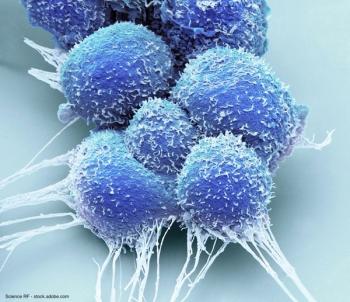
Stereotactic body radiation reduced the likelihood for future PSA rises and significantly prolonged survival in men with oligometastatic prostate cancer (≤3 metastases), according to recently published findings from ORIOLE, a phase II, multicenter, randomized, observation-controlled trial.

Findings from a longitudinal cohort study provide an evidence base for counseling patients about pain and recovery following ureteroscopy for nephrolithiasis.

Single-access percutaneous nephrolithotomy can clear the vast majority of staghorn stones with minimal morbidity, said Tim Large, MD, at the 2019 World Congress of Endourology and SWL in Abu Dhabi.
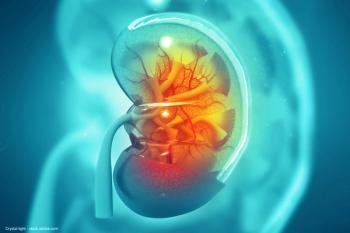
Pharmacotherapy for reducing risk of stone recurrence is best reserved for patients with more aggressive disease who are at higher risk for another stone-related event, said Brett A. Johnson, MD, at the 2019 World Congress of Endourology and SWL in Abu Dhabi.

Recommendations on opioid prescribing after endourologic and minimally invasive urologic surgery from an expert panel should help urologists align individual prescribing habits with current evidence, reduce opioid overprescribing, and provide a framework for refining patient-centered guidelines for opioid stewardship in urology, said Kevin Koo, MD, MPH, MPhil.

A simple intervention aiming to curb the contribution of postoperative pain medication prescribing to the opioid crisis was shown to reduce post-discharge opioid prescribing and use and increase opioid disposal without seeming to jeopardize pain control for patients who had undergone radical prostatectomy.

Urologists must differentiate between bladder outlet obstruction and pure OAB in male patients, according to Osvaldo F. Padron, MD.
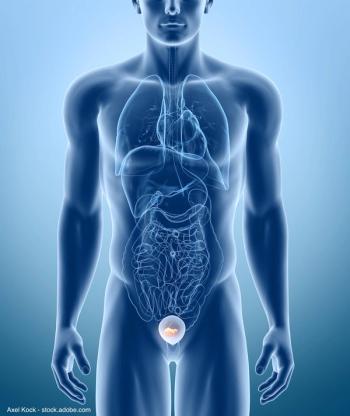
“Our study showed that at least with the regimen used in our trial, patients can have chemotherapy in addition to radiotherapy without any fear that it will impair their quality of life,” says researcher Robert A. Huddart, MD, PhD.

“In the OLYMPUS trial, more than half of patients receiving the gel had complete regression of their cancers, and most of the responses were durable. Based on these results, if UGN-101 is approved, it can be strongly considered as a kidney-sparing option for a challenging cancer," says John L. Gore, MD, MS.

“The results of our retrospective study support taking advantage of the Cxbladder test to identify patients who should be further evaluated for cancer and to spare those who likely do not have cancer from an unnecessary workup," says Badrinath Konety, MD, MBA.