





OAB and Incontinence
Latest News
Advertisement
Latest Videos




Advertisement
More News

The device can now be marketed throughout the EU, as well as in Iceland, Liechtenstein, and Norway.

The study also showed that sexual function was comparable for women with SUI who received single incision sling versus those who underwent transobturator midurethral sling.
The implantable tibial neuromodulation device is being assessed at 8 clinical sites in the United States.

Odds of having UI were 56% higher in women with vs women without diabetes.
Vibegron (Gemtesa) is approved by the FDA for the treatment of adult patients with overactive bladder with symptoms of urge urinary incontinence.

Ninety-eight percent of the study population was female.

“The 2-year results are very impressive and underline what SNM can offer to patients with UUI," said Andrea M. Pezzella, MD.

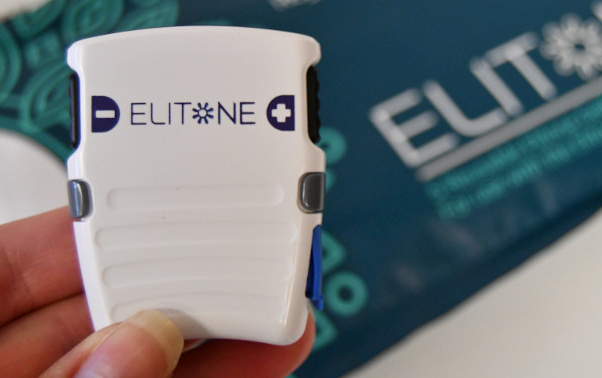
The rechargeable implantable neurostimulator is approved for the treatment of patients with urinary and bladder dysfunction.
The updated label expands the range of MRI scan parameters and allows a briefer waiting period between MRI scans.

"We typically do urodynamics when something’s unclear and confusing. I don’t always do urodynamics before doing a sling," says 1 urologist.

Chris Du, MD, discusses findings from a study published in Neurourology and Urodynamics.

Acute urinary retention is not uncommon among men who undergo placement of a proprietary transobturator sling (AdVance) for management of postprostatectomy SUI. Still, it is rarely persistent, according to a recent study.

Investigators conducted a systematic literature review and meta-analysis assessing the impact of 3 months or longer anticholinergic use on the risk of multiple subtypes of incident dementia

“Listen. Be emphatic. Be transparent,” Pansy Uberoi, MD, MPH, advises in this interview.

The approval was based on the phase 3 EMPOWUR trial.

Experts in prostate cancer, bladder cancer, kidney stones, OAB/incontinence, BPH, and sexual dysfunction recap all the key advances from 2020.

“Some women described not being told any risks of the surgery… while other women did recall having risks described,” says investigator Pansy Uberoi, MD, MPH.

The findings support continued investigation of the safety and efficacy of mirabegron in men with OAB and concurrent ED, says study author Arthur L. Burnett, II, MD, MBA.

An application for the eCoin device has been submitted to the FDA for regulatory approval.

The FDA is considering an application for vibegron for the treatment of patients with OAB with symptoms of urge urinary incontinence, urgency, and urinary frequency.

The risk of stricture recurrence was higher with endoscopic surgery compared with urethroplasty.
These 5 overactive bladder research papers were recently published in peer-reviewed academic journals.

Investigators observed a median 74% reduction in urinary incontinence episodes at 1 year for women undergoing group-based pelvic floor muscle training compared with a 70% reduction in women undergoing individual PFMT.

"Patients undergoing midurethral sling placement are ideal for postoperative virtual visits," writes Priya Padmanabhan, MD, MPH.

A new trial is exploring whether CLARIX CORD 1K, a cryopreserved umbilical cord allograft, can contribute to a faster return of erectile function and urinary continence after robot-assisted radical prostatectomy.
Advertisement
Advertisement
Trending on Urology Times
1
Managing BPH Before Prostate Radiotherapy: Options Compared
2
FAQs: The 2026 AUA Guideline on Medical Management of Kidney Stones
3
FDA grants RMAT designation to EG110A for neurogenic detrusor overactivity
4
PSMA-PET in clinical practice: Juan Gómez Rivas, MD, on barriers to access
5