





Prostate Cancer
Latest News
Advertisement
Video Series


Latest Videos





Shorts

0:50
Stephen Freedland, MD, discusses significance of EMBARK OS data
9 months ago
by
Stephen J. Freedland, MD

0:47
Monique Roobol, PhD, MSc, on what ERSPC data reveal about PSA screening
9 months ago
by
Monique Roobol, PhD, MSc
1:15
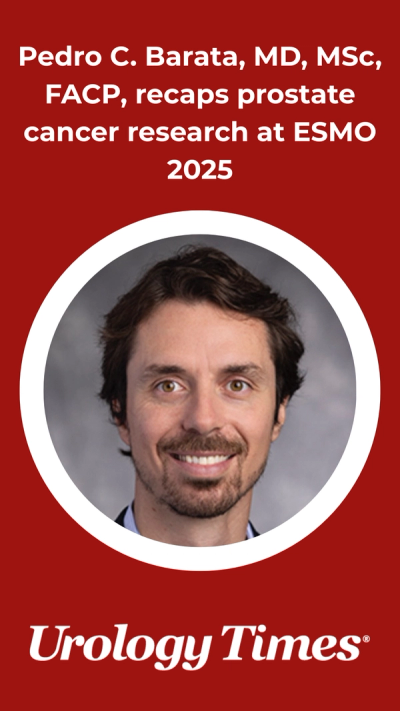
Pedro C. Barata, MD, MSc, FACP, recaps prostate cancer research at ESMO 2025
9 months ago
by
Pedro Barata, MD, MSc, FACP
0:51
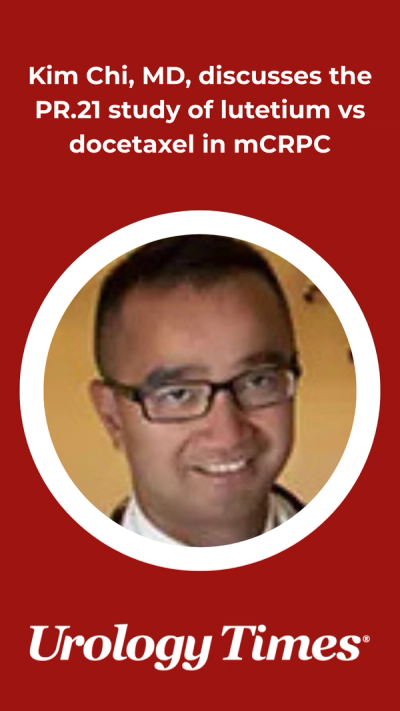
Kim Chi, MD, discusses the PR.21 study of lutetium vs docetaxel in mCRPC
9 months ago
by
Kim Nguyen Chi, MD, FRCPC

2:03
Sean P. Collins, MD, PhD, discusses rectal spacers and biochemical recurrence in prostate cancer
9 months ago
by
Sean P. Collins, MD, PhD

0:45
Veeru Kasivisvanathan, MBBS, BSc, discusses AI's potential role with prostate MRI
10 months ago
by
Veeru Kasivisvanathan, MBBS, BSc, FRCS, MSc, PGCert, PhD

1:43
Pearls & Perspectives: Bone Health in the Patient with Prostate Cancer
10 months ago
by
Vahan Kassabian, MD

1:09
Pearls & Perspectives: Caring for the Patient with Prostate Cancer
10 months ago
by
Amy M. Pearlman, MD

0:49
Pearls & Perspectives: The Ideal Candidate for Focal Therapy
10 months ago
by
Amy M. Pearlman, MD
Podcasts


CME Content








Advertisement
More News

Median OS was 28 months (95% CI, 13-NR) in arm 1, 37 months (95% CI, 26-NR) in arm 2, and 68 months (95% CI, 38-NR) in arm 3.
Austin Kirschner, MD, PhD, discusses the recent US commercial launch of the PROSTOX Standard test and its potential to inform radiation treatment decisions for patients with prostate cancer.
PROSTOX Standard estimates the risk of late genitourinary toxicity following conventionally fractionated or moderately hypofractionated radiation therapy for localized prostate cancer.

Bourlon outlines what to watch for in prostate, urothelial, kidney, and testicular cancer.

Across 7 randomized trials, 177Lu-PSMA-617 significantly prolonged progression-free survival vs standard therapies, with no significant difference in adverse events.

Despite early termination of the trial, its results provide scientific rationale for further investigation into targeting alternative AR domains in mHSPC.
A newly published meta-analysis found that adding metastasis-directed therapy to standard of care was associated with extended progression-free survival in oligometastatic prostate cancer, without adding significant safety risks.
The phase 2 Alliance A222001 trial demonstrated that oxybutynin led to clinically meaningful improvements in hot flash frequency and quality of life among men receiving hormone therapy for prostate cancer.

The following FAQs highlight key guideline recommendations relevant to clinicians regarding the early detection of prostate cancer.

URO-1’s FDA-cleared SUREcore and coreCARE prostate biopsy devices have been adopted at multiple Novant Health hospitals as part of a systemwide value analysis.



A recap of the FDA submissions and regulatory decisions in urology from January 2026.

ANDROMEDA is looking to build on previous findings from the LUNAR trial in recurrent, oligometastatic prostate cancer.
Cooled laser focal therapy with the ProFocal Device showed promising cancer control in patients with localized prostate cancer.

Regarding acceptable risk thresholds, Alam describes himself as relatively risk-averse, favoring a 5% to 10% miss rate for Grade Group 2 or higher disease when considering biopsy avoidance.

In this episode, Amy Pearlman, MD, speaks with Phillip M. Pierorazio, MD, about integrating mindfulness and wellness into a demanding surgical career and the evolving complexities of modern prostate cancer care.

The combination was tolerable and demonstrated promising early efficacy as a 3rd-line option for patients with mCRPC.

The report highlights key trends in cancer treatment and outcomes, including detailed analyses across 3 cancer types: prostate, esophageal, and melanoma.
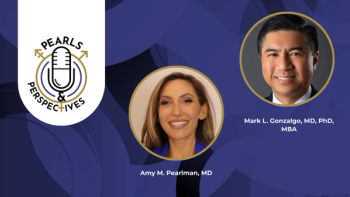
Gonzalgo explores how prostate cancer diagnosis and management continue to evolve.
Alam frames PHI and MRI as noninvasive tools that help refine risk before proceeding to biopsy.

The results highlight the early clinical potential of the device for restoring erectile function post-prostatectomy.
The ARID platform is evaluating the safety and efficacy of the Voro Urologic Scaffold in minimizing stress urinary incontinence following robot-assisted radical prostatectomy.
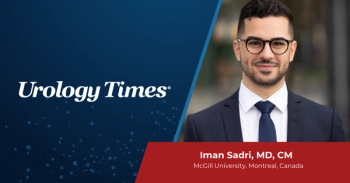
Iman Sadri, MD, discusses novel nerve grafting strategy for erectile dysfunction after prostatectomy
Iman Sadri, MD, CM, discusses a somatic-autonomic nerve grafting technique for patients with persistent erectile dysfunction after radical prostatectomy.
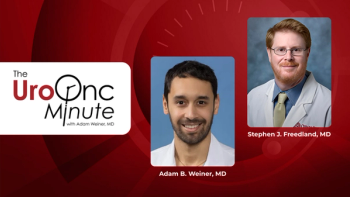
In this episode of The UroOnc Minute, host Adam B. Weiner, MD, speaks with Stephen J. Freedland, MD, about the role of diet and nutrition in prostate cancer risk and outcomes.
Advertisement
Advertisement
Trending on Urology Times
1
Experts discuss the challenge of detecting CIS in bladder cancer
2
Phase 3 trial launches of CAIX-targeted radiopharmaceutical for ccRCC
3
FDA grants tentative approval to generic olaparib tablets across previously approved indications
4
Study shows durable 3-year outcomes with first-line gemcitabine/docetaxel in NMIBC
5