



Prostate Cancer
Latest News
Advertisement
Latest Videos





CME Content








Advertisement
More News

Treatment failure occurred in 46% of patients in the high-risk group vs 21% of patients in the low-risk group.

Enolen is currently under investigation in a phase 1 trial to assess its safety and efficacy in delivering enzalutamide locally into the prostate.

One of the most notable changes is a new thematic structure within urologic oncology.

Jim C. Hu, MD, MPH, discusses the functional advantages of a posterior approach to endopelvic neurovascular total sparing (PATENTS) robotic-assisted radical prostatectomy.

A recap of the FDA submissions and regulatory decisions in urology from December 2025.

Daniel Spratt, MD, discusses how the ArteraAI Prostate Test (Post-RP) could help guide treatment intensification decisions.

The forum underscored the importance of multidisciplinary collaboration in managing advanced prostate cancer.

As the year comes to a close, we revisit some of this year’s top content on prostate cancer.

In this episode, Timothy Daskivich, MD, joins host Adam Weiner, MD, to discuss survivorship and long-term quality-of-life considerations in prostate cancer care.
FDA approves rucaparib for chemotherapy-naïve, BRCA-mutated mCRPC
Published: | Updated:
The approval is supported by data from the TRITON3 trial.

A key theme throughout the forum was the importance of assessing disease volume and clinical presentation at diagnosis.

Clinical strategies for treating metastatic castration-sensitive prostate cancer
Published: | Updated:
When discussing treatment goals, clinicians underscored the importance of individualizing systemic therapy.

This episode offers practical insights for clinicians navigating complex prostate cancer cases and underscores how precision imaging and tailored radiation strategies are redefining care for patients with advanced disease.
The approval is supported by data from the phase 3 AMPLITUDE trial.

"If 2025 showed us anything, it is the power of combining scientific progress with public engagement," writes Michael S. Cookson, MD, MMHC, FACS.

The pilot study plans to enroll patients with locally recurrent prostate cancer across clinical trial sites in the US.

The phase 1 study will assess the safety and feasibility of SPECT/CT imaging with [111In]In-ART-101.

The primary end point is overall survival, with secondary end points including PSA response metrics, progression measures, PSA kinetics, and several ctDNA assessments to help identify which patients benefit most.

Arvin K. George, MD, discusses the unique design of the VAPOR 2 trial and the key findings from the first 110 patients enrolled.

For patients undergoing salvage surgery or radiation, Kelly L. Stratton, MD, FACS, notes that previous focal therapy can influence outcomes.

TULSA patients were treated and discharged the same day.
Stratton emphasized that the trial’s results provide greater confidence in recommending therapy and allow clinicians to counsel patients more decisively about next steps when PSA begins to rise.

Following treatment with SYNC-T, all bone metastases had resolved in 7 of the 13 patients.
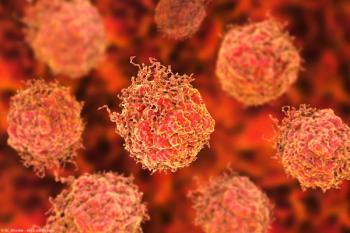
The data come just days after the FDA approved IsoPSA to aid in the diagnosis of high-grade prostate cancer.

For micro-ultrasound compared with true cancer status, estimated sensitivity was 0.8000.
Advertisement
Advertisement
Trending on Urology Times
1
Kathryn Gessner, MD, PhD, on the challenges of selecting patients for bladder preservation
2
First-in-human bladder transplant demonstrates sustained function at 6 months
3
Study shows durable 3-year outcomes with first-line gemcitabine/docetaxel in NMIBC
4
Department of Defense announces annual testosterone deficiency screening for service members
5