

"This brief review captures the evolving role of miRNAs, focusing on their clinical relevance and implications as well as future directions for more effective targeted therapeutic interventions," write the authors.
"This brief review captures the evolving role of miRNAs, focusing on their clinical relevance and implications as well as future directions for more effective targeted therapeutic interventions," write the authors.

Catch up on all the notable drug and device approvals in urology over the past year.

"The final rule for 2025 poses several challenges to urology. Lobbying efforts to preserve telehealth access and the CF will continue, perhaps dragging into 2025," write Jonathan Rubenstein, MD, and Mark Painter.

"If you tapped into your emergency fund for any reason this year, it is important to make sure the account is replenished," writes Jeff Witz, CFP.

In total, the study plans to enroll 84 adult patients across clinical trial sites in the United States and Australia.

A rapid reduction in E coli in the urine was observed among 10 of 16 evaluable patients at 4 hours following the first treatment.
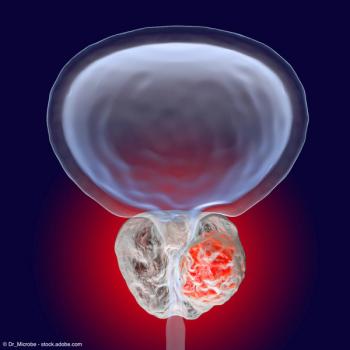
The NDA submission is supported by data from a single-arm, phase 3 trial of leuprolide mesylate administered as 2 injections, 3 months apart.

The RMAT designation is supported by interim data from the ongoing phase 1 TRAVERSE trial.

None of the videos mentioned the long-term impact of exogenous testosterone on spermatogenesis.

SMSNA 2024 abstract data show shockwave therapies and platelet-rich plasma, either alone or in combination, may be promising treatments for ED.

“The take-home message…is it doesn't matter whether you put the reservoir in the ectopic location or the prevesical location. Patients tend to be satisfied in both locations,” said Mohit Khera, MD, MBA, MPH.

“Before and after implant, we noted a statistically significant increase in both the length and the girth,” said Peter J. Arnold, MD.

"The landscape of prostate cancer management has evolved significantly over the past 30 years, with [active surveillance], advances in imaging and genetics, and improvements in the treatment of high-risk disease marking key areas of progress," writes Michael S. Cookson, MD, MMHC.
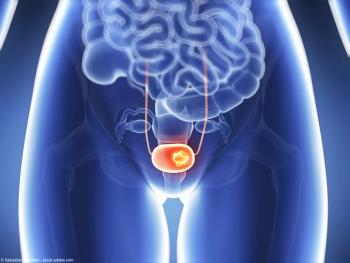
The recommended phase 2 dose was determined to be rogaratinib at 600 mg in combination with atezolizumab at 1200 mg.

In the experimental arm, 41% of patients had an undetectable PSA level at week 48 vs 16% in the control arm (OR=3.88; 95% CI, 1.61-9.38, P = .002).

At a median follow-up of 44.8 months, median DFS in the pembrolizumab arm was 29.6 months vs 14.2 months in the observation arm.