
3. Terence Friedlander, MD, provides clinical insights on factors that inform the role for androgen deprivation therapy in the treatment of patients with localized or locally advanced prostate cancer.
3. Terence Friedlander, MD, provides clinical insights on factors that inform the role for androgen deprivation therapy in the treatment of patients with localized or locally advanced prostate cancer.
Experts on prostate cancer discuss the heterogeneity of the disease and the rationale for using medications with different mechanisms of action, including androgen deprivation therapy.
Lawrence Karsh, MD, FACS, introduces a discussion on prostate cancer and androgen deprivation therapy with an overview of how the treatment landscape has changed in recent years.

"We saw that Black men within this cohort had lower Decipher scores across all ages and Gleason scores different than what had been reported in other data sets, which was interesting," says Samuel L. Washington III, MD, MAS.
"One of the main summaries/focuses of this discussion was, how do we create action to improve screening, and what that actually means," says Samuel L. Washington III, MD, MAS.

Patients who scored in the highest quintile of plant-based diet index scores had a 47% lower risk of prostate cancer progression compared with those in the lowest quintile.

"In the moment, I think it's important to take a deep breath and try not to just be reactive," says Anne M. Suskind, MD, MS, FACS, FPMRS.

The median radiographic progression-free survival with FG-3246 in mCRPC was 8.7 months.

"The happier you are in your personal life, I think, the better you are as a doctor, and the better you are as a doctor, the better you can be in your personal life," says Anne M. Suskind, MD, MS, FACS, FPMRS.

"You could look at a person and say that they're extraordinarily successful...but they can be completely miserable," says Anne M. Suskind, MD, MS, FACS, FPMRS.

"It sounds so cheesy to just say it, but if you're really feeling grateful, you can't feel anything of a lower vibration or frequency at the same time," says Anne M. Suskind, MD, MS, FACS, FPMRS.

"Robotic surgery has some major advantages. One that rises to the top is that your magnification is anywhere from 10x-15x higher," according to Laurence S. Baskin, MD.
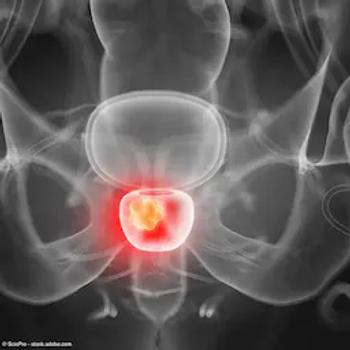
The conference explored the current and future use of PSMA-PET imaging and PSMA radioligand therapy to improve the clinical care of patients with prostate cancer.

"The world has a way of sending you the same message until you get it, and burnout is the same way. It's going to keep coming at you until you acknowledge it," says Anne M. Suskind, MD, MS, FACS, FPMRS.
"These data really show that even in the patients who upgrade and have more severe disease than were initially expected, even if their surgery was delayed for 12 months after having this upgraded diagnosis, these patients did just as well from a recurrence perspective, compared to patients who got surgery right away," says Kevin Shee, MD, PhD.

"I think that at any point, everyone is somewhere on that spectrum," says Anne M. Suskind, MD, MS, FACS, FPMRS.

"In our multivariate analysis, we actually found that there was no significant difference between the groups," says Kevin Shee, MD, PhD.

"It's no surprise that there are many people interested in active surveillance and how we can be doing it better," says Kevin Shee, MD, PhD.

The conference, “PSMA PET and RLT: Present and Future," is taking place online and in-person in San Francisco on January 18 and 19, 2024.
"There is a real importance for qualitative research and understanding the patient's experience and voice whether it's incontinence or any other condition," says Lindsay A. Hampson, MD, MAS.

"For the first 3 years that people join us, there's a whole program set up for them to help assimilate them into the culture, get them the resources that they need, make sure that they're meeting their benchmarks and goals," says Anne M. Suskind, MD, MS, FACS, FPMRS.

"Ask about leakage and talk about options," says Lindsay A. Hampson, MD, MAS.

"I think as urologists that treat incontinence, both Dr. Shaw and I probably have the experience of talking to many men who actually never pursue surgical treatment for their incontinence, but they still want to understand what the options are," says Lindsay A. Hampson, MD, MAS.
"I think the main [finding] that continues to strike me working with Dr Hampson on this type of work is how different individual incontinence is for the patient who is experiencing it," says Nathan M. Shaw, MD.

“[We can use] the study to help further those arguments that we should be able to make our clinical decisions based on the patient's presentation, a risk-benefit discussion between patient and physician, and not based on what insurance companies will pay for,” says Michelle E. Van Kuiken, MD.

“Probably one of the most meaningful findings was that insurance type did influence the choice of medication first prescribed by urologists for overactive bladder,” says Michelle E. Van Kuiken, MD.

“The main rationale for this research was we felt like there was an unaddressed population of patients living with urinary incontinence,” says Nathan M. Shaw, MD.
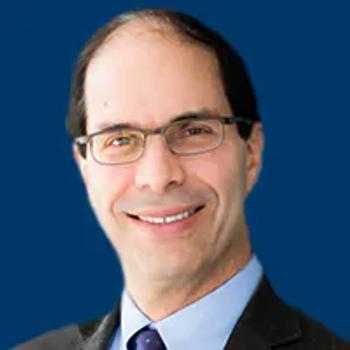
Eric J. Small, MD, is an international leader in prostate cancer research and has published more than 430 peer-reviewed articles.

“I love helping people to connect with their passions and to find and create the lives that they wish to create, both within the field of medicine and urology,” says Anne M. Suskind, MD, MS, FACS, FPMRS.

"Rather than receiving definitive radiation treatment for localized disease, these patients may have received treatment aimed at preventing the further spread of what was incorrectly identified as metastatic disease," says Thomas Hope, MD.