

Angela B. Smith, MD, MS, highlights key takeaways from the session, “Time Efficiency and Productivity Hacks for the Busy Urologist,” which was presented at the 2024 AUA Annual Meeting.
Angela B. Smith, MD, MS, highlights key takeaways from the session, “Time Efficiency and Productivity Hacks for the Busy Urologist,” which was presented at the 2024 AUA Annual Meeting.

"BCG worked well enough that we could give it to patients and it worked pretty well. But having the shortage, I think, has ultimately led to a bottleneck and then an explosion in the technology and the resources and the techniques to treat patients with non–muscle-invasive bladder cancer," says Joshua J. Meeks, MD, PhD.

“We can all learn and collaborate from each other, that way we can continue to provide really great care for our patients,” says Mary W. Dunn, MSN, NP-C, OCN, RN.

Mark D. Tyson, II, MD, MPH, shares interim findings from the BOND-003 trial, evaluating cretostimogene grenadenorepvec in patients with high risk, papillary only, BCG-unresponsive non–muscle-invasive bladder cancer.

Hiten D. Patel, MD, highlights the background and trial design for the study, “A Prospective Diagnostic Cohort Study to Compare the Accuracy of Renal Mass Biopsy, PEER, and 99mTc-sestamibi SPECT/CT for Patients with Clinically Localized Renal Tumors (BIOPSy)."

Neal D. Shore, MD, shares what he's most looking forward to at this year's American Urological Association Annual Meeting.
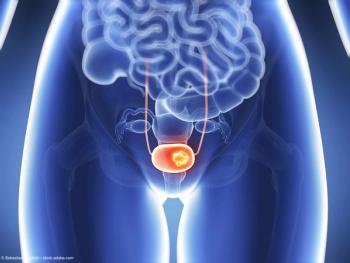
"Ultimately, we found that in this retrospective evaluation, there was no significant difference in recurrence-free survival in those who are treated with gemcitabine and docetaxel as compared to BCG," says Ryan L. Steinberg, MD.
Urologists provide an overview of diagnostic tests for patients with kidney cancer, highlighting lab tests, imaging, and considerations for biopsy.
Neal Shore, MD, FACS, and Brian M. Shuch, MD, introduce themselves and discuss the growing incidence of kidney cancer, the general prognosis, and early signs and symptoms.
Jaideep S. Sohi, MD, shares his vision for the future of PSMA-PET imaging in prostate cancer.

“There is great interest in looking at all these targeted interventions in the earlier stages to lower the burden of care that patients go through and to some degree that urologists and other health care professionals in this in this realm go through,” says Surena F. Matin, MD.

“It's a system that is still not being used to its maximum capability, which is exciting. That means we can continue evolving,” says Jaschar Shakuri-Rad, DO, FACOS.

“What we find here was that of the patients who had FGFR3 alterations, 67% of them had tumors that responded,” says Surena F. Matin, MD.
Kevin M. Wymer, MD, highlights 11 studies in stone disease being presented at the 2024 American Urological Association Annual Meeting.

Dean S. Elterman, MD, MSc, FRCSC, highlights several studies in BPH being presented at the 2024 AUA Annual Meeting.

Our expert panel provide insightful discussion on the power of multidisciplinary expertise in advanced prostate cancer.
Drs. McKay and Shore discuss novel agents under investigation and their potential to target androgen receptor signaling and slow metastasis in patients with metastatic and castration-resistance prostate cancer.
This segment delves into targeting the androgen receptor pathway and conquering treatment resistance for potential breakthroughs in managing advanced prostate cancer
Expert perspectives on androgen receptor signaling and its role in fueling prostate cancer metastasis along with a whiteboarding animation depicting this process.
Drs. Shore & McKay discuss treatment selection for metastatic & castration-resistant prostate cancer, the current landscape, and key factors guiding personalized treatment decisions.
GU medical oncologist Dr. Rana McKay and urologist Dr. Neal Shore explore how predictive biomarkers and genetic testing are informing risk assessment and guiding personalized treatment decisions in clinical practice.
An expert provides an overview of metastatic prostate cancer, including information on how it advances, patient prognosis, and what factors influence outcomes.
Adam B. Weiner, MD, highlights several studies in prostate cancer set to be presented at the upcoming 2024 American Urological Association Annual Meeting.

"Within this paper, we discussed the importance of conservative management and lifestyle modifications as initial steps in managing BPH," says Eiftu S. Haile, MD.

In this final iteration of a 3-part series, Shawn H. Marhamati, MD, MS, shares initial insights into benefits of Aquablation in an ASC environment.

Karine Tawagi, MD, highlights several studies in bladder cancer being presented at the 2024 American Urological Association Annual Meeting.

"Alpha-blockers are often, for patients, the first line of treatment because they help quickly relax the smooth muscles in the bladder and the prostate," says Eiftu S. Haile, MD.
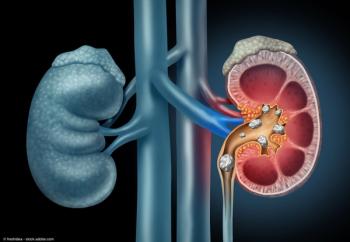
“I cannot overstate the impact of this device on my management of kidney stone patients," says J. Stuart Wolf, Jr., MD, FACS.
"For those who do enucleations, I think I would encourage people to highly consider adopting an apical release technique if they haven't," says Daniel J. Heidenberg, MD.
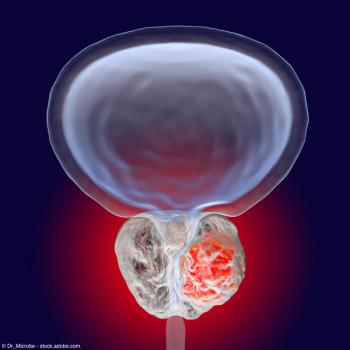
"Prostate radiotherapy is obviously widely available, inexpensive, generally [with] a mild toxicity profile. So I think it's a reasonable option in that scenario in patients who present with de novo low-volume disease," says , Scott Morgan, MD, MSc, FRCPC.