
Opinion|Videos|June 10, 2025
The Use of Ultra-Low PSA in Specific Patient Profiles
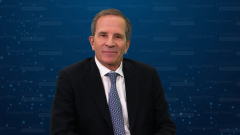
Author(s)Neal Shore, MD, FACS
Research explores the effectiveness of Aerote in treating metastatic hormone-sensitive prostate cancer, focusing on patient subgroups and genetic factors.
Advertisement
Episodes in this series
Patient Selection for Ultra-Low PSA Monitoring
Key Themes:
- Identification of patient profiles most likely to benefit from ultra-low PSA monitoring
- Relevance for specific risk categories
- Potential applications in high-volume disease or triplet therapy
Expert Insights:
- Dr Shore identified specific patient profiles or risk categories where the ultra-low PSA threshold might be particularly valuable.
He discussed its potential relevance for patients with high-volume disease, those receiving triplet therapy, or patients demonstrating rapid initial PSA declines.
Advertisement
Related to this article

Updated CAPItello-281 data support capivasertib plus abiraterone in PTEN-deficient mHSPC, according to Daniel J. George, MD.

Benjamin Garmezy, MD, discusses personalizing mHSPC treatment intensification based on disease burden, molecular biomarkers, and patient-specific factors.

Biomarkers including HRR mutations, PTEN loss, and PSMA expression can guide triplet selection in mHSPC, according to Benjamin Garmezy, MD.

Alicia Morgans, MD, discusses ARACOG findings on cognitive outcomes with darolutamide vs enzalutamide and the influence of genetic dementia risk.

Aaron Berger, MD, discusses patient selection for ARPI treatment holidays, monitoring during interruptions, and the role of testosterone recovery in interpreting PSA kinetics.

Tamim Niazi, MDCM, reviews DASL-HiCaP findings showing improved metastasis-free survival with darolutamide added to ADT and radiation therapy.

Chad Ritch, MD, discusses differences between PSMA-PET imaging agents and the need for further evidence to guide clinical decision-making.
Chad Ritch, MD, discusses how PSMA-PET informs patient management across different stages of the prostate cancer journey.
Advertisement
Advertisement
Trending on Urology Times
1
PTEN loss: From biomarker to treatment strategy in mHSPC
2
Q&A: Gary Kirsh, MD, on health policy for independent urology
3
Modern BCG outperforms historic benchmarks in high-risk NMIBC
4
Q&A: Suzanne B. Merrill, MD, FACS, on treating high-risk NMIBC
5