

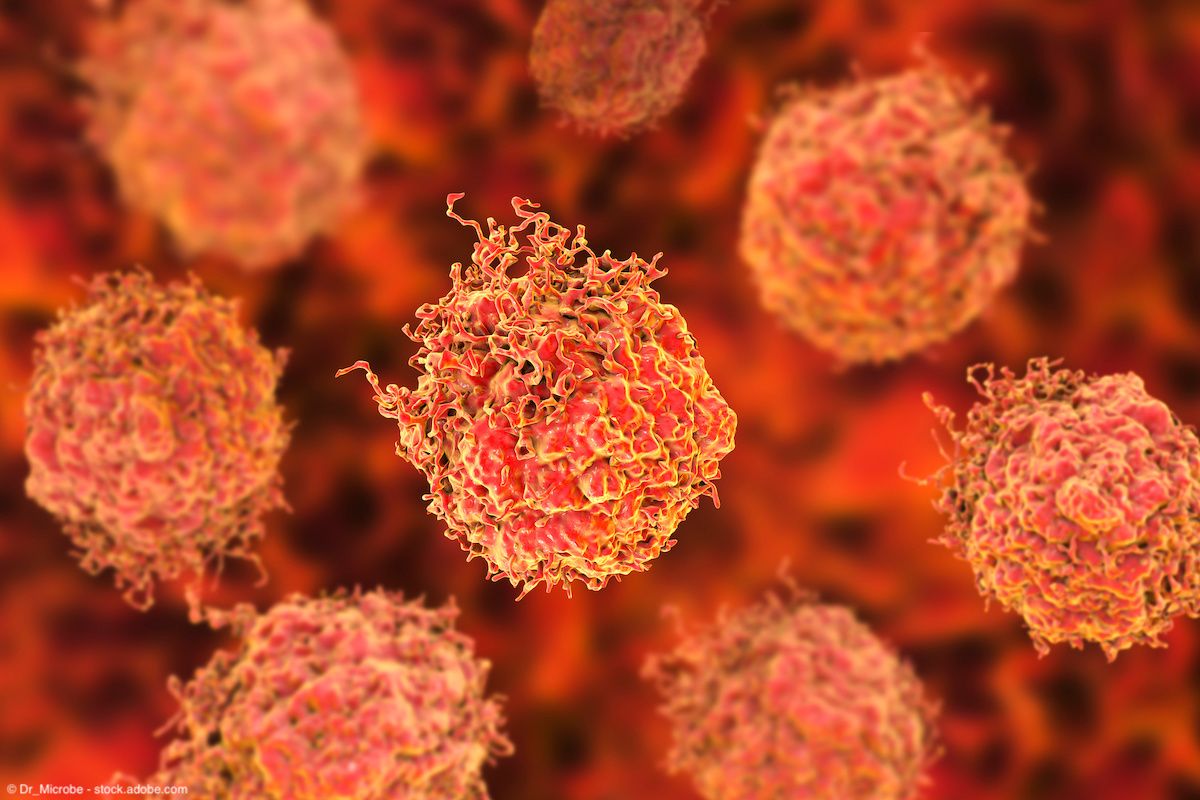
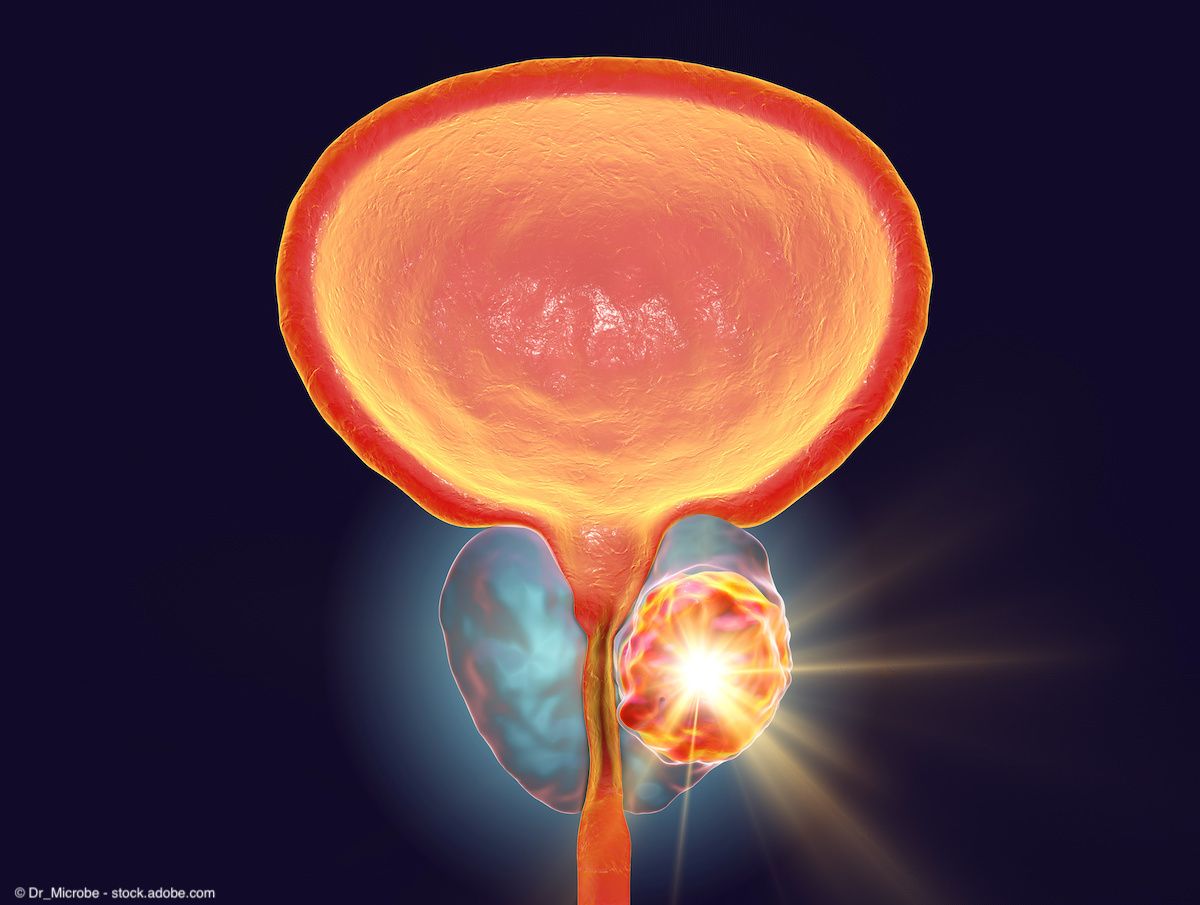


Prostate Cancer
Latest News
Advertisement
Latest Videos





CME Content








Advertisement
More News

The panel discusses how PSMA-PET imaging informs treatment decisions for patients with prostate cancer.

Focusing on the role of systematic biopsy, the panel provides clinical insights on biopsy practice patterns after encountering suspicious-looking areas on MRI.
Experts on prostate cancer focus on the differences between fusion-guided technologies, highlighting cognitive-based and software-based fusions.
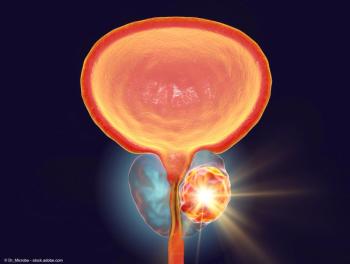
"There's obviously a huge interest in focal therapy for prostate cancer, largely because we want to try to prevent the overtreatment of prostate cancer and also develop better approaches to deliver high-quality treatment options for patients," says Timothy D. McClure, MD.

“Our trial’s preliminary major finding is that PSCA-directed CAR T cells may be effective against mCRPC," says Saul J. Priceman, PhD.
“Again, the importance of this paper to clinical practice is that it gives us real numbers on what the likelihood is of cancer in those patients with PI-RADS 3 or less,” says Jason M. Hafron, MD.
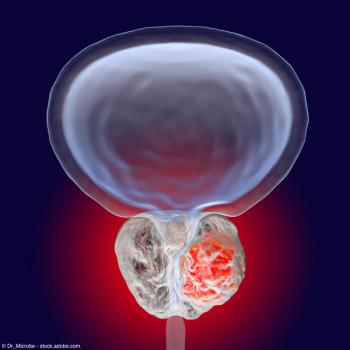
The negative margin rate was 72.8% with UnfoldAI vs 1.6% with SOC, translating to a 45-fold increase in accurately identifying cancer extent with the AI tool.

"To me, the most compelling outcome is really the quality-of-life outcomes. General quality of life as well as emotional quality of life improved in the intervention group significantly," says Jill M. Hamilton Reeves, PhD, RD, CSO.
"We concluded that to improve cost-effectiveness, prostate cancer screening strategies should focus on reducing false positives and overdiagnosis," says Roman Gulati, MS.
Steven Finkelstein, MD, FACRO, discusses PSMA-PET imaging practices for patients experiencing biochemical recurrence.
Experts on prostate cancer offer clinical insights on identifying the appropriate patients for PSMA-PET imaging.
The panel discusses data on the accuracy of MRI-targeted or fusion-based biopsy procedures compared with systemic biopsy or MRI alone.
Firas F. Abdollah, MD, provides insights on how MRI- or fusion-guided technologies are used with transrectal and transperineal biopsy procedures and how they improve traditional biopsy procedures.
Data from a phase 1 study of KPG-121 were also recently presented at the 2024 ASCO Annual Meeting.

“We hope that the survey can be helpful in practice to actually assess and give advice to some of these partners of patients, in addition to the questionnaires that we use for the patients themselves,” says Stacy Loeb, MD, MSc.
"The main finding from this network meta-analysis is the ranking of the 4 treatment approaches that we considered," says Scott Morgan, MD, MSc, FRCPC.
The study reported a median rPFS of 8.8 months among 23 adult patients with previously treated, progressive mCRPC.

The change was made following the submission of a real-world evidence study showing that 5- to 10-year overall survival following robot-assisted radical prostatectomy was comparable to that of non-robotic radical prostatectomy.
"We hope this study encourages a national acceptance of active surveillance as an effective management strategy for prostate cancer,” says Daniel Lin, MD.
Focusing on prostate cancer diagnosis, the panel discusses transrectal and transperineal biopsies and limitations associated with them.
The panel discusses the role of PSMA-PET imaging in prostate cancer and highlights different PSMA agents.
A panel of experts on prostate cancer introduce themselves and begin the discussion with clinical insights on diagnostic practices and the importance of biopsy and imaging in guiding treatment decisions.
A panel of experts on prostate cancer provide an overview of conventional imaging modalities that have been used in the initial staging and management of prostate cancer and discuss the role of PSMA-PET imaging.
The IND acceptance will initiate the launch of a phase 1 trial to evaluate the safety, tolerability, and preliminary anti-tumor activity of 225Ac-FL-020 in patients with mCRPC.

"I think [these are] important data to [give to] your patients," says Laura Bukavina, MD, MPH.
Advertisement
Advertisement
Trending on Urology Times
1
Experts discuss the challenge of detecting CIS in bladder cancer
2
Study shows durable 3-year outcomes with first-line gemcitabine/docetaxel in NMIBC
3
Phase 3 trial launches of CAIX-targeted radiopharmaceutical for ccRCC
4
Kathryn Gessner, MD, PhD, on the challenges of selecting patients for bladder preservation
5