
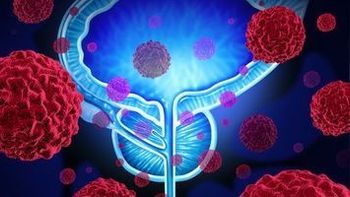
The phase 2 HCRN GU16-257 trial explored the bladder-sparing regimen of TURBT plus nivolumab and chemotherapy in patients with muscle-invasive bladder cancer.
The phase 2 HCRN GU16-257 trial explored the bladder-sparing regimen of TURBT plus nivolumab and chemotherapy in patients with muscle-invasive bladder cancer.

A 1-year bladder-intact disease-free survival rate of 89% was observed across the entire phase 2 study cohort.

The health-related quality of life data come from the phase 3 CLEAR trial. The FDA is currently reviewing efficacy data from this trial supporting an application for pembrolizumab plus lenvatinib in frontline renal cell carcinoma.

“It could be that the integration of a new treatment modality into the bladder-sparing arena is a tipping point that is needed to really have the community embrace this as a reasonable option for patients with bladder cancer,” says Matthew Galsky, MD.
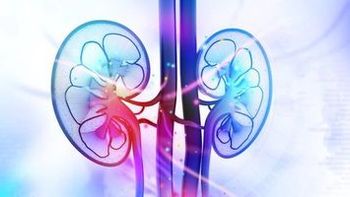
The final KEYNOTE-426 analysis represents the longest follow-up of a checkpoint inhibitor plus a VEGF/VEGFR inhibitor in frontline clear cell RCC, according to the investigators.
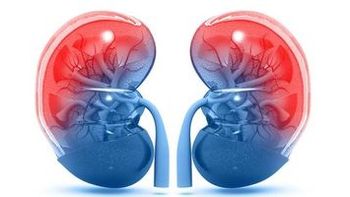
Robert J. Motzer, MD, discusses how the outcomes of the phase 3 CLEAR trial impact the use of pembrolizumab/lenvatinib in patients with renal cell carcinoma.

Avelumab is approved by the FDA for the maintenance treatment of patients with locally advanced or metastatic urothelial carcinoma that has not progressed with first-line platinum-containing chemotherapy.
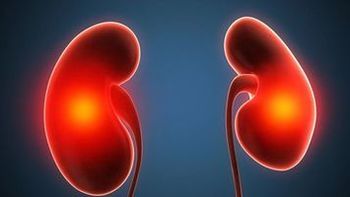
Tivozanib is approved by the FDA for the treatment of patients with relapsed or refractory advanced renal cell carcinoma who have received 2 or more prior systemic therapies.
Viktor Grünwald, MD, discusses a subanalysis of the phase 3 CLEAR trial.

Findings from the phase 3 KEYNOTE-564 trial showed that adjuvant pembrolizumab significantly improved disease-free survival versus placebo in patients with clear cell renal cell carcinoma.