

Data revealed that 49% of prostate cancer signups in clinical trials were among patients newly diagnosed with cancer, compared with 32% among patients with other solid tumors.
Data revealed that 49% of prostate cancer signups in clinical trials were among patients newly diagnosed with cancer, compared with 32% among patients with other solid tumors.

The applications in the EU and Japan are both based on findings from the phase 3 EV-302 trial.
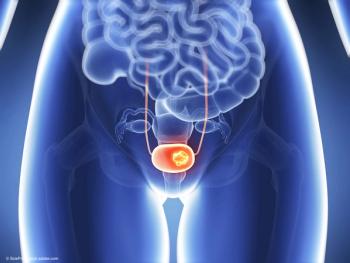
"I predict 2024 will be a banner year for progress in the management of [NMIBC], and not only will we be moving the needle but also turning up the volume in this historically quiet space," writes Michael S. Cookson, MD, MMHC, FACS.
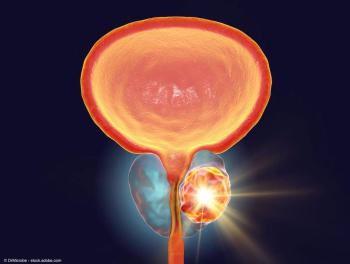
PSMA-PET imaging has successfully disrupted the prostate cancer paradigm and experts agree that unleashing the full potential of this breakthrough requires a multidisciplinary approach.
“Our study provides real-world recurrence and survival rates, [however], a major limitation is the retrospective nature of the analysis,” wrote the investigators, led by Viktor Gruenwald, MD, PhD.

Iterum plans to resubmit a New Drug Application for oral sulopenem for the treatment of patients with uUTi in Q2 of 2024.

The clearance will initiate the phase 2 CELLVX-230 trial, which will assess the therapy in patients with prostate cancer with a high risk of recurrence following prostatectomy.
The application is based on findings from the phase 2 DESTINY-PanTumor02 trial.

Patients in the subcutaneous arm (n = 242) achieved a geometric mean Cavgd28 of 77.373μl/mL (90% CI, 74.555-80.297) compared with 36.875 μl/mL (90% CI, 35.565-38.235) in the IV arm (n = 245), for a geometric mean ratio of 2.098 μl/mL (90% CI, 2.001-2.200).
Overall, the pathological complete response rate among patients who received APL-1202 plus tislelizumab was 39%, compared with 21% among those who received tislelizumab alone.
“Updated efficacy and safety results continue to support pembrolizumab plus lenvatinib as a first-line treatment option for patients with advanced non–clear cell RCC,” lead study author Martin H. Voss, MD.
Patient subgroups that favored nivolumab vs placebo included patients with sarcomatoid features (HR, 0.42; 95% CI, 0.17-1.07), PD-L1 expression of 1% or greater (HR, 0.53; 95% CI, 0.22-1.29), and those with lower limit of normal hemoglobin at baseline (HR, 0.49; 95% CI, 0.25-1.49).
“The benefit of enfortumab vedotin plus pembrolizumab in all prespecified subgroups was consistent with the overall patient population,” said Michiel S. Van Der Heijden, MD, PhD.

Belzutifan extended the time to disease progression and was associated with improvements in QoL scores compared with everolimus.
Adjuvant pembrolizumab prolonged overall survival versus placebo in certain patients with clear cell renal cell carcinoma.

Adjuvant pembrolizumab reduced the risk of disease recurrence or death, but did not improve overall survival, compared with observation in patients with urothelial carcinoma.
Results from the phase 2 PemCab trial showed that the first-line combination elicited promising antitumor activity with tolerable toxicity in patients with advanced urothelial carcinoma, including those who were cisplatin ineligible.

Clinical benefit with olaparib plus abiraterone was observed in patients with BRCA2, ATM, and CDK12 mutations, which were the most prevalent single-gene HRR mutations across all patients treated.

"Certainly germline and somatic is recommended for all mCRPC patients to detect HR gene mutations, and consider options for PARP inhibitors,” says Neal Shore, MD, FACS.
Beyond being highly predictive of future recurrence, uMRD was also shown to enable quantitative evaluation of molecular response to nadofaragene.
Ten-year follow-up data from the GETUG-AFU 18 trial showed that in patients with high-risk prostate cancer, survival outcomes were improved when combining a higher dose of radiation therapy with long-term use of androgen deprivation therapy.

“HRR testing in patients before or at the time of mCRPC [diagnosis] would allow for olaparib therapy earlier in the disease course and potentially greater clinical benefit," wrote Daniel J. George, MD, and colleagues.
The median PFS was 39 months (95% CI, 22-not reached [NR]) in arm 3 compared with 8.4 months (95% CI, 2.9-17.0) in arm 1 and 14 months (95% CI, 8.4-20.0) in arm 2.

Patients in the CONTACT-02 trial had received exactly one prior novel hormonal therapy (abiraterone acetate, apalutamide, darolutamide, or enzalutamide) to treat their prostate cancer.

Drug-related hematological treatment-emergent adverse events were proportionately similar between the EBRT cohort and the those who did not receive EBRT to the bone.

Regarding safety, the investigators did not observe any grade 3 or 4 adverse events during the study.

Compared with placebo, darolutamide was associated with a numerically lower rate of hospitalizations when combined with androgen-deprivation therapy and docetaxel to treat patients with metastatic hormone-sensitive prostate cancer.

"Effective cross-examination can create an implication that an expert’s opinions are motivated by bias or self-interest, rather than a neutral evaluation of the facts. This is frequently accomplished by highlighting the fact that experts are paid for time spent reviewing a case and testifying," writes Kenton H. Steele, Esq.

Data showed that treatment with radical prostatectomy was associated with worse urinary incontinence but not worse sexual function compared with other treatment options, regardless of cancer risk.
Conversely, investigators noted that there was an overall survival benefit when dose-dense MVAC was used in the neoadjuvant setting.