

Treatment with radiotherapy and 2 years of ADT may improve outcomes for men following radical prostatectomy, helping patients and physicians make an evidence-based choice.

Kristie L. Kahl is vice president of content at MJH Life Sciences, overseeing CURE®, CancerNetwork®, the journal ONCOLOGY, Targeted Oncology, and Urology Times®. She has been with the company since November 2017.
She is a graduate of Rider University, where she acquired a Bachelors of Art in journalism, as well as a graduate of Temple University, where she received her Masters of Science in Sports Management.
Follow Kristie on Twitter at @KristieLKahl, or email her at kkahl@mjhlifesciences.com.
Treatment with radiotherapy and 2 years of ADT may improve outcomes for men following radical prostatectomy, helping patients and physicians make an evidence-based choice.
Although the phase 3 CheckMate 914 trial missed its primary end point of improved DFS, the rate of treatment discontinuation may have played a role in the results, according to Robert J. Motzer, MD.

The IELT significantly increased by 3.22-fold in the Mini-patch device group, compared with the sham group (P = .0047).

“This study demonstrates the superiority of the SP in patient-reported cosmetic and pain outcomes on short- and long-term follow-up after uro-oncological surgical procedures,” the study authors concluded.
“HoLEP had a greater uroflowmetry improvement compared to open adenomectomy and TURP,” the investigators concluded. “The mean hospital stay and postoperative catheterization days were reduced compared to open adenomectomy, but there were no differences in this aspect with TURP.”

"A single dose of URO-902 24 mg or 48 mg was associated with clinically relevant improvement in efficacy and quality of life and was safe and well tolerated," says Kenneth M. Peters, MD.
Early findings from the phase 2 CORE1 trial showed that the combination of the novel oncolytic immunotherapy CG0070 and the immune checkpoint inhibitor pembrolizumab was safe and active in patients with BGG-unresponsive NMIBC.

Results shared during the 2022 AACR Annual Meeting suggested that genetic adjustment of prostate-specific antigen may reduce overdiagnosis of prostate cancer, de-escalate invasive testing, and improve the detection of aggressive disease.

TLX591-CDx (Illuccix) is a radiopharmaceutical cold kit for the preparation of gallium-68 PSMA-11 injection.

According to extended follow-up from the phase 3 Checkmate 274 trial, nivolumab continued to demonstrate improved disease-free survival in patients with high-risk muscle-invasive urothelial carcinoma.
The PET agent targeting prostate specific membrane antigen (PSMA) 18F-DCFPyL effectively detected recurrent lesions in prostate cancer patients with biochemical recurrence.
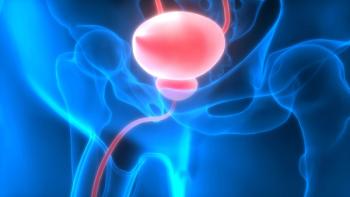
Data from the phase 1b ABC Trial showed that adding avelumab to BCG induction therapy may be safe and well tolerated in patients with BCG-unresponsive non–muscle invasive bladder cancer.
Adding bone-protecting agents to the treatment of men with asymptomatic or mildly symptomatic metastatic castration-resistant prostate cancer helped to reduce their risk for fracture.
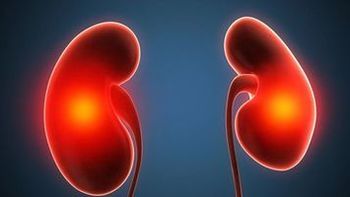
Tivozanib is approved by the FDA for the treatment of patients with relapsed or refractory advanced renal cell carcinoma who have received 2 or more prior systemic therapies.

Looking back at the November 2020 installment of Urology Times’ Around the Practice, a virtual, monthly live case event focused on genitourinary cancers, Raoul S. Concepcion, MD, FACS, offers an update on clinical implications from two prostate cancer cases.

This recommendation is key for urologists to be aware of, in particular, because of the role of the multidisciplinary approach to renal cell carcinoma care, according to Eric Jonasch, MD.
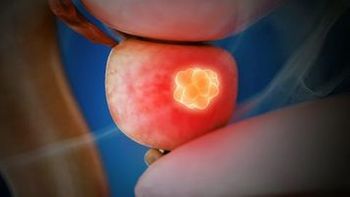
At the New York GU 14th Annual Interdisciplinary Prostate Cancer Congress® and Other Genitourinary Malignancies, Phillip J. Koo, MD, highlighted the potential of next-generation imaging to revolutionize the management of patients with prostate cancer.
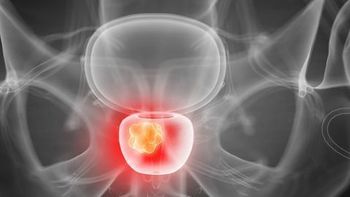
The novel PSMA-targeted radiopharmaceutical for PET identified M1 disease in the majority of patients examined who otherwise had locoregional disease, according to a subanalysis of the OSPREY trial.


The algorithm was applied to 50 patients who underwent radical prostatectomy between 2008 and 2018.

Ten-year data showed high overall survival and recurrence-free survival rates with Mohs surgery in patients with localized penile cancer.

The vast majority of patients reported being "pleased" with their medical encounter.

The agency approved the first PSMA-targeted PET imaging drug for men with prostate cancer.

“The combination of cabozantinib and atezolizumab demonstrated encouraging clinical activity in previously untreated patients with advanced ccRCC,” said investigator Sumanta Kumar Pal, MD.

Treatment with AMG 160 showed a manageable safety profile with preliminary efficacy in patients with metastatic castration-resistant prostate cancer.

The PARP inhibitor reduced the risk for death by 31% in men with metastatic castration-resistant prostate cancer, compared with enzalutamide or abiraterone plus prednisone.

The decline in total testosterone was observed even among men with normal body mass index.
The combination of the personalized cancer vaccine RO719845 and the PD-L1 inhibitor atezolizumab showed strong clinical activity across solid tumors, including bladder cancer and renal cell carcinoma.